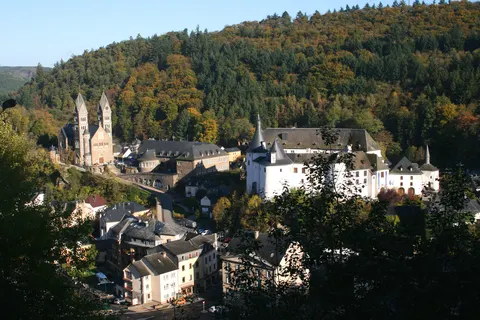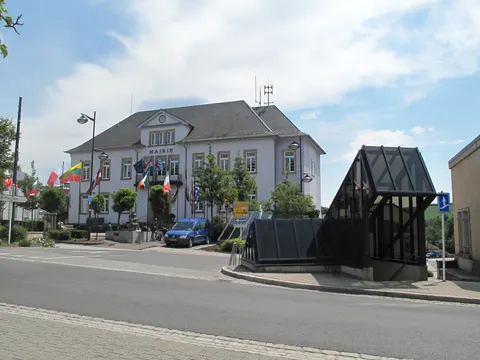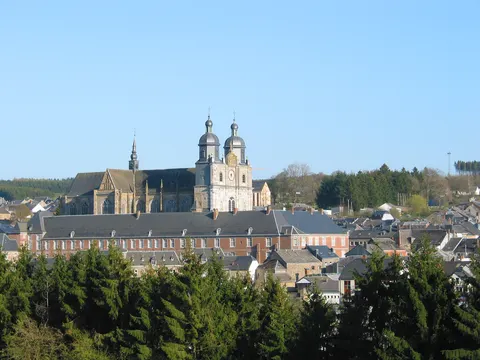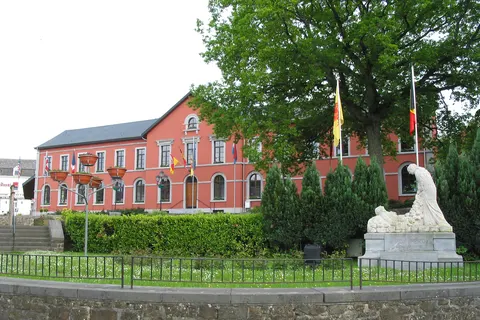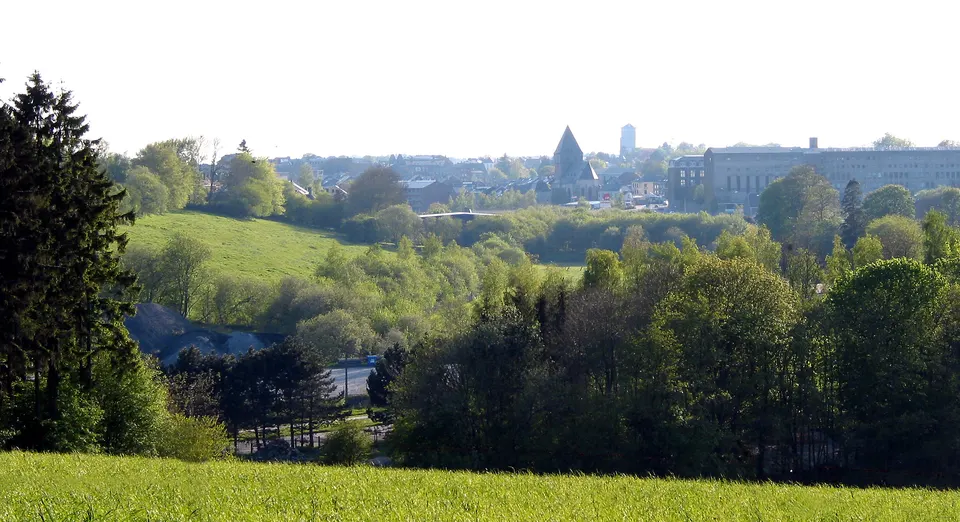

Bastogne is a city and municipality in the Belgian Ardennes, in the province of Luxembourg. It sits on a ridge at around 515 metres, about 12 km from the Luxembourg border. In the Middle Ages it was granted a charter and encircled by defensive walls, and its name is still written in Dutch, German and Luxembourgish as well as French.
About 14,000 people live in Bastogne, in Wallonia, Belgium.
Why go to Bastogne?
Bastogne is best known for the siege during the Battle of the Bulge in the Second World War, when American forces held the town. General McAuliffe answered the German demand for surrender with his famous reply, and the basement office where he did so is preserved in the barracks museum. Medieval fabric survives as well, including the Porte de Trèves and the Romanesque tower of St Pierre church. Monuments to McAuliffe and General Patton stand around the town.
When is the best time to visit Bastogne?
Expect daytime highs of about 20 °C in July and August, falling to 3 °C in January and December.
How do I get to Bastogne without flying?
Only one direct bus link serves Bastogne. With changes, Bastogne is within 14 hours of 1,902 destinations without flying. From Clervaux, it takes 41 min by bus with Régime Général des Transports Routiers, with about 0.6 kg of CO₂ per person.
What to do in Bastogne
Mardasson Memorial
Erected near Bastogne in the 1950s to honour American soldiers wounded or killed in the Battle of the Bulge.
Bastogne Barracks Museum
Free to visit and run by the Belgian Army, it occupies the barracks that served as the 101st Airborne's headquarters, with restored tanks and an underground tour.
Porte de Trèves
Part of the defensive walls built in the 14th century by John the Blind, the gate can still be seen today.
101st Airborne Museum
Its dioramas show the experiences of soldiers and civilians during the siege of the city in the Second World War.