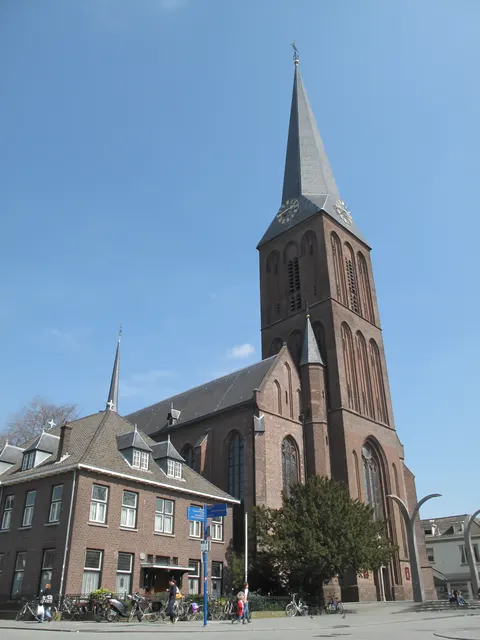
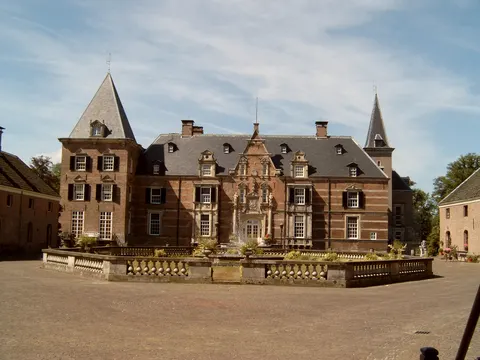
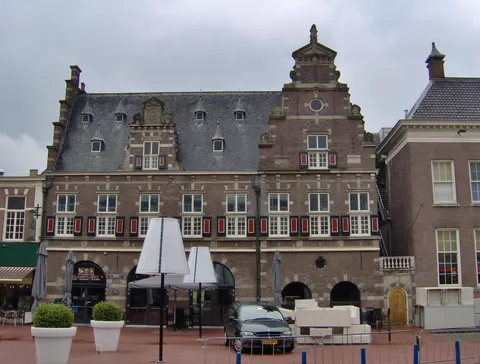
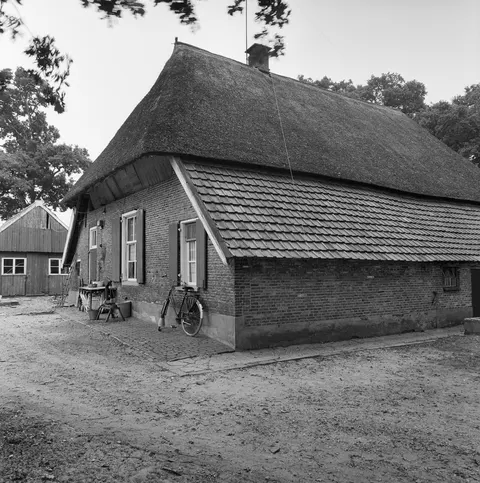
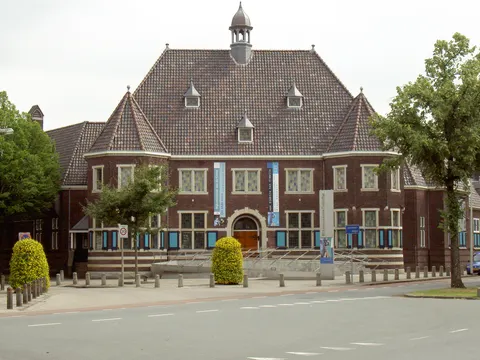
Borne is a municipality and town in the eastern Netherlands, in the region of Twente. Its inhabitants have the nickname Melbuul, which means flour bag in the local dialect. The area was settled in the Iron Age and Roman period, and the town's first recorded mention dates from 1206 under the name Borghende. Until the industrial age it was an agricultural community, with rye, buckwheat and cattle farming.
Borne is in Overijssel, Netherlands, and has a population of about 24,000; it is also a rail hub.
Why go to Borne?
Borne has older farming ground than its town centre suggests. The Meijershof, around which the earliest phases of the settlement developed, came into the possession of the abbot of Ruinen in 1142. Earthen defensive banks called landweren, overgrown with blackthorn and blackberries, are still visible across the countryside. Archaeological finds at the Stroom Esch and Zuid Esch show substantial settlement from the late Iron Age and Roman period, and finds from around 800 suggest that people lived here in the ninth century.
When is the best time to visit Borne?
July and August are the warmest, with highs of about 22 °C, and January and December are the coolest, at about 5 °C.
How do I get to Borne without flying?
From 2 destinations you can travel to Borne directly by train. Counting connections, 2,163 destinations can reach it within 14 hours without flying. Travelling from Hengelo, allow 5 min by train with Blauwnet Keolis; that is about 0.1 kg of CO₂ per person. From Almelo, it takes 5 min by train with Blauwnet Keolis, with about 0.1 kg of CO₂ per person.
What to do in Borne
Salt museum
A museum in Borne.
Travel on from Borne
Direct links run to Hengelo and Almelo.
Compare the trip with flying
The trip planner compares train, bus and ferry options to Borne with a flight, including CO₂.