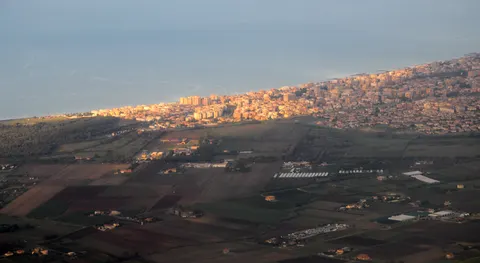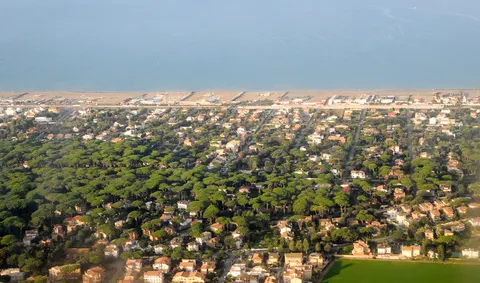

Cerveteri lies north-northwest of Rome, on the site of Caere, the Latin name for one of the largest Etruscan city-states. The ancient town stood on a rocky hill about seven kilometres from the sea and had several ports, including Pyrgi. Today the area is best known for its Etruscan necropolis and its archaeological treasures. The town's name also appears in Etruscan, Greek and Phoenician forms, Cisra and Agylla among them.
With about 16,000 inhabitants, Cerveteri lies in Lazio, Italy.
Why go to Cerveteri?
Cerveteri is an archaeology destination with a long story behind it. Caere reached its height around 600 BC, rivalling Tarquinia in power, and it built its own treasury at Delphi. Its early wealth came from the iron mines of the nearby Tolfa hills and from trade with Greek colonies. Its burial grounds hold graves from the Orientalizing period, with eastern imports and rich gold, and the Regolini-Galassi tomb is especially notable for its gold offerings. At Pyrgi, the old port, a monumental sanctuary handled overseas trade. The theatre is the main surviving building of the ancient city.
When is the best time to visit Cerveteri?
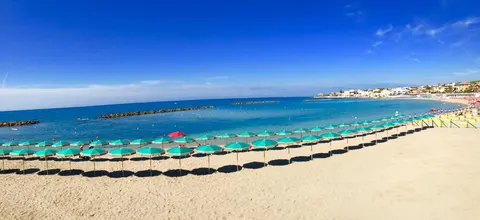
Average highs range from 12 °C in January and February to 27 °C in July and August. June, July and August are the time for beach holidays. For city breaks, any month of the year works.
How do I get to Cerveteri without flying?
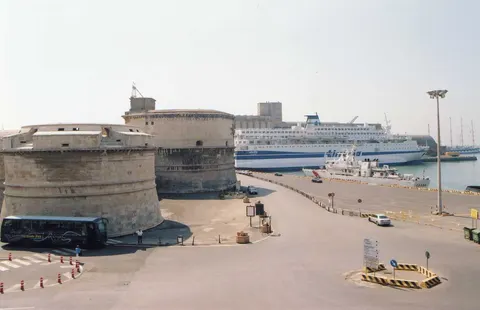
Only one direct bus link serves Cerveteri. Allowing for changes, 1,211 destinations are no more than 14 hours away without flying. Civitavecchia is 48 min away by bus with Cotral, with about 0.7 kg of CO₂ per person.
What to do in Cerveteri
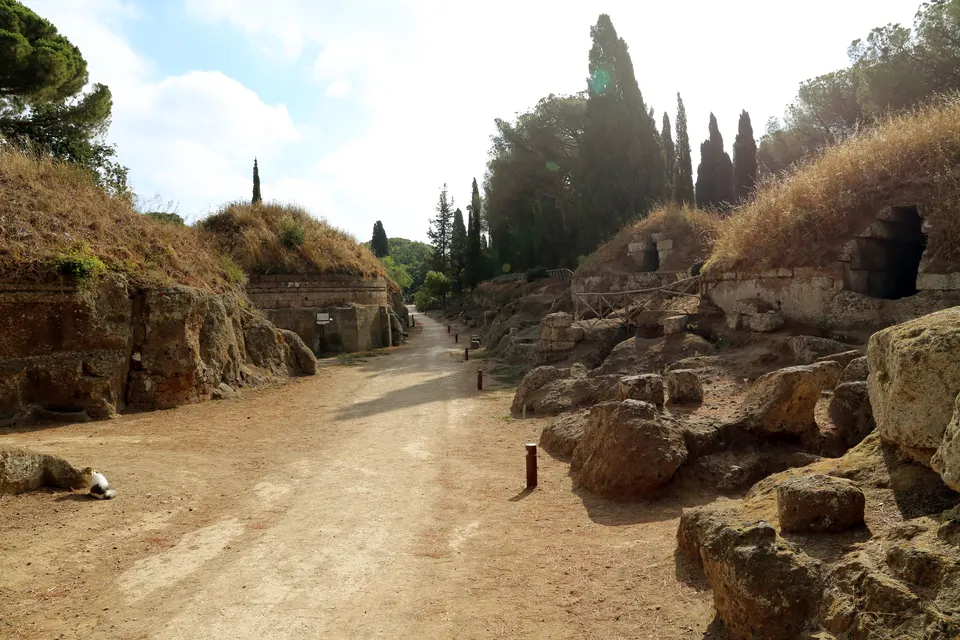
Etruscan necropolis
The burial grounds around Cerveteri, where graves from the Orientalizing period hold eastern imports and gold.
Regolini-Galassi tomb
A tomb notable for its fine gold offerings, from the city's period of early prosperity.
Pyrgi sanctuary
The monumental sanctuary at Pyrgi, the port of Caere, which was important for overseas trade.
Ancient theatre
The main surviving building of the ancient city, where many inscriptions and statues of emperors were found.