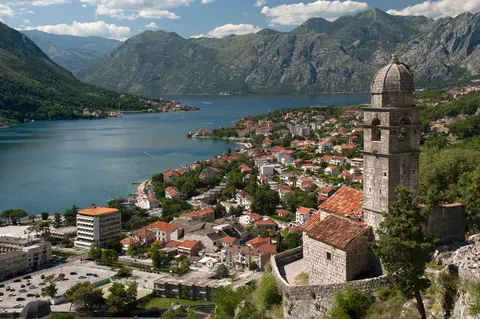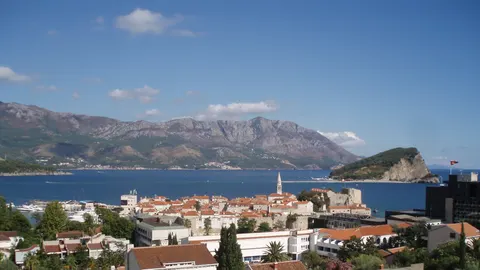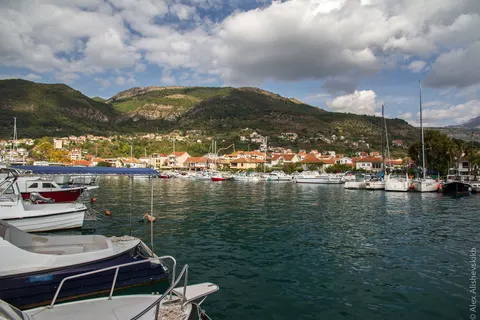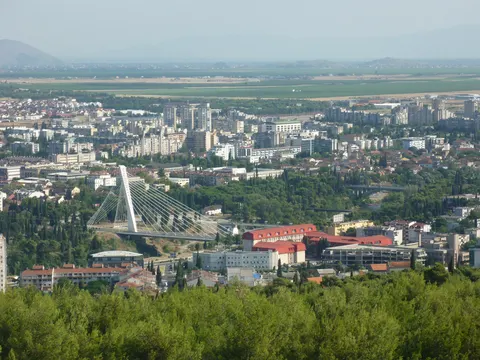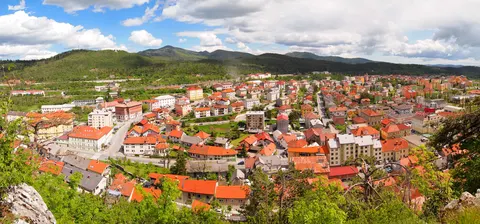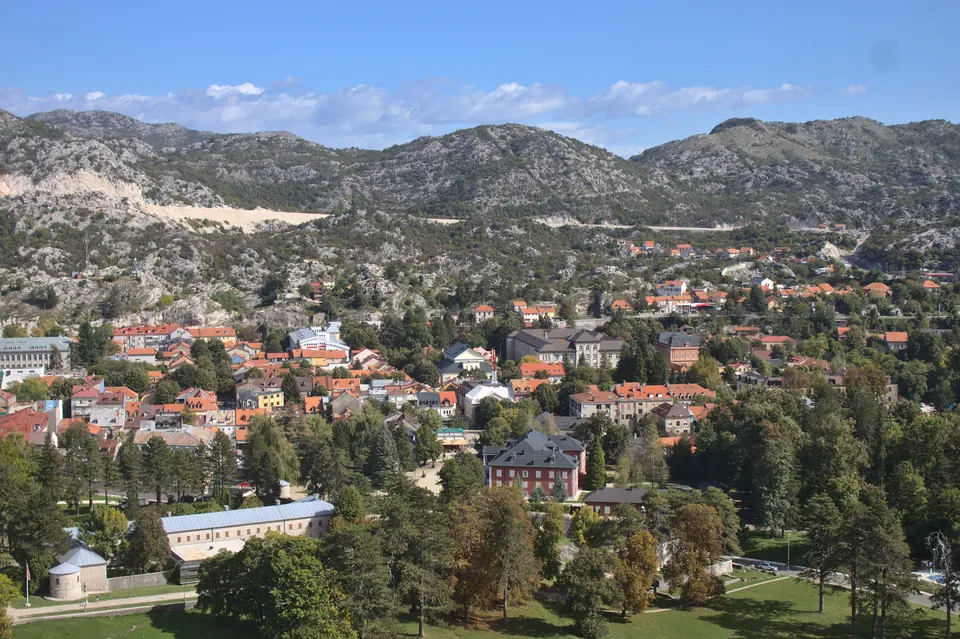

Cetinje is a town in Montenegro and the former royal capital of the country. It still holds the honorary title of capital and hosts several national institutions, including the official residence of the president of Montenegro. The town was founded in the 15th century and sits on a small karst plain ringed by limestone mountains, including Mount Lovćen.
Cetinje is in Montenegro and has a population of about 15,000.
Why go to Cetinje?
Cetinje has been the cultural and educational centre of Montenegro for five centuries. Its museums are gathered under the National Museum of Montenegro, and the Cetinje Biennial, an international art exhibition, is held every second year. The mausoleum of Petar II Petrović-Njegoš on Lovćen stands at 1,660 metres and is officially the highest mausoleum in the world. The Lipa Cave, one of the largest caves in the former Yugoslavia, was opened to the public in 2015.
When is the best time to visit Cetinje?
July and August are the warmest, with highs of about 24 °C, and January and February are the coolest, at about 6 °C. For nature and hiking trips, go in May, June and September. Any month suits city breaks.
How do I get to Cetinje without flying?
From 4 destinations you can travel to Cetinje directly by bus. Counting connections, 253 destinations can reach it within 14 hours without flying. Travelling from Bar, allow 48 min by bus; that is about 1 kg of CO₂ per person. From Budva, it takes 42 min by bus, with about 0.4 kg of CO₂ per person. The bus from Herceg Novi takes 1h 30m; that is about 0.9 kg of CO₂ per person.
What to do in Cetinje
National Museum of Montenegro
A museum in Cetinje.
Nature and hiking trips in Cetinje
September is the ideal month for nature and hiking trips, with average highs of 20 °C.
City breaks in Cetinje
May is the ideal month for city breaks, with average highs of 17 °C.