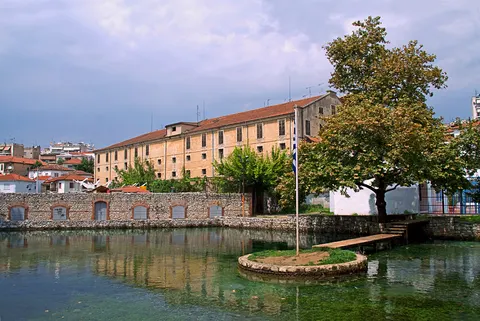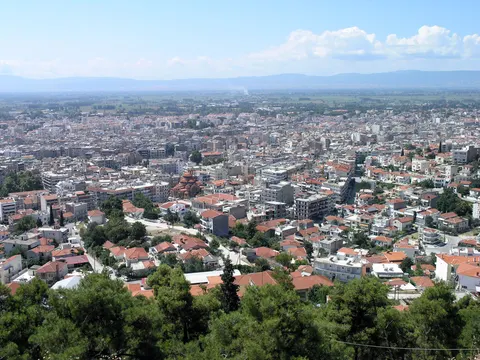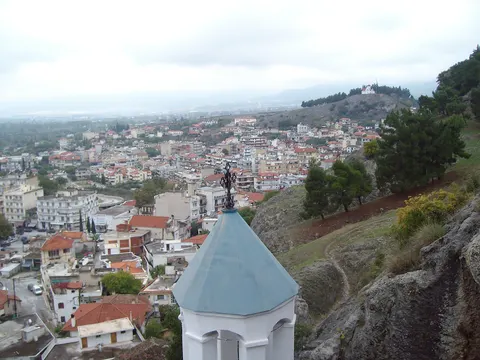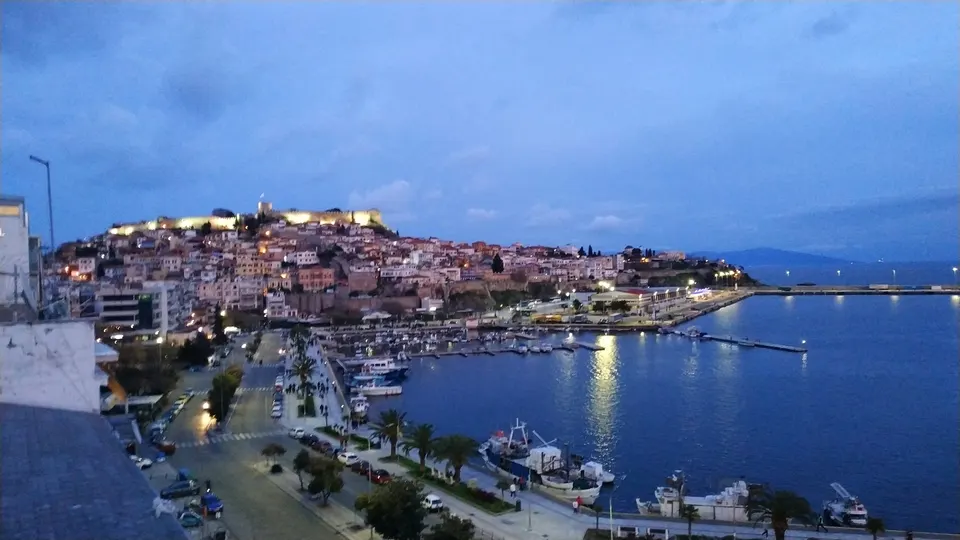

Kavala is a port city in northern Greece, the principal seaport of eastern Macedonia and the capital of the Kavala regional unit. It sits on a bay facing the island of Thasos, on the A2 motorway. Commerce, tourism and fishing have made it an economic centre of northern Greece, and it once had a thriving tobacco trade.
Kavála, in East Macedonia and Thrace, Greece, is home to about 54,000 people.
Why go to Kavála?
The old town of Panagia climbs the peninsula in a tangle of cobbled alleys and colourful local architecture. On its highest point, the Byzantine citadel of Kavala Fortress looks out over the Aegean Sea and the city. The Kamares, a 16th-century Ottoman aqueduct, divides the old and new parts of the city. The birthplace of Mehmet Ali Pasha, founder of modern Egypt, survives as a well-preserved 18th-century Ottoman mansion. A short drive north, the UNESCO site of Philippi holds an ancient theatre, a Roman forum and early Christian basilicas.
When is the best time to visit Kavála?
In July and August the average high reaches 28 °C; in January it is closer to 9 °C. Beach holidays work best in June, July and August. Any month suits city breaks.
How do I get to Kavála without flying?
Kavála has direct bus or ferry links to 7 destinations. Within 14 hours, travellers from 185 destinations can get here without flying. The bus from Sérres takes 1h 48m; that is about 2 kg of CO₂ per person. Komotiní is 1h 30m away by bus, with about 2.3 kg of CO₂ per person. Travelling from Xánthi, allow 1h 18m by bus; that is about 1.2 kg of CO₂ per person.
What to do in Kavála
Panagia old town
A neighbourhood of colourful houses and winding cobblestone alleys climbing the peninsula above the harbour.
Kavala Fortress
A Byzantine citadel at the highest point of Panagia, with 360-degree views of the Aegean Sea and the city below.
Kamares aqueduct
A massive Ottoman aqueduct from the sixteenth century that divides the old and new parts of Kavala.
Mehmet Ali Pasha House Museum
The birthplace of the founder of modern Egypt, set in a well-preserved eighteenth-century Ottoman mansion.