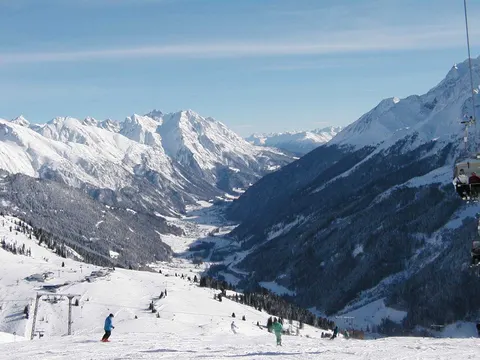
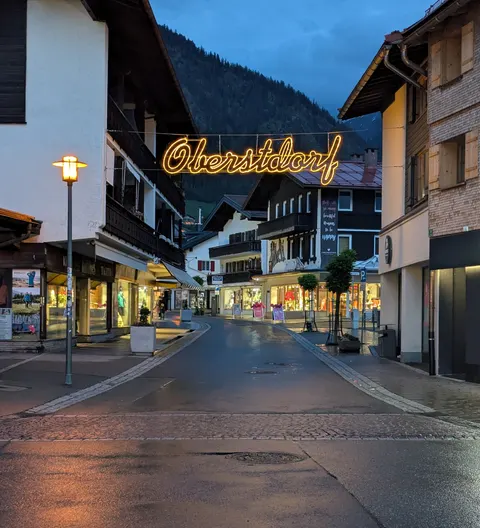
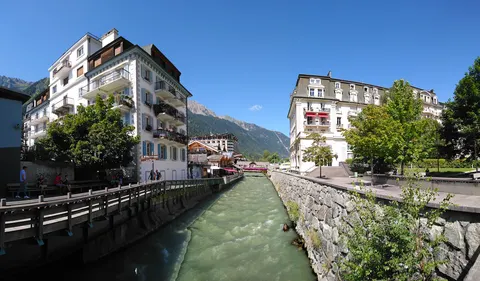
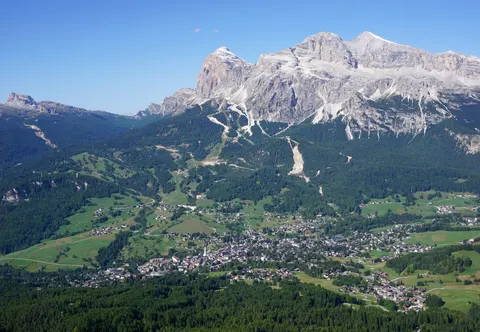
Lech am Arlberg is a mountain village in the westernmost Austrian state of Vorarlberg, on the banks of the river Lech. It is administered together with Zürs, Zug, Oberlech and Stubenbach, and in tourism it belongs to the Arlberg region. Walser migrants from Switzerland settled it in the 13th century, and its church of St Nicholas is thought to be medieval.
Lech is in Vorarlberg, Austria, and has a population of about 1,568.
Why go to Lech?
Lech is a ski village first, and its character follows from that. The Arlberg slopes surround it, and it is one of the elite Best of the Alps resorts, drawing a wealthy, international clientele. Until the Arlberg Railway brought the first tourists, farmers here lived from dairying and cattle rearing. The Flexen road, blasted through rock, links Lech with Zürs and Stuben. Oberlech, one of the villages in the municipality, has been a traffic-free zone since 1997 and is a focus of nature conservation. Winter is still the main draw, but summer visitors come too, and the resort caps its beds at around 10,000 to protect the quality of tourism and nature.
When is the best time to visit Lech?
July is the warmest, with highs of about 17 °C, and January is the coolest, at about -3 °C. January, February and December are the time for skiing. For nature and hiking trips, go in June, July and August.
How do I get to Lech without flying?
From 5 destinations you can travel to Lech directly by bus. Counting connections, 2,364 destinations can reach it within 14 hours without flying. Travelling from Galtür, allow 2h 42m by bus; that is about 0.7 kg of CO₂ per person. From Kappl, it takes 1h 30m by bus, with about 0.7 kg of CO₂ per person. The bus from Riezlern takes 1h 00m; that is about 0.5 kg of CO₂ per person.
What to do in Lech
Church of St Nicholas
The parish church, thought to be medieval, once served the Tannberg district.
Oberlech
A traffic-free hamlet in the municipality, a focus of nature conservation since 1997.