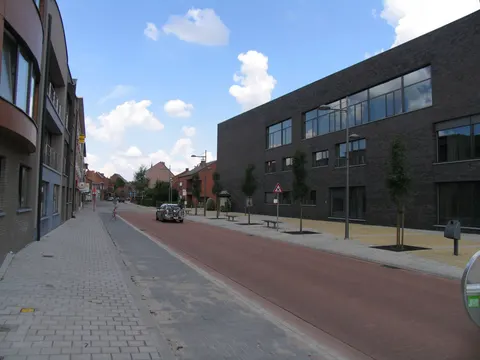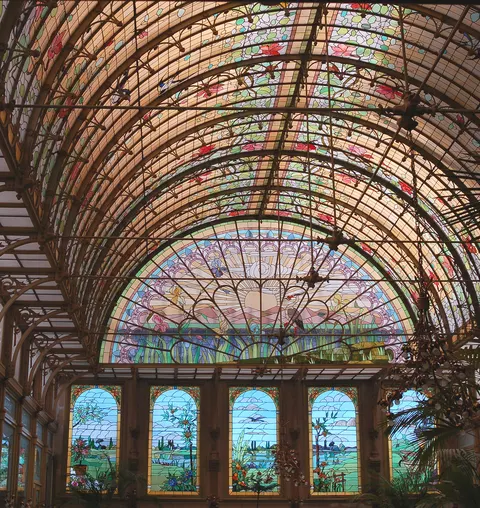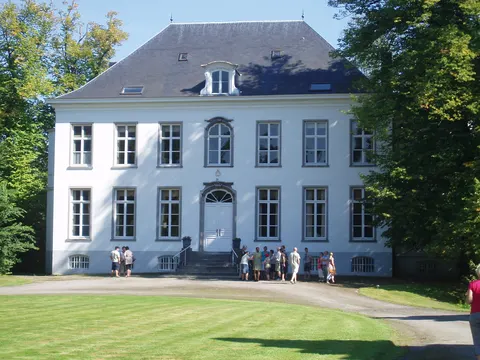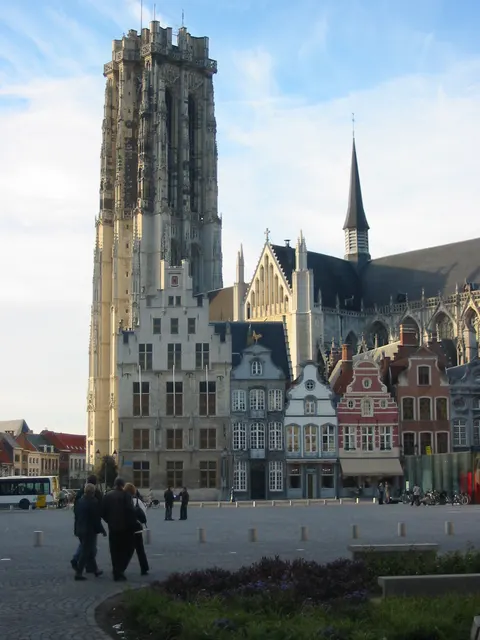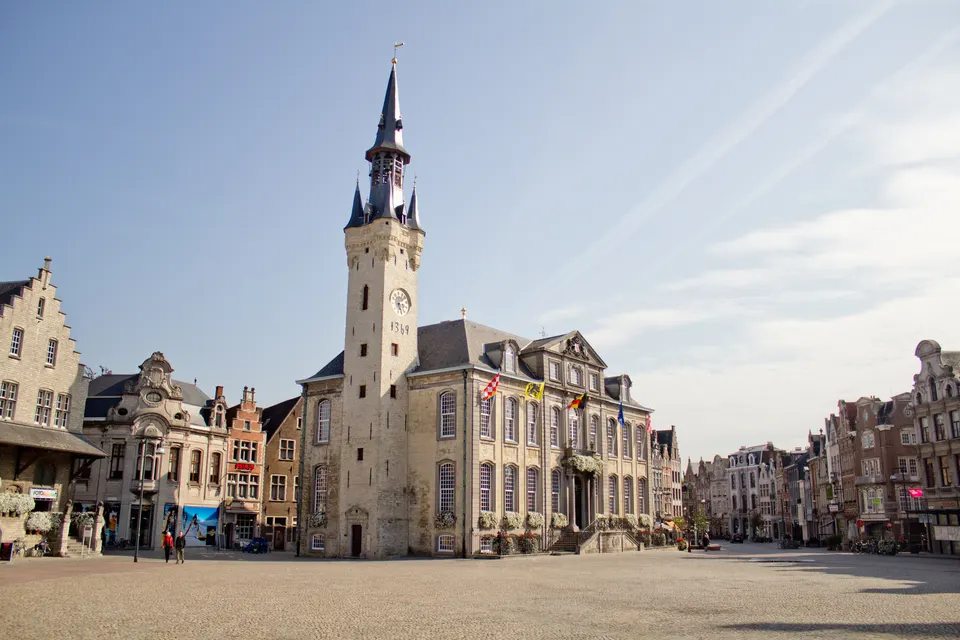

Lier is a municipality in the Belgian province of Antwerp, in Flanders. Its city centre is surrounded by the river Nete, around which the town grew, and the municipality also includes the village of Koningshooikt. Lier is known for its beers, for its patron saint Saint Gummarus and for the local Lierse vlaaikes cake. In 2018 the municipality had a total population of 35,712.
Lier is in Flanders, Belgium, and has a population of about 33,000; it is also a rail hub.
Why go to Lier?
Lier is worth a visit for its beguinage, which is part of the Flemish Béguinages on the UNESCO World Heritage List, and for the stories tied to its streets. The last surviving beguine there died in 1994, which makes the site feel recent rather than distant. On the market square a headstone marks the spot where the town's last witchcraft-related execution is traditionally believed to have taken place. A herd of bronze sheep near the Zimmer tower recalls a long-ago choice of a livestock market over a university.
When is the best time to visit Lier?
July and August are the warmest, with highs of about 22 °C, and January and December are the coolest, at about 6 °C. Any month suits city breaks.
How do I get to Lier without flying?
From 6 destinations you can travel to Lier directly by train. Counting connections, 2,136 destinations can reach it within 14 hours without flying. Travelling from Antwerp, allow 15 min by train with NMBS/SNCB; that is about 0.2 kg of CO₂ per person. From Mechelen, it takes 14 min by train with NMBS/SNCB, with about 0.1 kg of CO₂ per person. The train from Geel with NMBS/SNCB takes 26 min; that is about 0.3 kg of CO₂ per person.
What to do in Lier
Lier beguinage
A beguinage founded in the 13th century and inscribed on the UNESCO World Heritage List as part of the Flemish Béguinages.
Zimmer tower
A tower near which a herd of bronze sheep stands, a reminder of the city's choice of a livestock market over a university.
Market square
A headstone on the market square marks the spot where the town's last witchcraft-related execution is traditionally believed to have taken place.