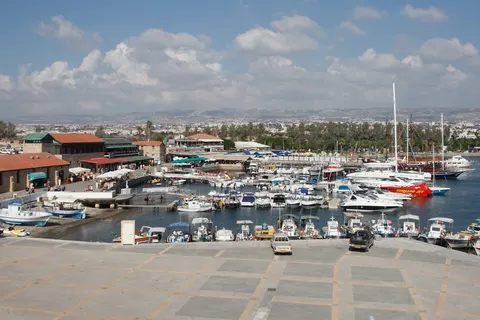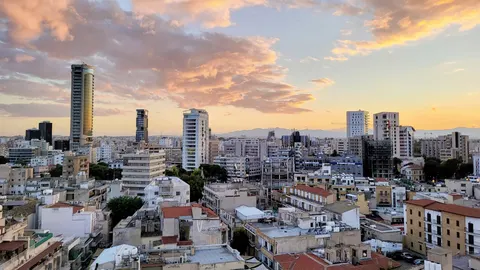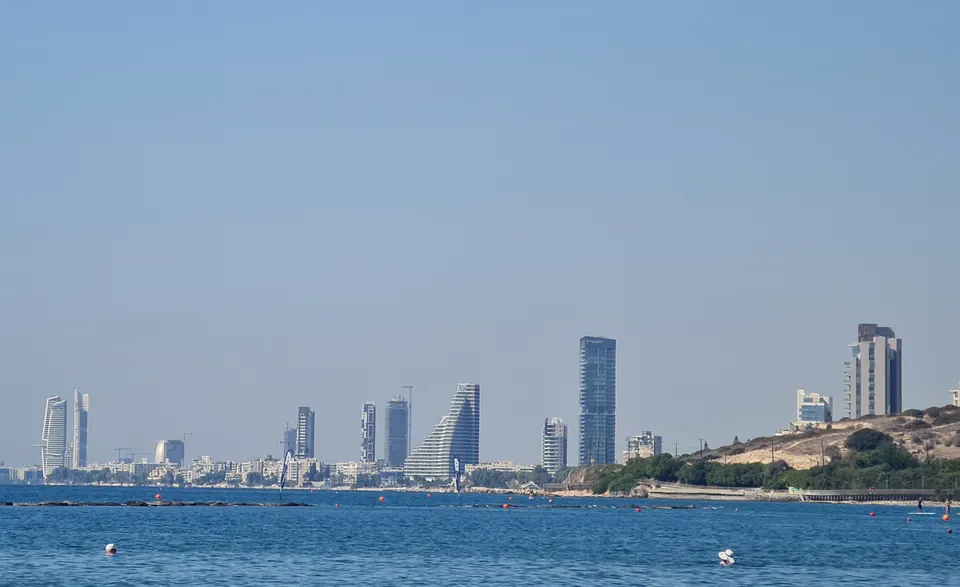

Limassol, also known as Lemesos, is a city on the southern coast of Cyprus and the capital of the Limassol District. It is the second-largest urban area on the island, after Nicosia. Its historic centre surrounds the medieval castle and the Old Port, and the city spreads along the Mediterranean coast towards the ancient site of Amathus.
Limassol is in Cyprus and has a population of about 154,000; it is also a rail hub.
Why go to Limassol?
Limassol's castle is one of the ten castles of Cyprus, built by the Byzantines, and tradition holds that Richard the Lionheart married Princess Berengaria here in 1191. The castle now houses a medieval museum. Kolossi Castle, a fortress built by the Knights Hospitaller, played a part in sugar production and in the Commandaria wine. The Folk Art Museum, in a preserved historic house, holds Cypriot folk art, and the Archaeological Museum displays antiquities from Kourion and Amathus.
When is the best time to visit Limassol?
July and August are the warmest, with highs of about 31 °C, and January and February are the coolest, at about 15 °C. For beach holidays, go in May, June and October. Any month suits city breaks.
How do I get to Limassol without flying?
From 11 destinations you can travel to Limassol directly by bus. Counting connections, 16 destinations can reach it within 14 hours without flying. Travelling from Nicosia, allow 1h 21m by bus with INTERCITY; that is about 1.7 kg of CO₂ per person. From Paphos, it takes 53 min by bus with INTERCITY, with about 1.5 kg of CO₂ per person. The bus from Larnaca with INTERCITY takes 1h 06m; that is about 1.6 kg of CO₂ per person.
What to do in Limassol
Limassol Castle
A Byzantine castle that now functions as a medieval museum. Its collection includes armour, cannons, tombstones, coins and pottery.
Kolossi Castle
A medieval fortress built by the Knights Hospitaller, with a well-preserved three-storey keep. Its history is tied to the production of sugar and the Commandaria wine.
Folk Art Museum
The museum is housed in a preserved historic house and shows Cypriot national costumes, embroidery and wooden chests. It was awarded the Europa Nostra prize.
Archaeological Museum
A collection of antiquities from the district, from Neolithic stone axes to Roman terracottas. It holds finds from the ancient cities of Kourion and Amathus.