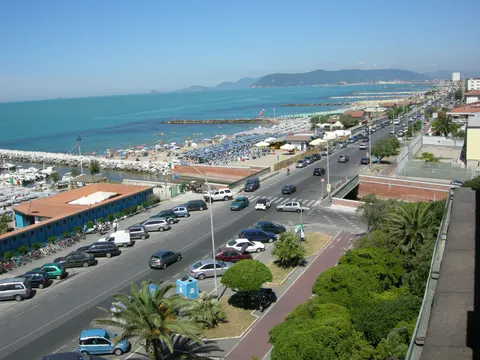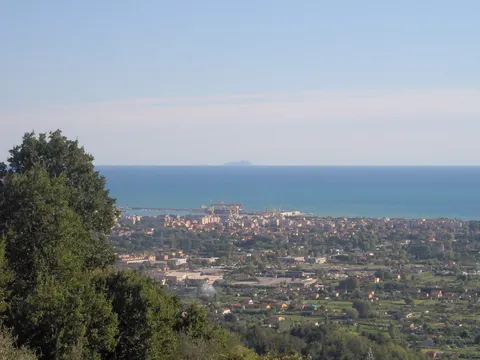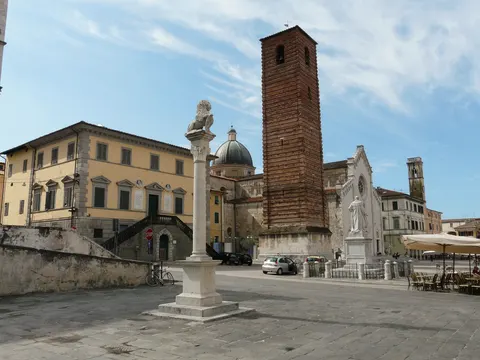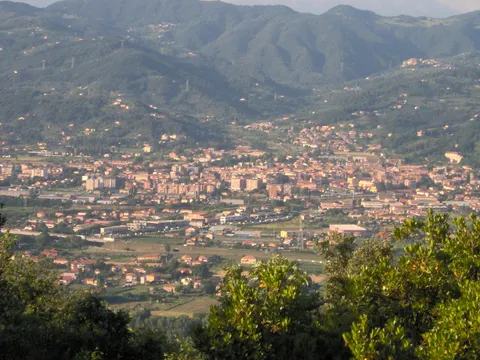

Massa is a town and comune in Tuscany, central Italy, and the administrative centre of the province of Massa and Carrara. It lies in the Frigido river valley, near the Alpi Apuane, about 5 km from the Tyrrhenian Sea. From the 15th century onward it was the capital of the independent principality, later duchy, of Massa and Carrara, ruled by the Malaspina and Cybo-Malaspina families.
About 65,000 people live in Massa, in Tuscany, Italy, and its station is a rail hub.
Why go to Massa?
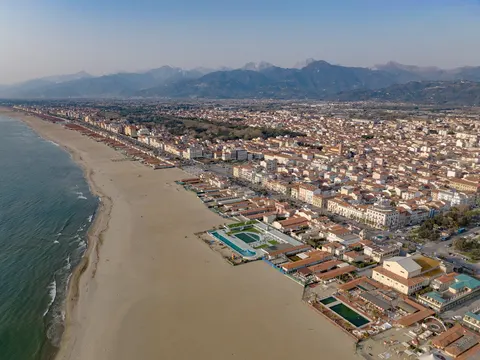
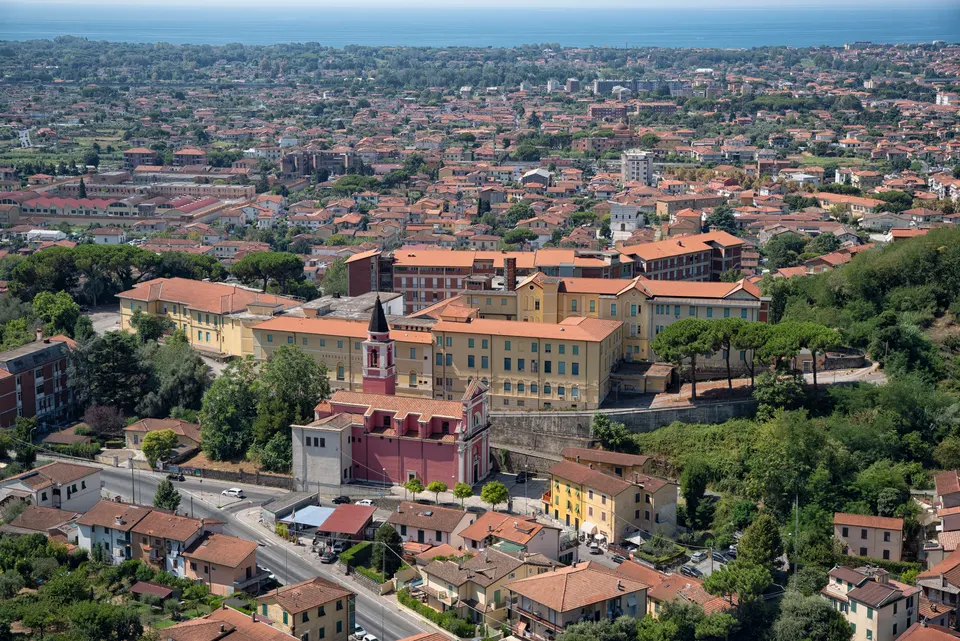
Massa's history is that of a princely capital. From the 15th century onward it was the seat of the Malaspina and Cybo-Malaspina rulers, and the Ducal Palace on the Piazza Aranci is a Renaissance building from that era. The Malaspina castle overlooks the city from a hill. Massa is also the first recorded town in Europe where the magnetic compass was used in mines to map them and to settle the extent of the owners' properties. The coast lies a short distance away, and the city maintains a mountain botanical garden, the Orto Botanico delle Alpi Apuane.
When is the best time to visit Massa?
Expect daytime highs of about 25 °C in July and August, falling to 10 °C in January and February. If you are after beach holidays, aim for June, July and August.
How do I get to Massa without flying?
You can get to Massa without changing from 3 destinations, by train. With changes, Massa is within 14 hours of 1,706 destinations without flying. From Viareggio, it takes 10 min by train with TRENITALIA S.p.A., with about 0.3 kg of CO₂ per person. Travelling from Marina di Carrara, allow 5 min by train with TRENITALIA S.p.A.; that is about 0.1 kg of CO₂ per person. Ripa-Pozzi-Querceta-Ponterosso is 5 min away by train with TRENITALIA S.p.A., with about 0.1 kg of CO₂ per person.
What to do in Massa
Malaspina castle
A castle on a hill above the city, dating from the 15th century.
Ducal Palace
A Renaissance palace on the Piazza Aranci, from the period of the Malaspina rulers.
Orto Botanico delle Alpi Apuane
A mountain botanical garden, named after Pietro Pellegrini and maintained by the city.
Diocesan Museum
The museum of the diocese in the town.