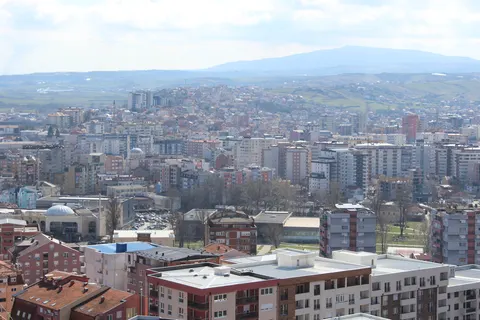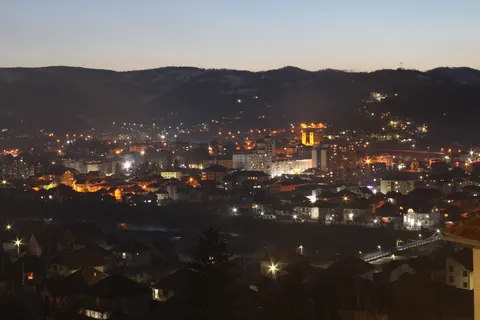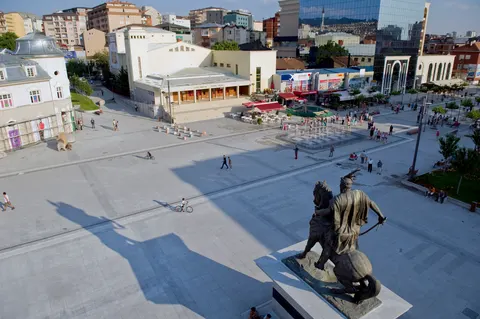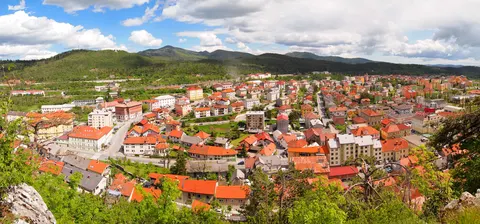

Peja, also known as Peć or Pejë, is the fifth most populous city in Kosovo and the seat of Peja Municipality. It lies in the Rugova region on the eastern side of the Accursed Mountains, on the Lumbardh river in the west of the country. The city's history is layered, with Byzantine, Serbian and Ottoman rule, and its Patriarchal monastery is a UNESCO World Heritage Site.
Pejë, in Pec, Kosovo, is home to about 49,000 people.
Why go to Pejë?
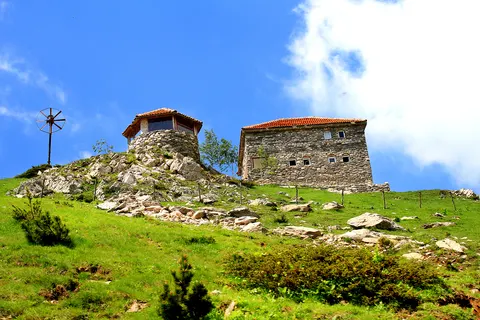
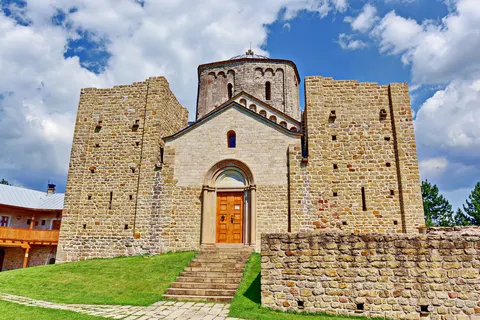
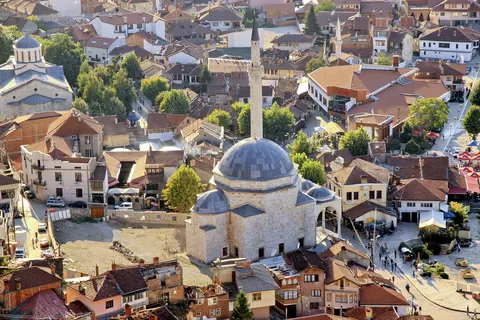
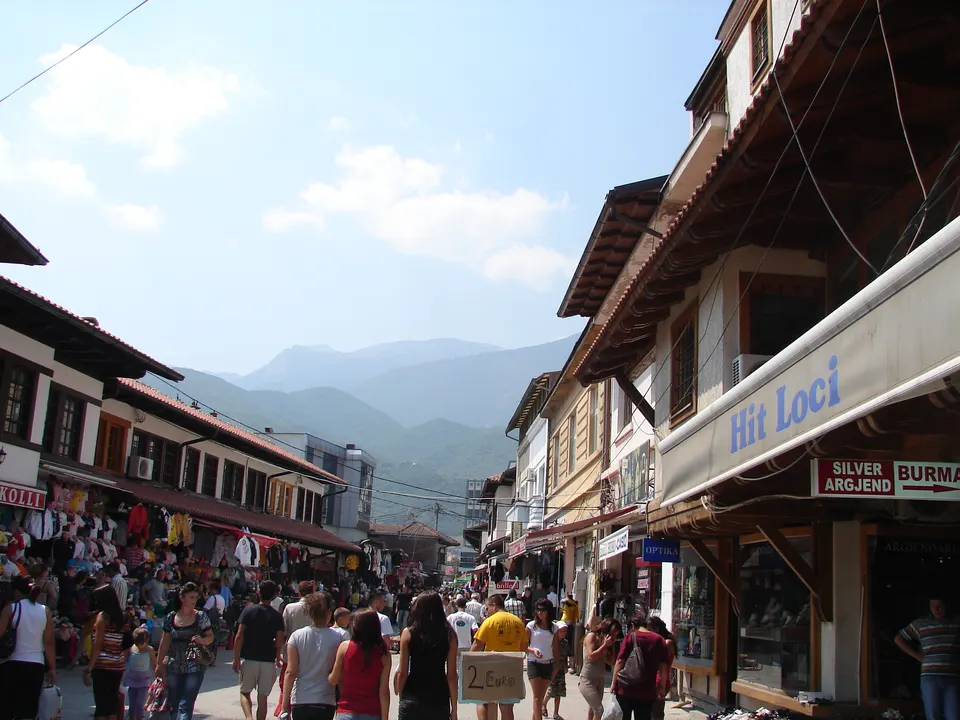
The Patriarchate of Peć, a medieval Serbian monastery and a UNESCO World Heritage Site, is the city's most important monument. The Bajrakli Mosque sits in the bazaar, and the Ottoman-era bath is a reminder of that period. Both the bazaar and the mosque were destroyed in World War II and rebuilt. Rugova Canyon, just west of the city, runs into the Accursed Mountains with marked trails and four via ferrata routes. Its Rugova Zip Line, 700 metres long, is the longest in Kosovo.
When is the best time to visit Pejë?
In July and August the average high reaches 27 °C; in January it is closer to 5 °C. Nature and hiking trips work best in May, September and October. Any month suits city breaks.
How do I get to Pejë without flying?
Pejë has direct bus links to 5 destinations. Within 14 hours, travellers from 325 destinations can get here without flying. The bus from Novi Pazar takes 1h 30m; that is about 1.5 kg of CO₂ per person. Mitrovicë is 1h 00m away by bus, with about 1.4 kg of CO₂ per person. Travelling from Gjakovë, allow 30 min by bus; that is about 0.9 kg of CO₂ per person.
What to do in Pejë
Patriarchate of Peć
A medieval Serbian style monastery from the 13th century, part of the Medieval Monuments in Kosovo.
Bajrakli Mosque
An Ottoman mosque in the bazaar, destroyed in World War II and rebuilt.
Rugova Canyon
A canyon just west of the city, reaching into the Accursed Mountains, with hiking and climbing routes.
Tahir Beg's Mansion
An 18th-century mansion that now houses the Ethnographic Museum of Peja.