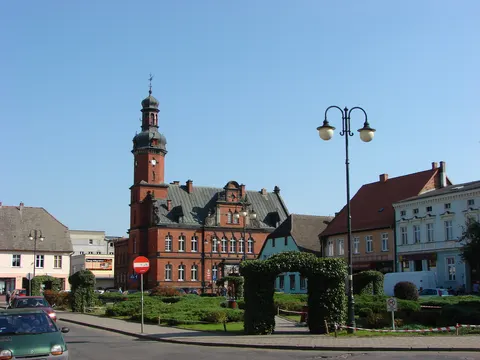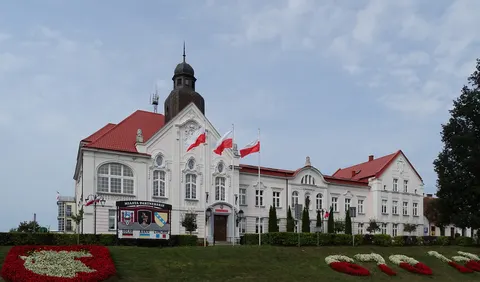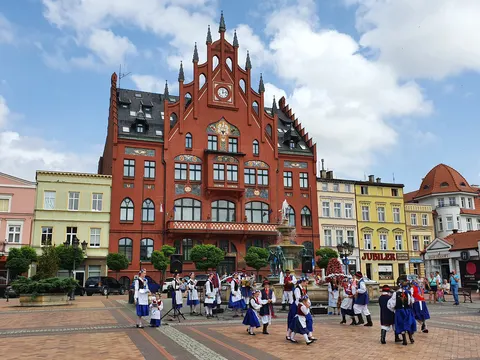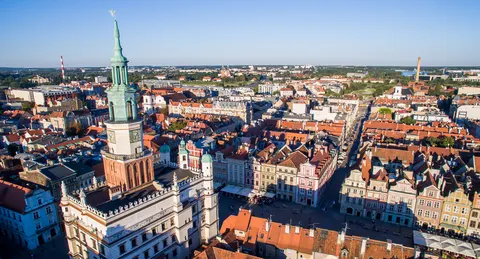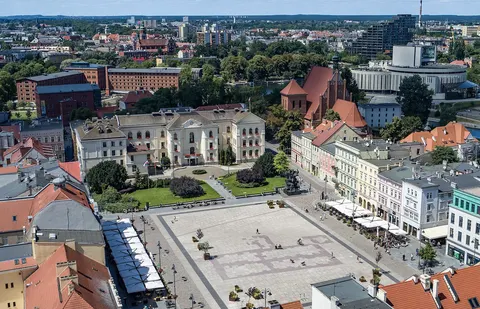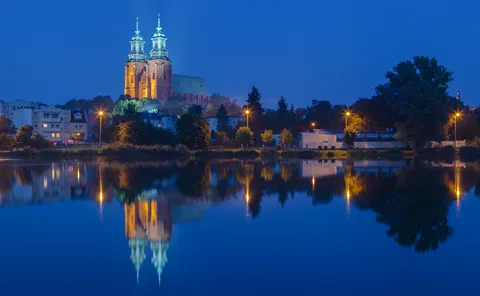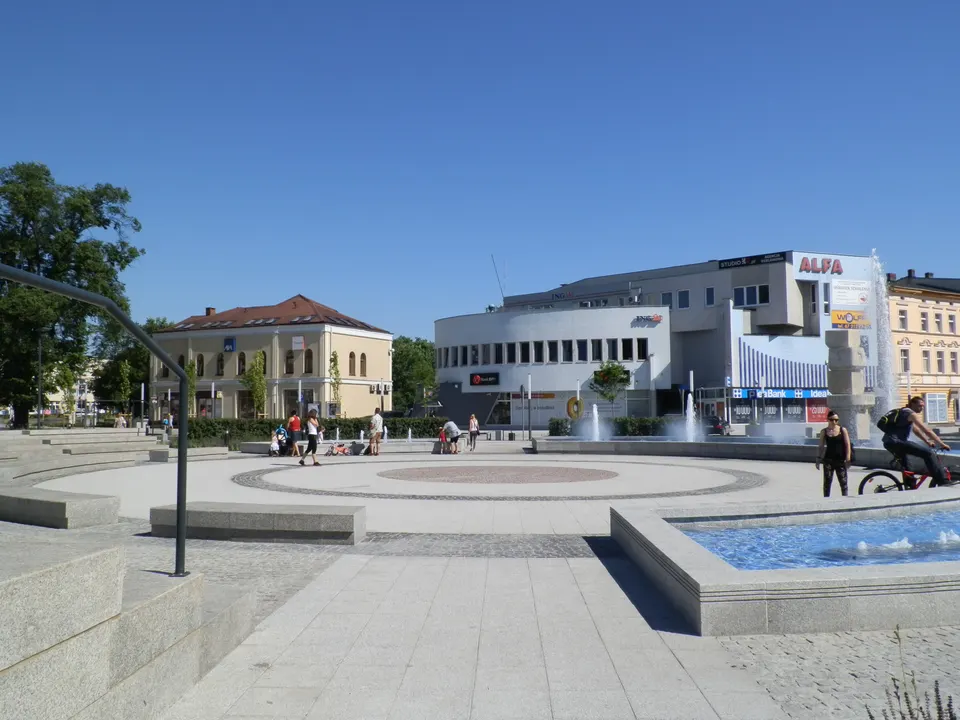

Piła is a city in northwestern Poland and the capital of Piła County in the Greater Poland Voivodeship. It has about 68,800 inhabitants and is the largest city in northern Greater Poland, and Poland's largest city without powiat rights. It was founded in the 14th century and grew from its crafts and trade, on the Gwda river.
Piła is in Greater Poland, Poland, and has a population of about 76,000; it is also a rail hub.
Why go to Piła?
Piła is set among green areas and dense forests, with parks such as Park na Wyspie on an island. It is an important road and railway junction where the Poznań–Szczecin and Bydgoszcz–Krzyż Wielkopolski lines meet. Its museum in the former house of Stanisław Staszic, the Neo-Gothic St. Stanislaus Kostka church and St. Anthony's Church, with a wooden figure of Jesus seven metres tall, are among its best-known buildings. A prisoner of war cemetery at Leszków holds more than 2,600 Allied soldiers from the First World War. The city is also known for motorcycle speedway racing.
When is the best time to visit Piła?
July is the warmest, with highs of about 23 °C, and January is the coolest, at about 1 °C.
How do I get to Piła without flying?
From 6 destinations you can travel to Piła directly by bus or train. Counting connections, 1,710 destinations can reach it within 14 hours without flying. Travelling from Bydgoszcz, allow 1h 05m by train with PKP Intercity; that is about 2.8 kg of CO₂ per person. From Poznan, it takes 1h 04m by train with PKP Intercity, with about 2.7 kg of CO₂ per person. The train from Stargard with PKP Intercity takes 2h 17m; that is about 3.7 kg of CO₂ per person.
What to do in Piła
Park na Wyspie
A large park on an island, with an open-air gym, playground, square and fountains.
St. Anthony's Church
A church with the biggest wooden figure of Jesus in Europe, seven metres tall.
Museum of Stanisław Staszic
A museum in the former house of Stanisław Staszic.
St. Stanislaus Kostka's church
A Neo-Gothic church in the town.
Prisoner of war cemetery in Leszków
The burial place of Allied prisoners of the First World War, from many nations.