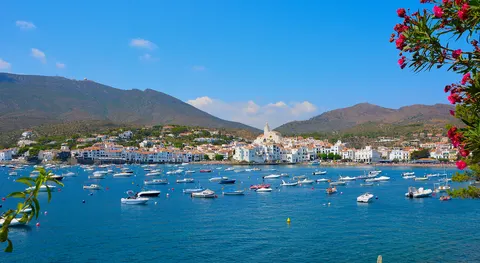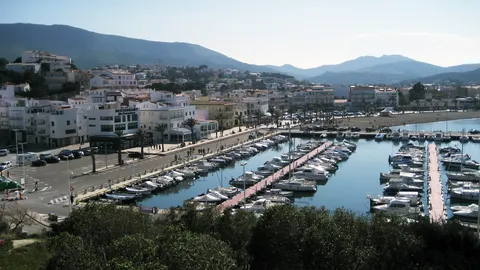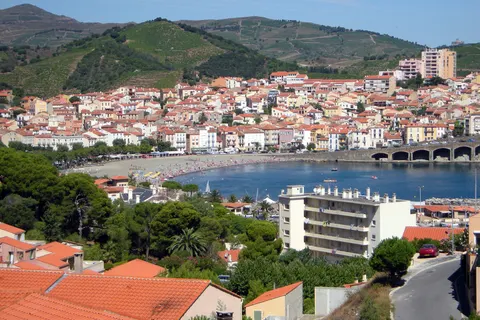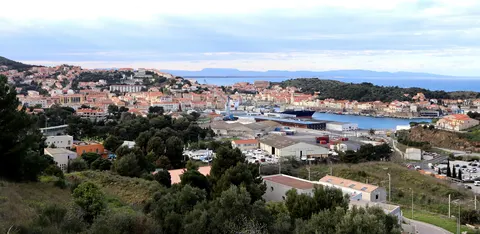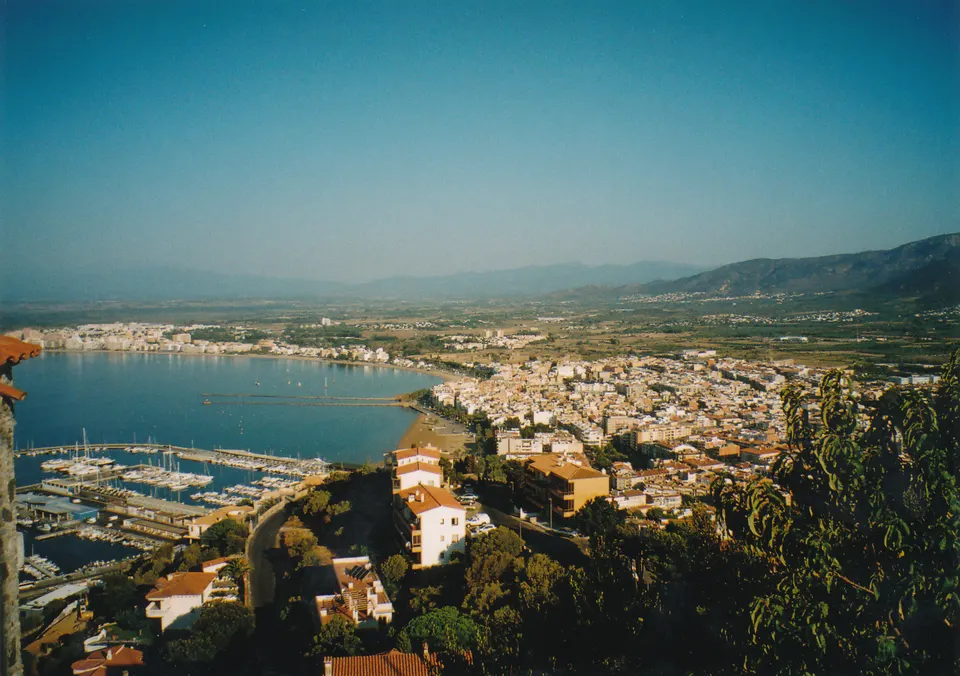

Roses sits on the Costa Brava in the Alt Empordà, on the rocky and indented coast of Catalonia. The municipality runs from its harbour town out to a string of beaches and coves, with hills rising behind the coast. The sea and the landscape around it set the tone of the place, and its castles and dolmens give the walks a historic side.
Roses, in Catalonia, Spain, is home to about 19,000 people.
Why go to Roses?
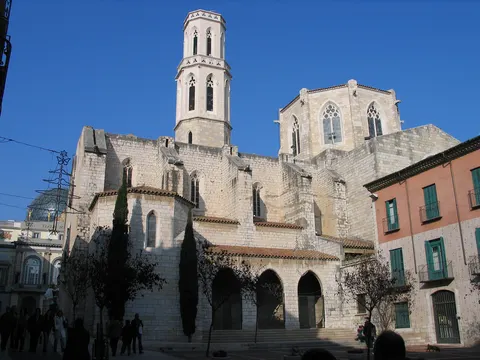
Roses fits a Sun & Beach trip on a coast of small coves and open sea. Cala Montjoi and Cala Murtra are two of the beaches that give the coast its character, and the water is the main draw of the town. The Santa Maria de Roses church marks the old town, while the Castell de la Trinitat and the Castell de Bufalaranya add castles to the walk. The dolmens of the area, including the Dolmen de la Creu d'en Cobertella and the Dolmen del Cap de l'Home, show a much older chapter in the same landscape. Puig Rom rises behind the coast as the mountain of the municipality, and Llançà and Portvendres lie along the same shore, so the trip can take in more than one town.
When is the best time to visit Roses?
In August the average high reaches 26 °C; in January, February and December it is closer to 12 °C. Beach holidays work best in July, August and September.
How do I get to Roses without flying?
Roses has direct bus links to 3 destinations. Within 14 hours, travellers from 1,588 destinations can get here without flying. The bus from Cadaqués with Sarfa takes 36 min; that is about 0.2 kg of CO₂ per person. Portvendres is 1h 00m away by bus, with about 0.8 kg of CO₂ per person. Travelling from Llançà, allow 24 min by bus; that is about 0.3 kg of CO₂ per person.
What to do in Roses
Cala Montjoi and Cala Murtra
Cala Montjoi and Cala Murtra are two of the coves on the Costa Brava that give Roses its beach character. Both sit among the rocks, and the water is the reason to come down to them.
Castell de la Trinitat
The Castell de la Trinitat is one of the castles of the municipality, and it gives the walk a fortified side above the coast. Its walls are a clear reference point from the bay.
Dolmen de la Creu d'en Cobertella
The Dolmen de la Creu d'en Cobertella is a prehistoric monument in the countryside, set in a landscape of hills and fields. Its stones offer a counterpoint to the beaches of the coast.
Puig Rom
Puig Rom is the mountain of the area, and its slopes rise behind the coast. From the top the bay and the Costa Brava come into view.