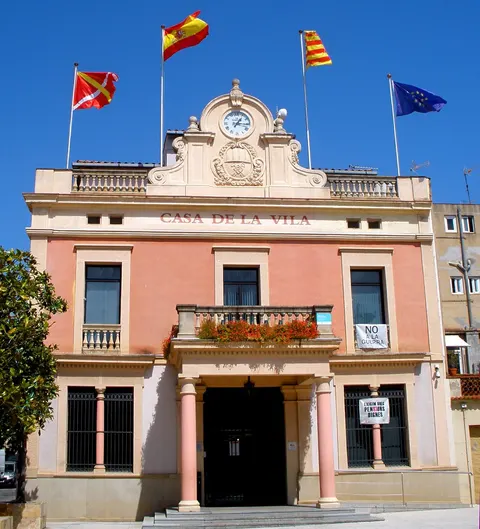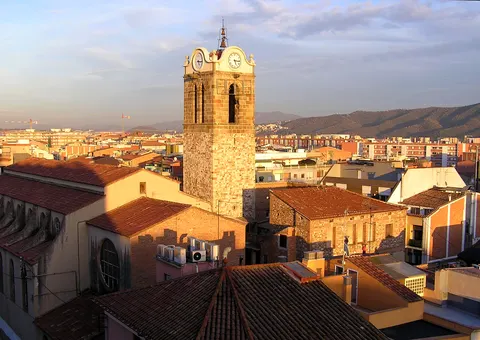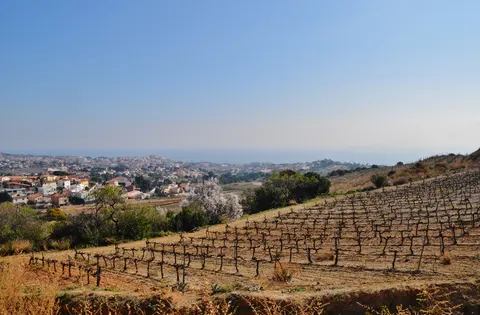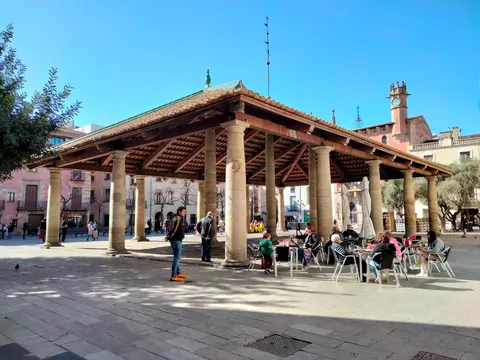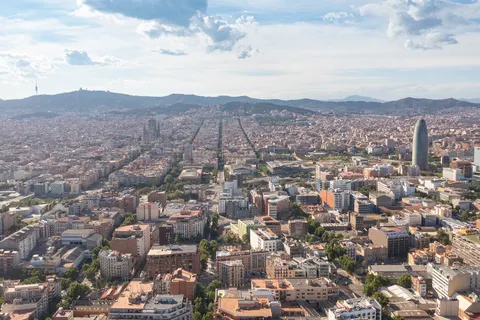

Sabadell is a city in Catalonia, in the south of the Vallès Occidental comarca, about 20 km north of Barcelona. It sits on the River Ripoll at around 190 metres above sea level and is the fifth-largest city in Catalonia. The city earned the nickname the Catalan Manchester from its textile mills, which made it the most important wool city in Spain in the nineteenth century.
Sabadell, in Catalonia, Spain, is home to about 212,000 people and works as a rail hub.
Why go to Sabadell?
Sabadell's textile past is its main draw. Many mills from the industrial era still stand, and most of them have been refurbished as homes or offices. The modernisme movement left distinctive buildings in the early twentieth century, including the Hotel Suís, the Despatx Lluch and the Caixa d'Estalvis de Sabadell. The city is now a commercial and industrial place, with two motorways beside it and a rail line from Barcelona crossing it. Its rivalry with Terrassa, the other capital of the comarca, has produced the popular sayings that still tease both towns.
When is the best time to visit Sabadell?
In July and August the average high reaches 27 °C; in January it is closer to 11 °C.
How do I get to Sabadell without flying?
Sabadell has direct train links to 5 destinations. Within 14 hours, travellers from 1,508 destinations can get here without flying. The train from Barcelona with FGC takes 36 min; that is about 0.2 kg of CO₂ per person. Terrassa is 15 min away by train with FGC, with about 0.1 kg of CO₂ per person. Travelling from Granollers, allow 36 min by train; that is about 0.2 kg of CO₂ per person.
What to do in Sabadell
Sant Nicolau
A little church, a surviving piece of the medieval village of Arraona that stood here before the town grew.
Casa Duran
A traditional rural house placed in the middle of the city.
Hotel Suís
A modernista hotel from the early twentieth century, named for its Swiss-style character.
Torre de l'Aigua
A water tower from the early twentieth century, one of the city's landmarks.
Mercat Central
The central market, a landmark building from the early twentieth century.