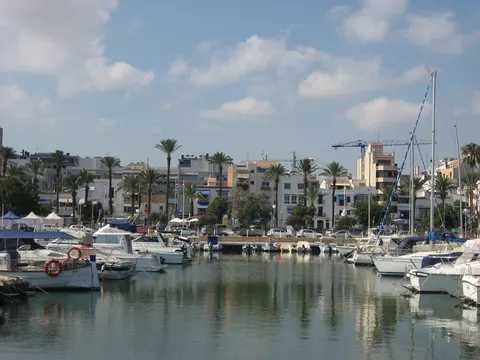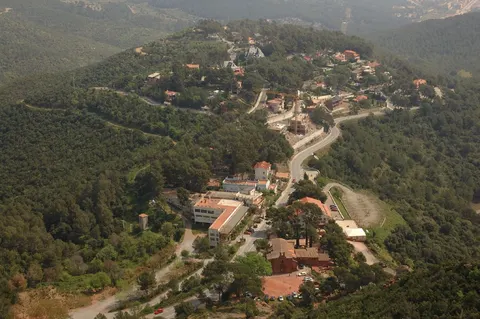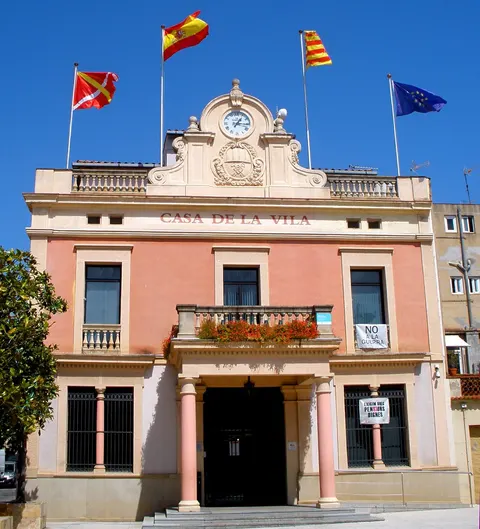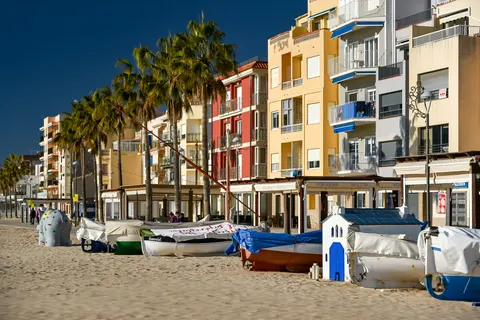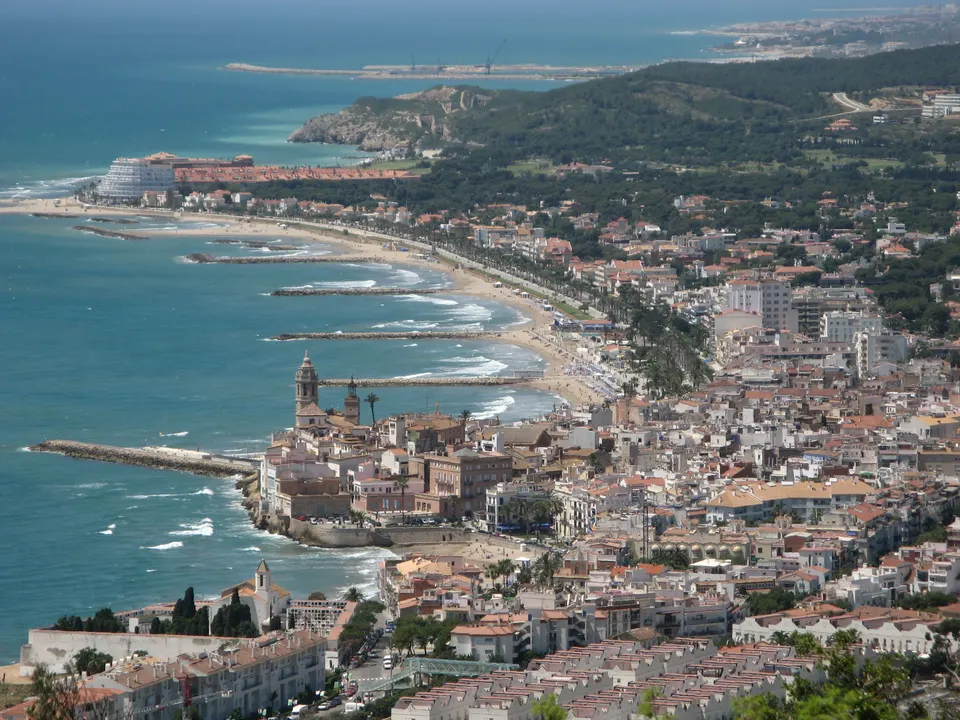

Sitges is a town southwest of Barcelona, wedged between the Garraf Massif and the Mediterranean in Catalonia. Its artistic reputation goes back to the painter Santiago Rusiñol, who spent his summers there. In the 1960s it became a centre of counterculture in mainland Spain under Franco, earning the nickname Ibiza in miniature. Today its beaches, nightspots and LGBTQ+ tourism give the town its character.
About 28,000 people live in Sitges, in Catalonia, Spain.
Why go to Sitges?
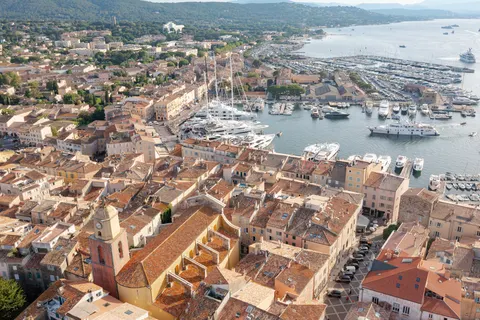
Sitges has seventeen beaches, and the best known, Platja de Sant Sebastià and Platja de la Fragata, are among them. Inland, Garraf Park adds green hills and walks behind the sea setting. The Cau Ferrat Museum and the Maricel Museum keep the town's artistic heritage in view, and the Museu Romàntic Can Llopis adds another collection. Carnival and the film festival are the town's best-known events, and Sitges Pride and Bears Week are among its key gay events. Proximity to Barcelona-El Prat Airport is a practical advantage, and the town is often compared to Saint-Tropez.
When is the best time to visit Sitges?
Expect daytime highs of about 26 °C in July and August, falling to 12 °C in January. If you are after beach holidays, aim for July, August and September. For city breaks, any month of the year works.
How do I get to Sitges without flying?
There are no direct train, bus or ferry links to Sitges yet. The trip planner can still look for a route with changes.
What to do in Sitges
Cau Ferrat Museum
One of the town's main museums, tied to the artistic reputation that Santiago Rusiñol helped build.
Maricel Museum
A museum in Sitges, listed among the town's main museums alongside the Cau Ferrat.
Platja de Sant Sebastià
The most popular of the town's seventeen beaches.
Fundació Stämpfli Contemporary Art
A foundation for contemporary art in Sitges, one of the town's cultural venues.