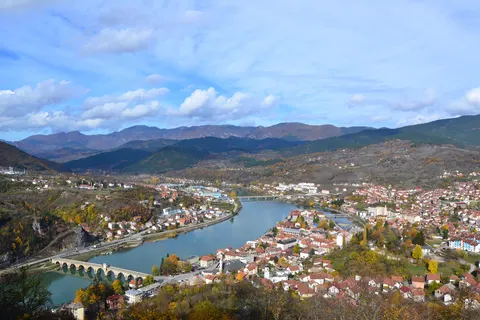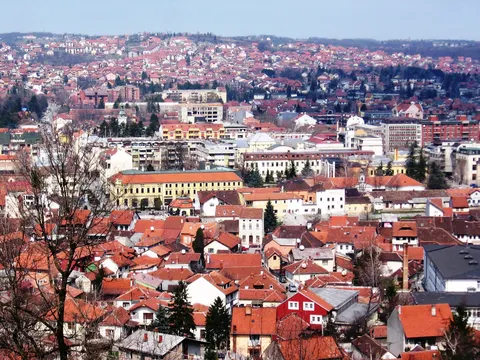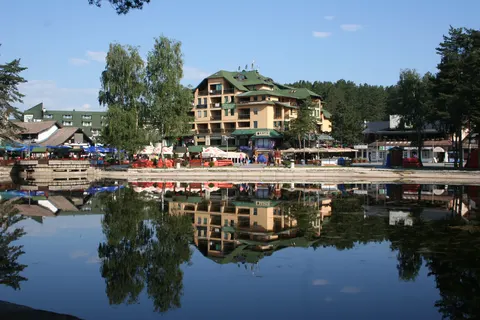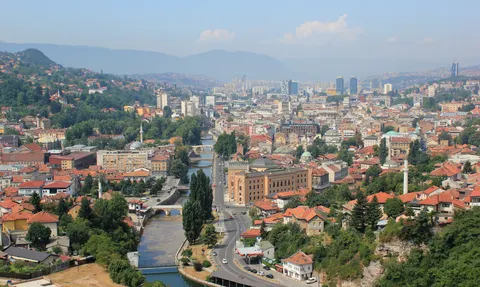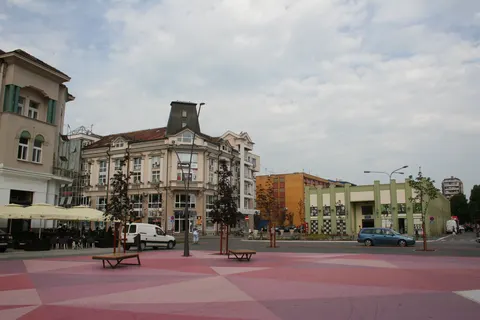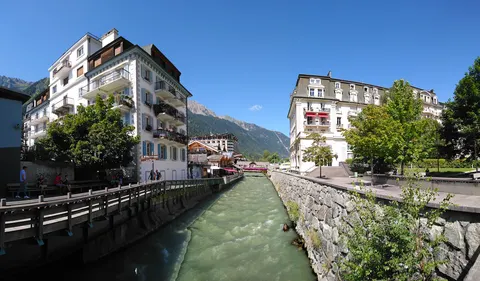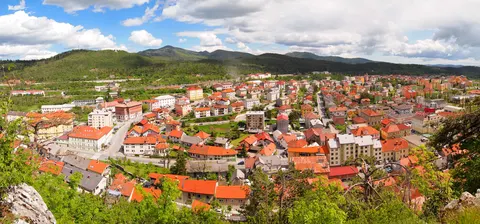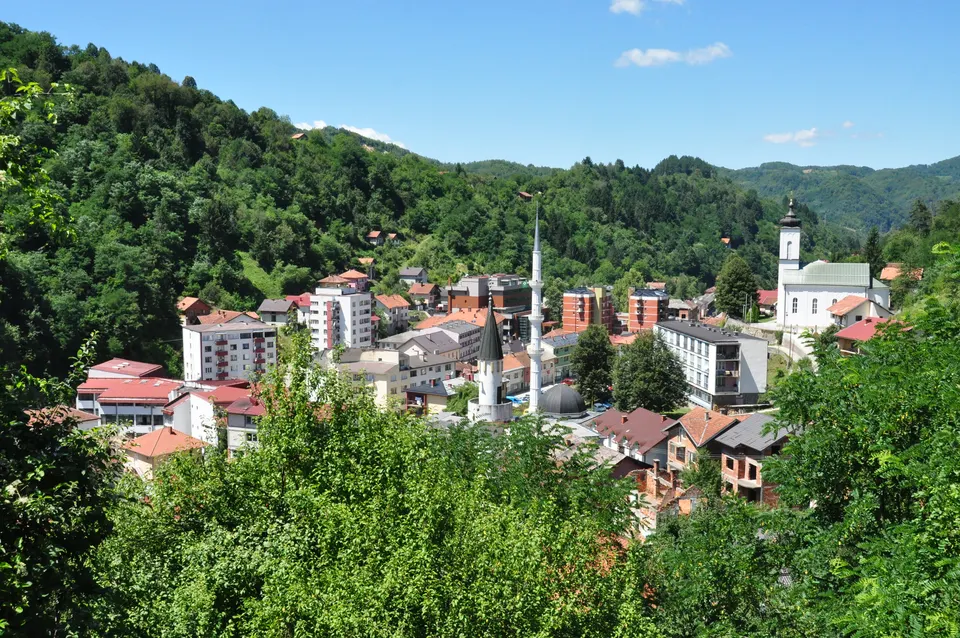

Srebrenica is a small mountain town and municipality in the Republika Srpska entity of Bosnia and Herzegovina. Its main industry is salt mining, and a nearby spa draws visitors. During the Bosnian War, in 1995, the town was the site of the genocidal killing of more than 8,000 Bosniak men and boys, which the ICTY and the International Court of Justice later recognised as genocide.
Srebrenica, in Srpska, Bosnia and Herzegovina, is home to about 2,862 people.
Why go to Srebrenica?
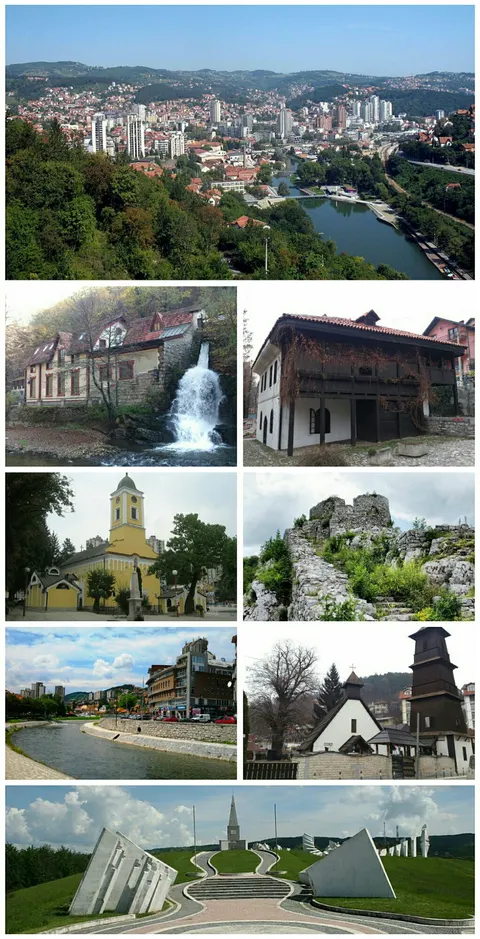
Srebrenica's sights reflect its mixed history. The Sase Monastery is a Serbian Orthodox monastery, and the White Mosque stands on the foundations of a Franciscan Catholic church. A church in the town is named for the Intercession of the Holy Virgin, and there are also St Mary's Catholic Chapel, a local museum and several other mosques, including the Red Mosque. The Čaršija mosque was built in 1836 and rebuilt in 2011. A mosque youth centre in neo-Ottoman style stands in the town. Mineral water springs and a spa are close by.
When is the best time to visit Srebrenica?
In August the average high reaches 26 °C; in January it is closer to 4 °C. Nature and hiking trips work best in May, September and October.
How do I get to Srebrenica without flying?
Srebrenica has direct bus links to 2 destinations. Within 14 hours, travellers from 345 destinations can get here without flying. The bus from Sarajevo takes 3h 30m; that is about 2.1 kg of CO₂ per person. Tuzla is 2h 30m away by bus, with about 1.9 kg of CO₂ per person.
What to do in Srebrenica
Fortress of Srebrenica
A castle in Srebrenica.
Nature and hiking trips in Srebrenica
May is the ideal month for nature and hiking trips, with average highs of 20 °C.
Find tours and tickets: Nature and hiking trips in Srebrenica
Travel on from Srebrenica
Direct links run to Sarajevo and Tuzla.