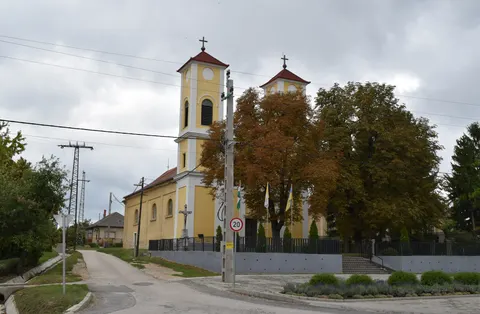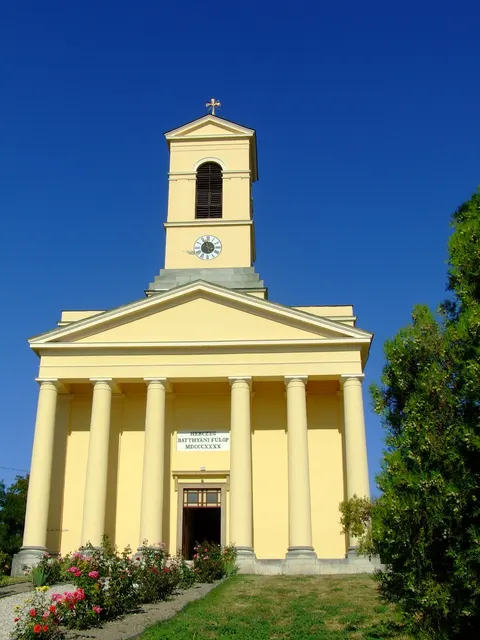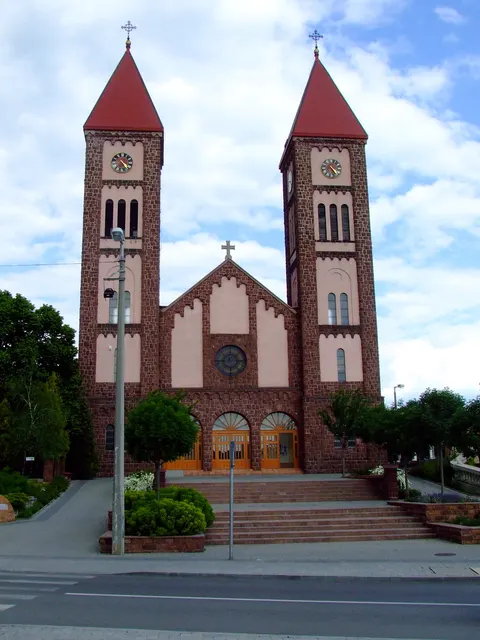

Székesfehérvár is a city in central Hungary and the country's ninth-largest city. It is the regional capital of Central Transdanubia and the centre of Fejér County. The area is an important rail and road junction between Lake Balaton and Lake Velence. Known colloquially as Fehérvár, or white castle, the city was for centuries the royal seat of the Kingdom of Hungary.
Székesfehérvár is in Fejér, Hungary, and has a population of about 102,000; it is also a rail hub.
Why go to Székesfehérvár?
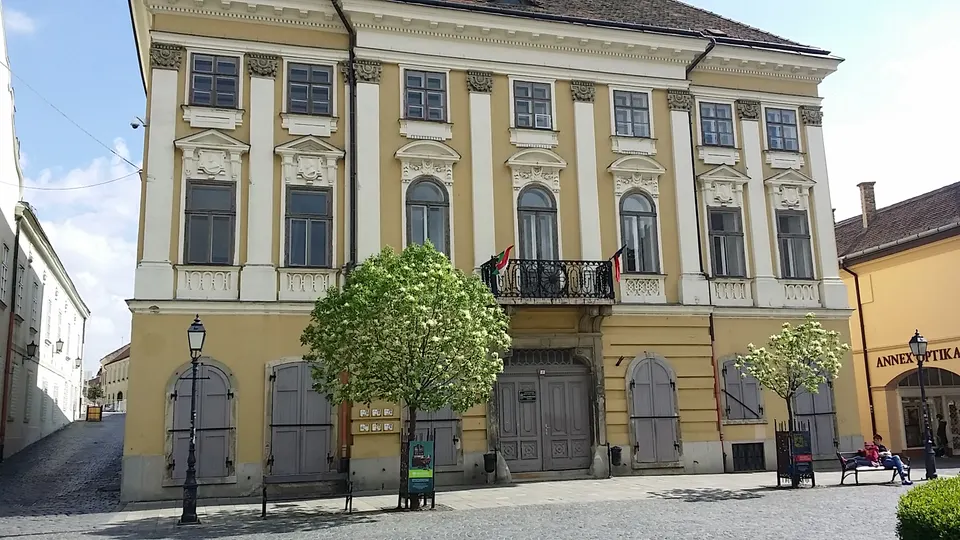
Székesfehérvár was the royal residence and coronation seat of the Kingdom of Hungary, and its medieval role still shapes the centre. The first kings of Hungary were crowned and buried here, as the Doctrine of the Holy Crown required. St Stephen Cathedral and the ruins of the Basilica, one of the largest basilicas in medieval Europe, housed the Diets, the crown jewels and royal burials. Baroque and Classical buildings line the historical centre, including the Episcopal Palace in Zopf style. The Vörösmarty Theatre is the oldest theatre in the country.
When is the best time to visit Székesfehérvár?
July is the warmest, with highs of about 27 °C, and January and December are the coolest, at about 3 °C. City breaks work best in April, May and September.
How do I get to Székesfehérvár without flying?
From 8 destinations you can travel to Székesfehérvár directly by bus or train. Counting connections, 8 destinations can reach it within 14 hours without flying. Travelling from Bicske, allow 1h 12m by train with MAV; that is about 0.4 kg of CO₂ per person. From Várpalota, it takes 30 min by bus, with about 0.6 kg of CO₂ per person. The train from Enying with MAV takes 30 min; that is about 0.3 kg of CO₂ per person.
What to do in Székesfehérvár
St Stephen Cathedral and Basilica ruins
The cathedral and the ruins of the basilica, where the Diets met and the crown jewels were kept.
Find tours and tickets: St Stephen Cathedral and Basilica ruins
Ruin Garden
The ruins of a medieval church founded by St Stephen, laid out as a garden.
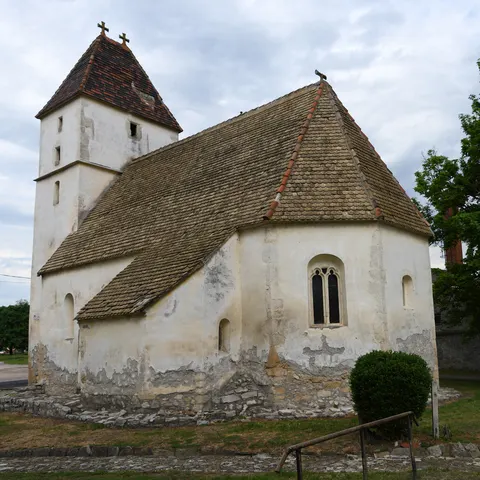
St Anna Chapel
A Gothic chapel built around 1470.
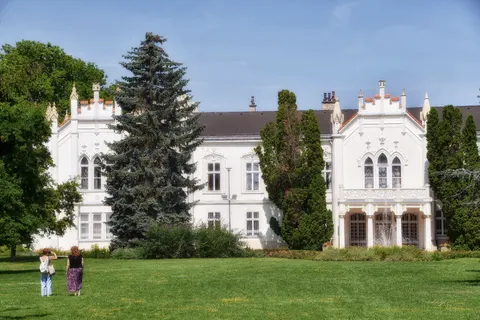
Bory Castle
A castle-like structure from the 20th century, built by the sculptor Jenő Bory and his wife with their own hands.