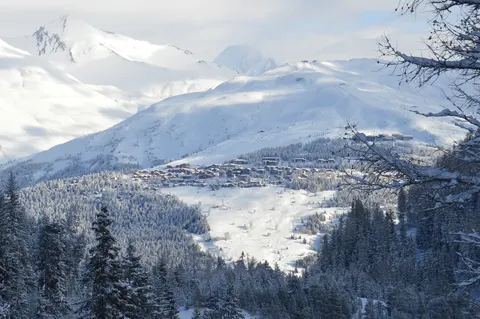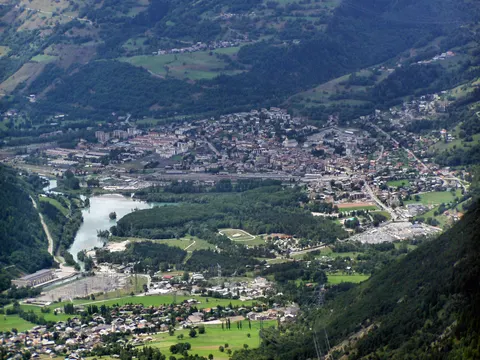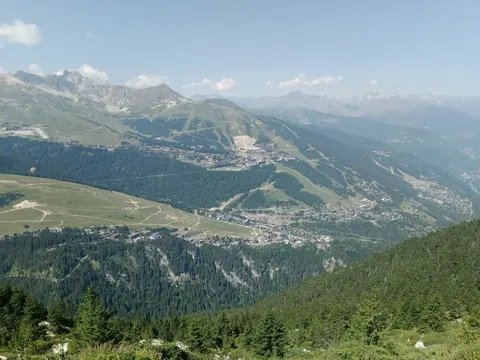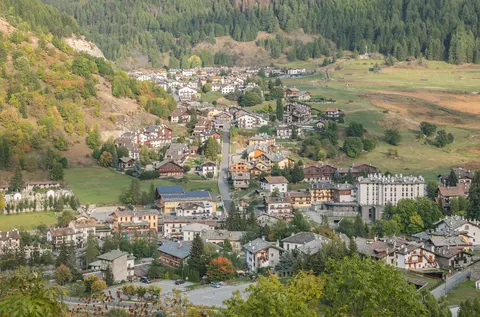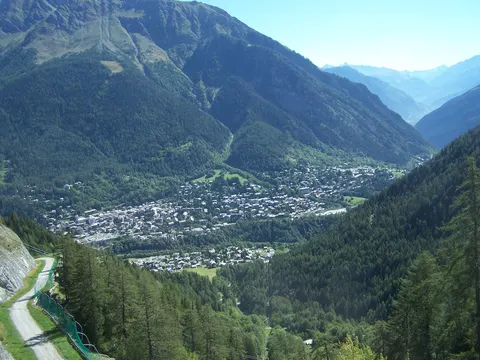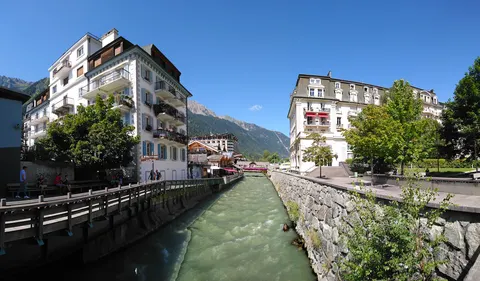

Tignes is a commune in the Tarentaise Valley in the Savoie department of south-eastern France. It is known for the highest skiable area and the longest ski season in Europe. It has good transport links to Lyon, Geneva and Chambéry, and the resort forms one linked ski area with neighbouring Val d'Isère. It is widely described as a snow-sure resort, a reliable choice for winter.
Tignes, in Auvergne-Rhône-Alpes, France, is home to about 2,385 people.
Why go to Tignes?
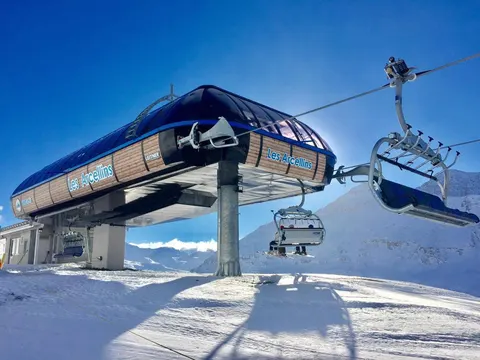
Snow sport athletes come to Tignes to train, since the season runs long and the resort has many slalom runs and ski parks. The valley lends itself to challenging skiing, and advanced skiers often choose it as their main area. The resort has also added easier runs lower down the valley, towards Tignes-Les-Brévières, and upgraded its chairlifts with new ones that climb in smaller steps for beginners and intermediates. Freestyle skiing was staged here for the 1992 Winter Olympics, and the resort has hosted the Winter X Games. Linked with Val d'Isère, it forms a single ski area of 300 km of piste.
When is the best time to visit Tignes?
In July and August the average high reaches 16 °C; in January it is closer to -5 °C. If you are after skiing, aim for February, March and December. Nature and hiking trips work best in June, July and August.
How do I get to Tignes without flying?
There are no direct train, bus or ferry links to Tignes yet. You can still search the trip planner for a route with changes.
What to do in Tignes
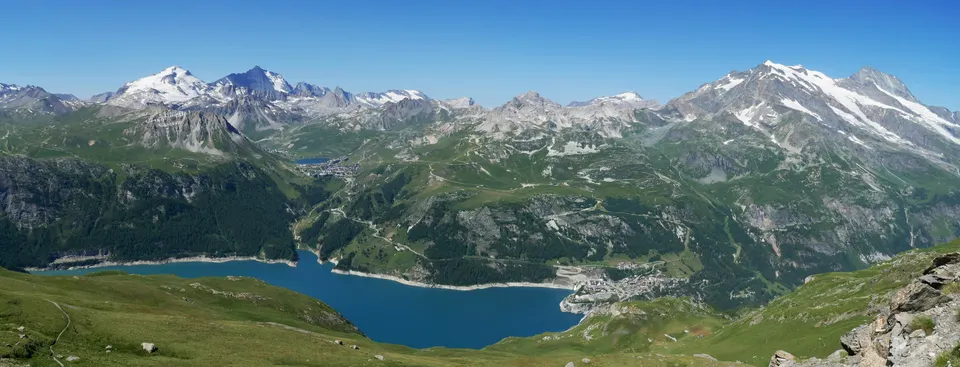
Lac du Chevril
A lake in Tignes.
Aiguille Percée
A mountain in Tignes.
Lac de Tignes
A lake in Tignes.
Skiing in Tignes
February is the ideal month for skiing, with average highs of -3 °C.
Nature and hiking trips in Tignes
July is the ideal month for nature and hiking trips, with average highs of 16 °C.