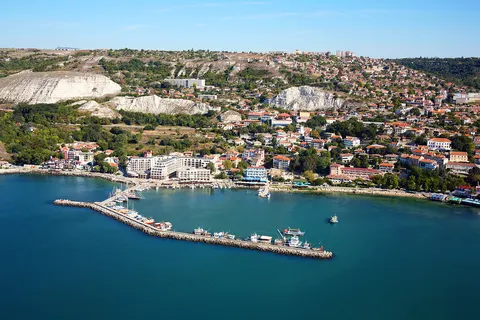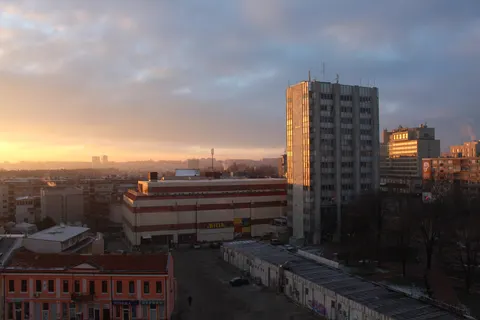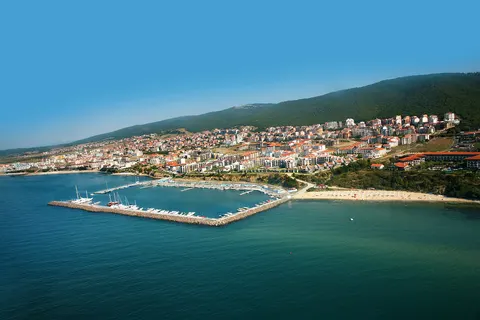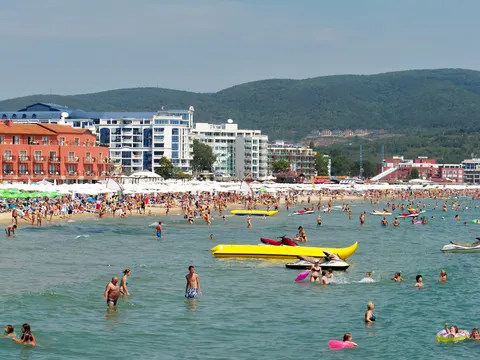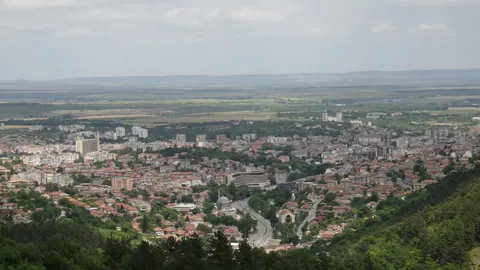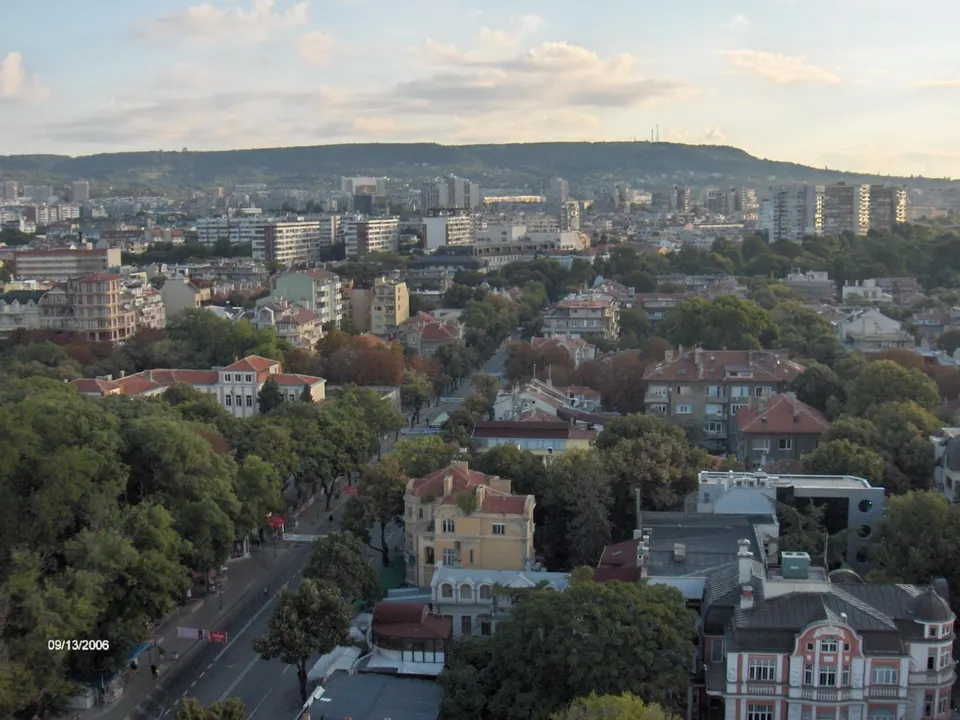

Varna is the third-largest city in Bulgaria and the largest seaside resort on the Bulgarian Black Sea coast. It sits on the Gulf of Varna and has been a major centre of trade, culture and business for almost three millennia, beginning as a Thracian seaside settlement called Odessos. The city is known as the maritime capital of Bulgaria and is home to the headquarters of the navy and the merchant marine.
Varna, in Bulgaria, is home to about 319,000 people and works as a rail hub.
Why go to Varna?
The Sea Garden is the oldest and perhaps largest park in town, with an open-air theatre that hosts ballet and opera, an aquarium and a dolphinarium. The Varna Archaeological Museum displays the Gold of Varna, from the Chalcolithic necropolis that is regarded as the world's oldest large find of gold artefacts. The waterfront is lined with beach clubs, and the city's sea baths are dotted with hot mineral water sources. Outside the city, the medieval cave monastery of Aladzha and the Euxinograd palace and winery are worth a trip.
When is the best time to visit Varna?
In July and August the average high reaches 26 °C; in January it is closer to 5 °C. Beach holidays work best in June, July and August. Any month suits city breaks.
How do I get to Varna without flying?
Varna has direct bus or train links to 11 destinations. Within 14 hours, travellers from 153 destinations can get here without flying. The train from Sofia with BDZ takes 7h 30m; that is about 10 kg of CO₂ per person, 89% less than the 87 kg of a flight. Burgas is 2h 42m away by bus, with about 2.4 kg of CO₂ per person. Travelling from Constanta, allow 4h 30m by bus; that is about 3.3 kg of CO₂ per person.
What to do in Varna
Sea Garden
The oldest park in the town, with an open-air theatre, an aquarium, a dolphinarium and a planetarium among its attractions.
Varna Archaeological Museum
The museum that exhibits the Gold of Varna, the gold found in the city's prehistoric necropolis.
Roman Baths
The Roman baths are among the city's landmarks, remains of a bathing complex from the Roman period.
Naval Museum
Housed in the Italianate Villa Assareto, with the museum ship Drazki torpedo boat on display.
Museum of Ethnography
Set in an Ottoman-period compound, it shows the life of urban dwellers, fisherfolk and peasants in the late 19th and early 20th centuries.