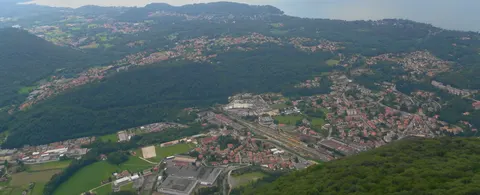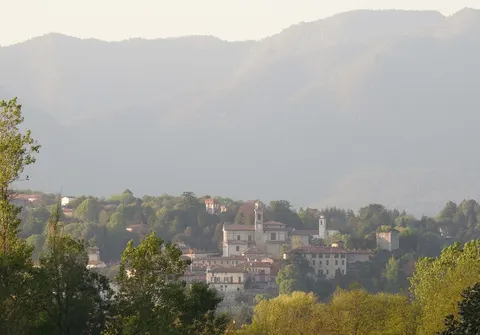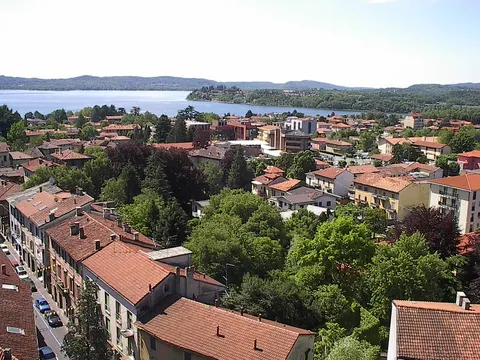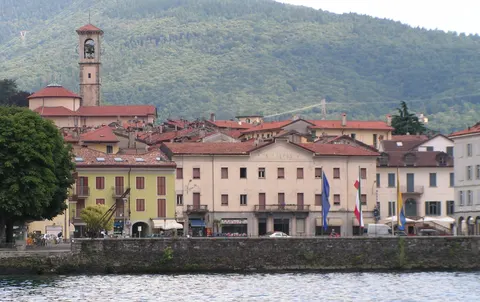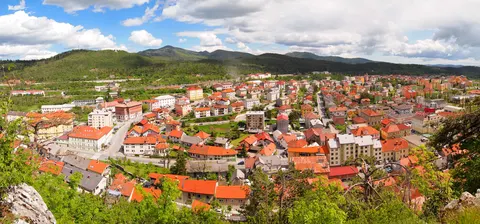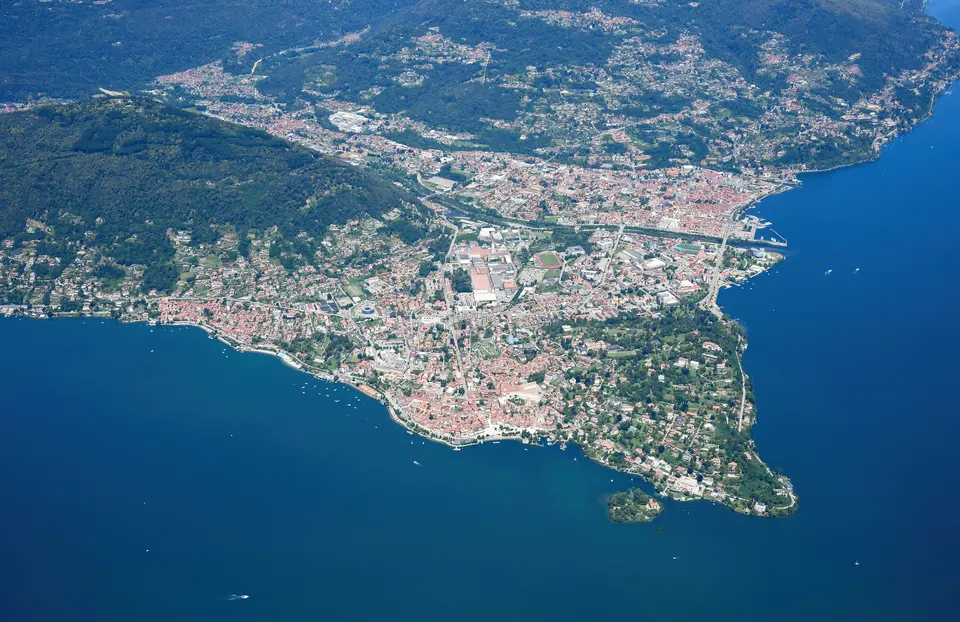

Verbania is the most populous municipality and the capital of the Verbano-Cusio-Ossola province in the Piedmont region of northwest Italy. It sits on the shore of Lake Maggiore, with Locarno in Switzerland about 40 kilometres away. The town was formed in 1939 when Pallanza and Intra were merged, and its past runs back through Roman rule, Habsburg control and the House of Savoy. It became the provincial capital only when the district was made an independent province in the early 1990s.
Verbania is in Piedmont, Italy, and has a population of about 31,000.
Why go to Verbania?
Verbania's main sight is the gardens of Villa Taranto, an estate with fine botanical gardens. The town is made up of two older places, Pallanza and Intra, merged in 1939 into a single municipality. The area has been lived in since prehistoric times, when the Lepontii were its oldest known people, and the Romans later brought it into their empire under Augustus. Through the Middle Ages it passed between the bishops of Novara, the counts of Pombia and the Duchy of Milan, and in the eighteenth century most of the lake areas came under Habsburg control.
When is the best time to visit Verbania?
July is the warmest, with highs of about 27 °C, and January is the coolest, at about 6 °C. For nature and hiking trips, go in April, May and October.
How do I get to Verbania without flying?
There are no direct train, bus or ferry links to Verbania yet. You can still search the trip planner for a route with changes.
What to do in Verbania
Giardini Botanici Villa Taranto
An estate with fine botanical gardens, in the town of Verbania on Lake Maggiore.