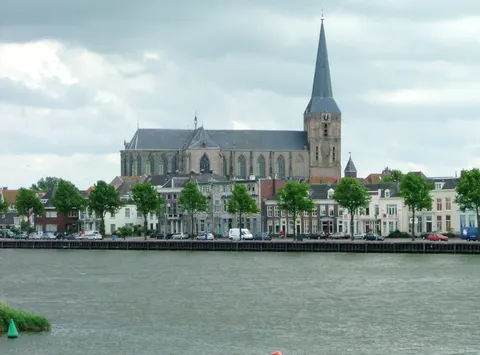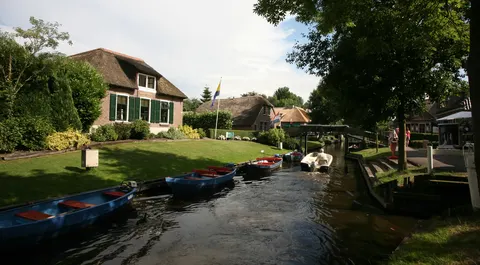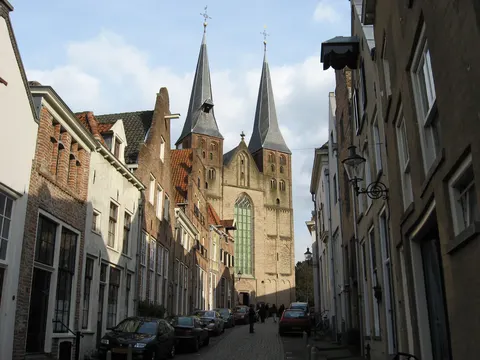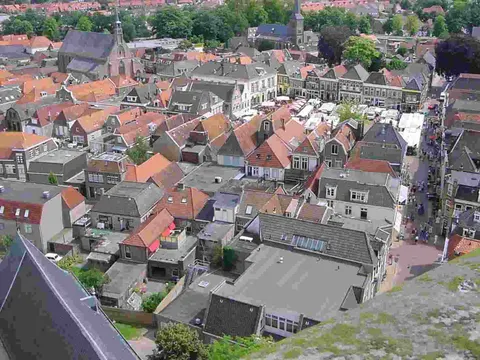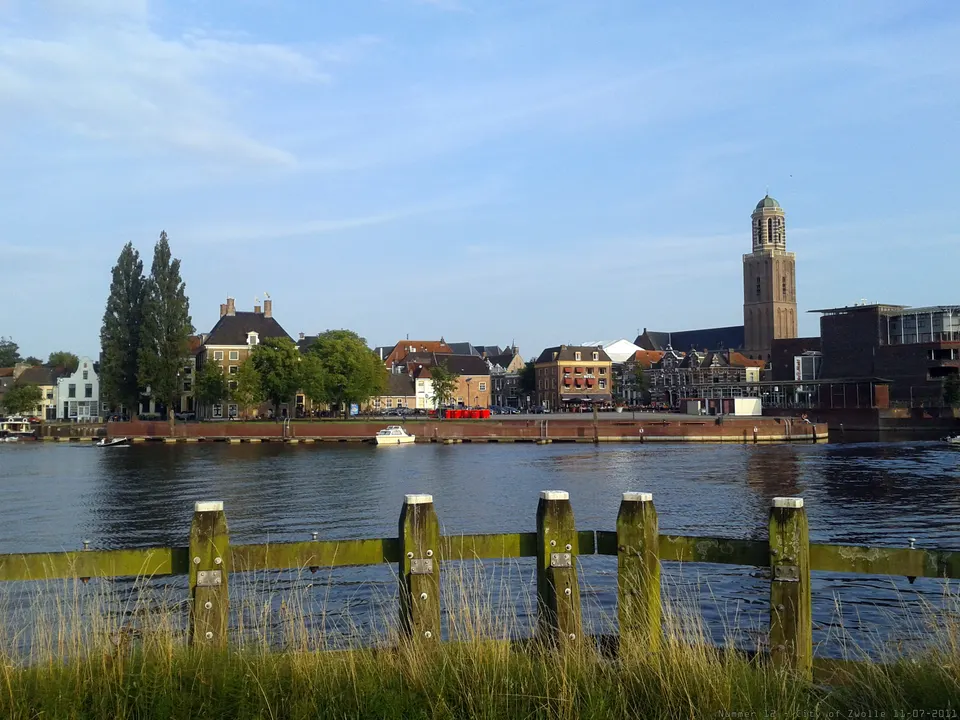

Zwolle is a city and municipality in the northeastern Netherlands and the capital of the province of Overijssel. It lies on the eastern side of the IJssel River and is the province's second-largest municipality, after Enschede. It received city rights from the bishop of Utrecht in the 13th century, and it joined the Hanseatic League in the late 13th century. Its population is about 132,000.
With about 130,000 inhabitants, Zwolle lies in Overijssel, Netherlands, and is a rail hub.
Why go to Zwolle?
Zwolle's centre is shaped by its medieval past. The Grote of Sint-Michaëlskerk, St Michael's church, was renovated in the first half of the 15th century and still stands, with a richly carved pulpit and an exquisite Baroque organ by Arp Schnitger. The city was once a member of the Hanseatic League, and its golden age came in the 15th century, when its gross regional product multiplied about sixfold. Zwolle was also, with Deventer, a centre of the Brethren of the Common Life, a monastic movement. Five kilometres away, on the Agnietenberg hill, stood the Augustinian convent where Thomas à Kempis spent most of his life. The city's river trade and cattle market were once important as well.
When is the best time to visit Zwolle?
Average highs range from 5 °C in January and December to 22 °C in July. For city breaks, any month of the year works.
How do I get to Zwolle without flying?
Direct train services link Zwolle with 11 destinations. Allowing for changes, 2,188 destinations are no more than 14 hours away without flying. Meppel is 15 min away by train with NS, with about 0.3 kg of CO₂ per person. The train from Harderwijk with NS takes 27 min; that is about 0.6 kg of CO₂ per person. From Kampen, it takes 9 min by train with NS, with about 0.2 kg of CO₂ per person.
What to do in Zwolle
Grote of Sint-Michaëlskerk
A church renovated in the 15th century, with a richly carved pulpit and an exquisite Baroque organ by Arp Schnitger.
Agnietenberg
A hill five kilometres from Zwolle where the Augustinian convent stood in which Thomas à Kempis lived and died.