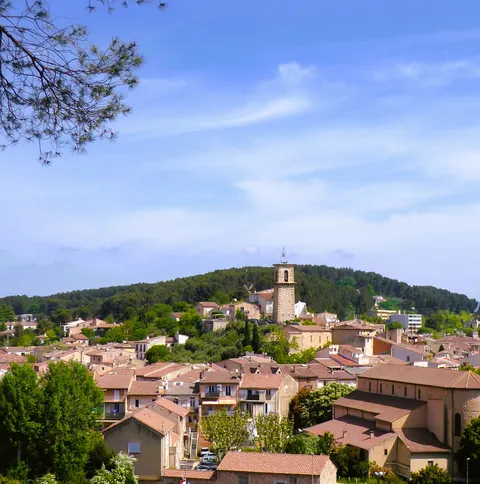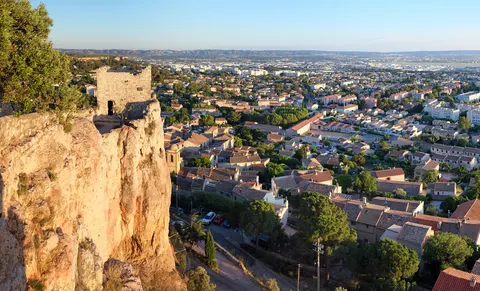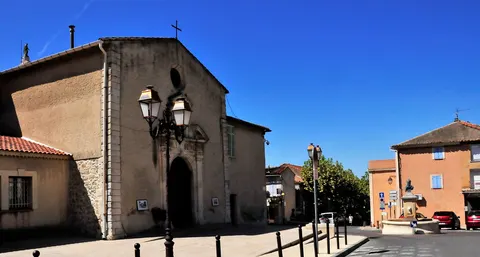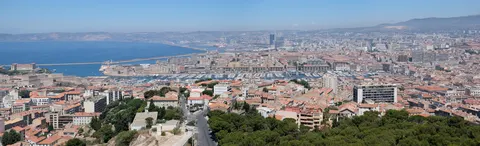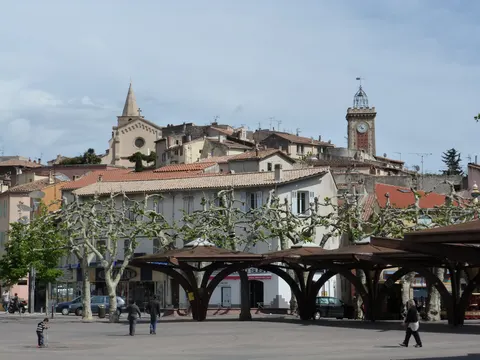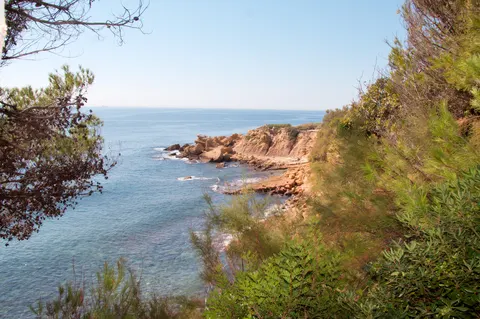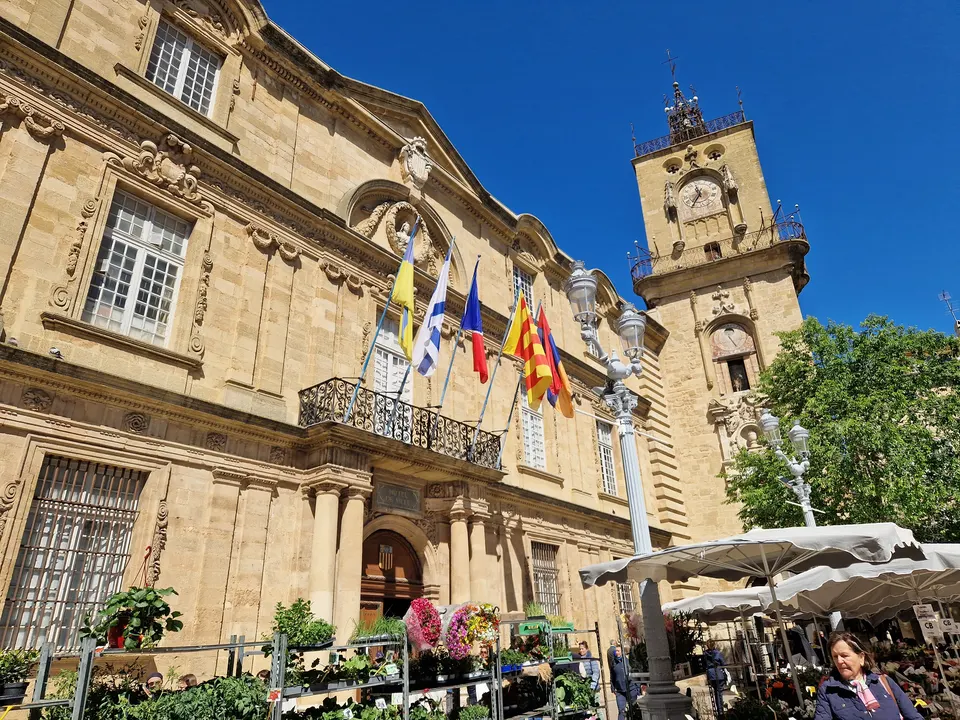

Aix-en-Provence is a former capital of Provence, in the Bouches-du-Rhône department of southern France, and its fountains and churches give it its character. The town is known as Aix by its residents and visitors alike, and its inhabitants are called Aixois. The Provence-Alpes-Côte d'Azur region sets the scene, and Marseille is a short trip away by road. The old town is compact, and the squares and fountains lie close together.
With about 147,000 inhabitants, Aix-en-Provence lies in Provence-Alpes-Côte d'Azur, France, and is a rail hub.
Why go to Aix-en-Provence?
Aix-en-Provence fits a City & Culture trip with a clear sense of its fountains. The Fontaine de la Rotonde, the Fontaine des Neuf-Canons and the Fontaine du Roi René mark the centre and give the walk a steady rhythm of water. The Cathedral of the Holy Saviour and the Church of Saint-Jean-de-Malte are the churches to see, and the Église de la Madeleine and the Chapel of the Oblates add more. The Musée Granet and the Pavillon Vendôme give the visit its museum side, and the Atelier Cézanne is a studio stop for art lovers. The mix of water, churches and galleries keeps the centre varied from one corner to the next. Its streets are lined with fountains and old houses, and the centre rewards a slow walk.
When is the best time to visit Aix-en-Provence?
Average highs range from 10 °C in January and December to 29 °C in July and August. For city breaks, any month of the year works.
How do I get to Aix-en-Provence without flying?
Direct bus or train services link Aix-en-Provence with 15 destinations. Allowing for changes, 2,031 destinations are no more than 14 hours away without flying. Marseille is 25 min away by bus with FlixBus-eu, with about 0.7 kg of CO₂ per person. The bus from Lyon with BlaBlaCar Bus takes 3h 40m; that is about 6.8 kg of CO₂ per person, 88% less than the 58 kg of a flight. From Nice, it takes 2h 10m by bus with FlixBus-eu, with about 4 kg of CO₂ per person.
What to do in Aix-en-Provence
Fontaine de la Rotonde
The Fontaine de la Rotonde is one of the city's fountains, a monument at the heart of the centre where the streets meet.
Atelier Cézanne
The Atelier Cézanne is a studio stop for art lovers, a place to see where the painter worked in the city and to think about his view of the town.
Cathedral of the Holy Saviour
The Cathedral of the Holy Saviour is the main church of the old town, a building that anchors the walk among the fountains and squares.
Musée Granet
The Musée Granet is the city's main museum of art and history, a gallery stop that sits within the old centre.