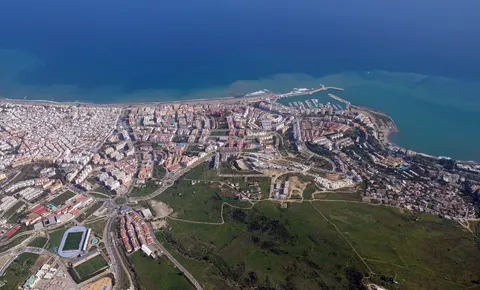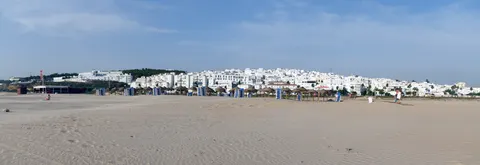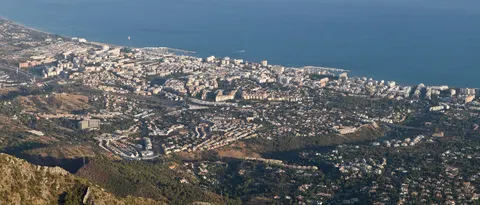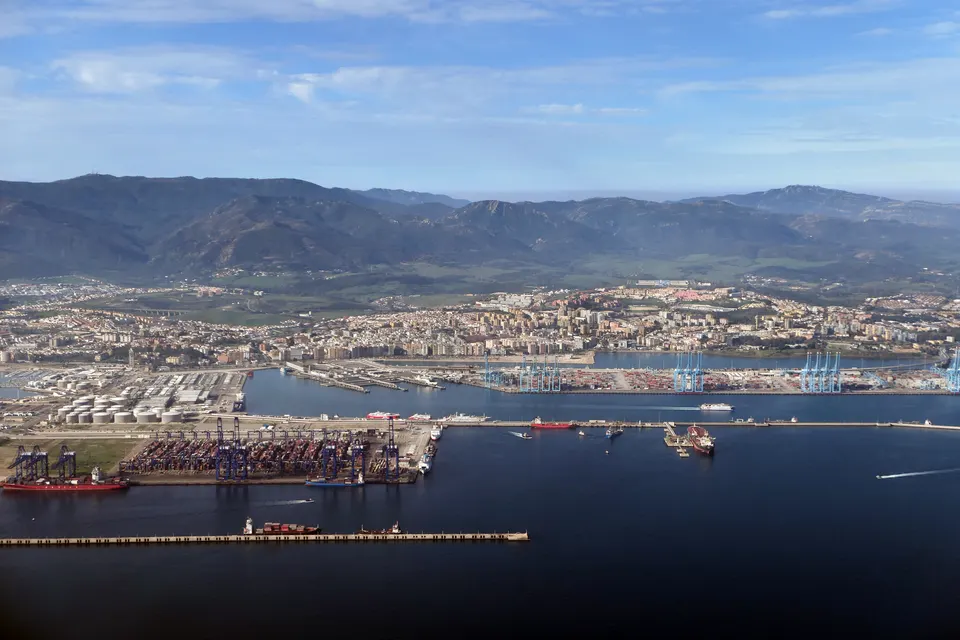

Algeciras is a city and municipality of Spain in the province of Cádiz, and it is the largest town of the Campo de Gibraltar. The city lies on the bay's western side, opposite the Rock of Gibraltar, and the Strait of Gibraltar runs along its coast. The beaches and parks of the town give the city a seaside side, and its Roman kilns and caves add an older layer.
With about 121,000 inhabitants, Algeciras lies in Andalusia, Spain, and is a rail hub.
Why go to Algeciras?
Algeciras suits a Sun & Beach trip with two beaches and a set of parks. The Playa de Getares and the Playa de El Rinconcillo are the two beaches of the town, and the Parque María Cristina and the Parque del Centenario give the town its green side. The Fuerte de Isla Verde is the fort to see, and the Roman kilns of El Rinconcillo add an older layer. The Museo Municipal de Algeciras covers the town's collections, and the Gorham's Cave complex is a UNESCO listing nearby. The Strait and the Bay give the town its setting, and the walk along the water shows both at once.
When is the best time to visit Algeciras?
Average highs range from 15 °C in January and February to 26 °C in July and August. July, August and September are the time for beach holidays.
How do I get to Algeciras without flying?
Direct bus or train services link Algeciras with 3 destinations. Allowing for changes, 285 destinations are no more than 14 hours away without flying. Malaga is 2h 20m away by bus with FlixBus-eu, with about 3.1 kg of CO₂ per person. The train from Ronda with RENFE OPERADORA takes 1h 55m; that is about 0.7 kg of CO₂ per person. From Vejer de la Frontera, it takes 1h 24m by bus with Comes, with about 1.3 kg of CO₂ per person.
What to do in Algeciras
Playa de Getares
The Playa de Getares is one of the two beaches of the town, and it is the sandy stop for a Sun & Beach trip along the bay.
Parque María Cristina
The Parque María Cristina is one of the town's parks, a green place to walk between the beaches and the centre.
Fuerte de Isla Verde
The Fuerte de Isla Verde is the fort among the sights, a stone building that gives the coast its historic side.
Roman kilns of El Rinconcillo
The Roman kilns of El Rinconcillo are one of the older monuments of the town, and they add a historic stop to the seaside trip.