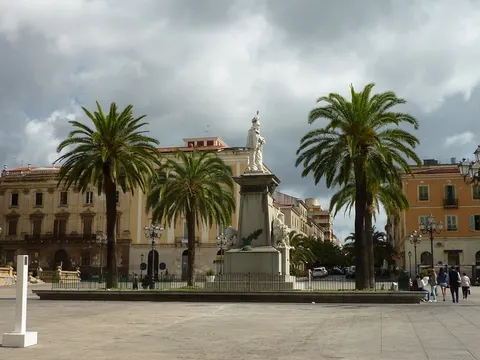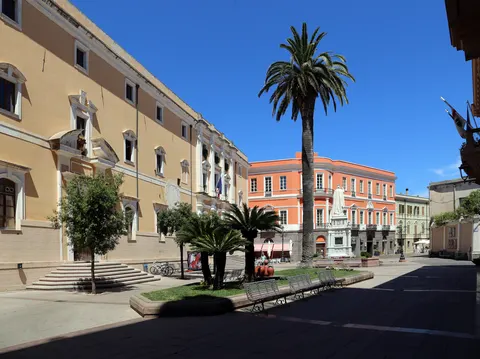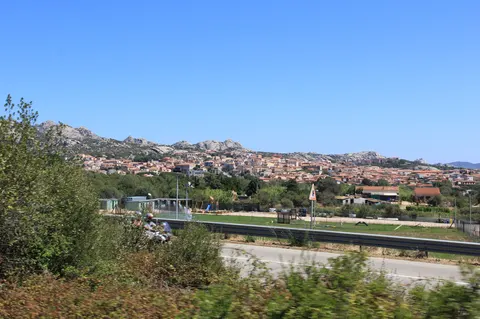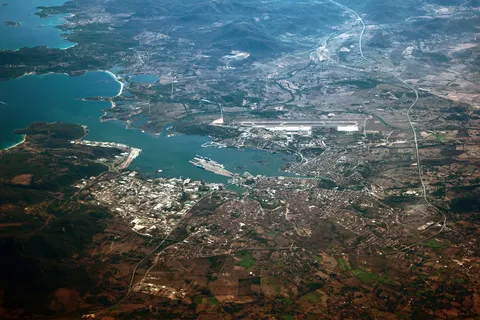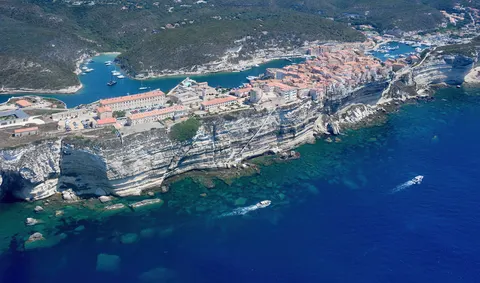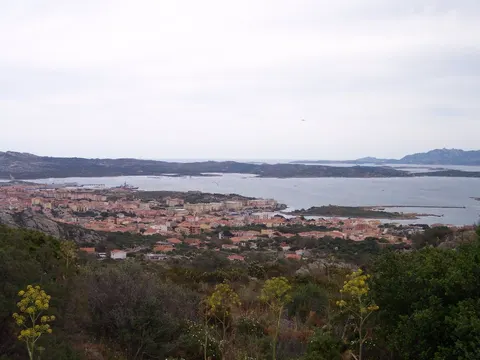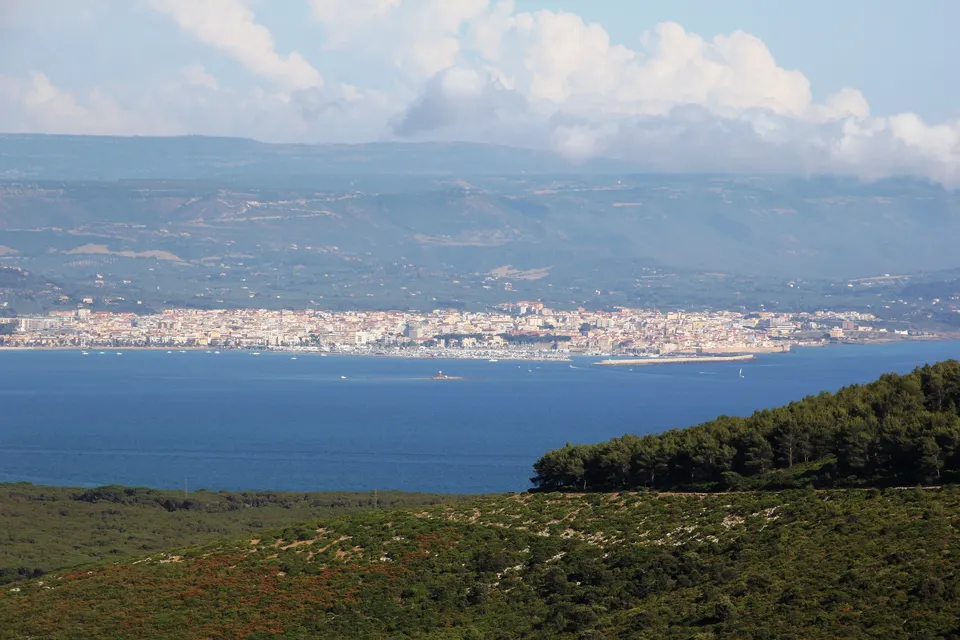

Alghero is a city on the northwest coast of Sardinia, on a bay named after it, in the Metropolitan City of Sassari. Its people speak Algherese, a Catalan dialect that descends from the Crown of Aragon and is officially recognised as a minority language. The old part of the city shows many features of Catalan medieval architecture.
Alghero is in Sardinia, Italy, and has a population of about 34,000; it is also a rail hub.
Why go to Alghero?
The city mixes Catalan and Sardinian influences. The cathedral of Santa Maria Immacolata keeps five Catalan-Gothic chapels in its presbytery, while its nave is late Renaissance and a Neo-Classical narthex was added to the façade in the twentieth century. Residents call their city Barceloneta, little Barcelona, for their ancestry and fraternity with the Catalan capital. The cuisine blends Catalan and Sardinian traditions. Beyond the city, the Nurra plain stretches to the north, and the karst systems of Capo Caccia and Punta Giglio lie to the northwest.
When is the best time to visit Alghero?
July and August are the warmest, with highs of about 27 °C, and January is the coolest, at about 12 °C. For beach holidays, go in June, July and August. Any month suits city breaks.
How do I get to Alghero without flying?
There are no direct train, bus or ferry links to Alghero yet. You can still search the trip planner for a route with changes.
What to do in Alghero
Alghero Cathedral
The Cattedrale di Santa Maria Immacolata, seat of the Diocese of Alghero-Bosa, begun in the sixteenth century and consecrated in the eighteenth.
Church of St Francis
A church first built in the fourteenth century and rebuilt in the late sixteenth, with original Catalan-Gothic parts over the high altar.
Church of St Michael
One of the city's religious buildings, listed alongside the cathedral and the Church of St Francis.