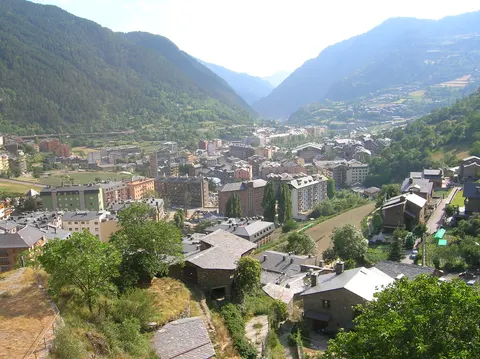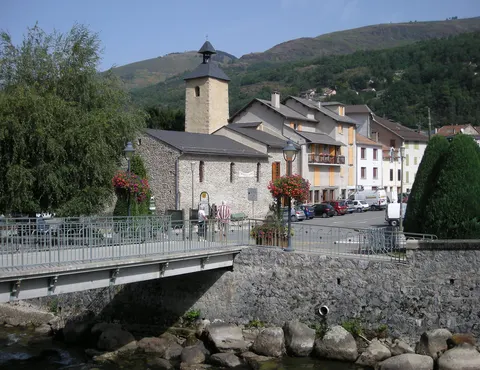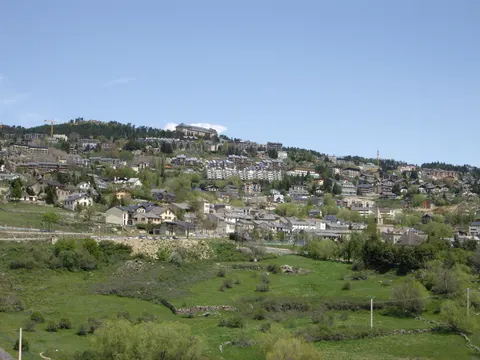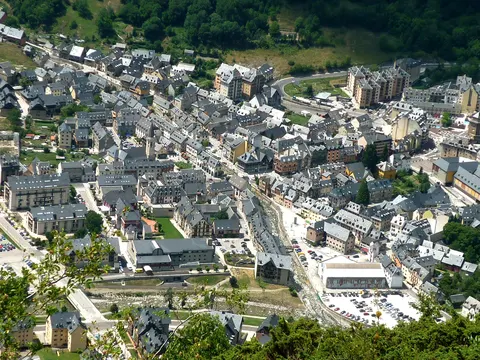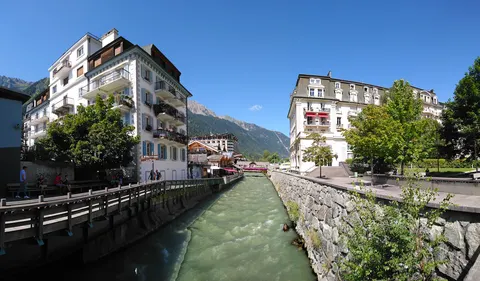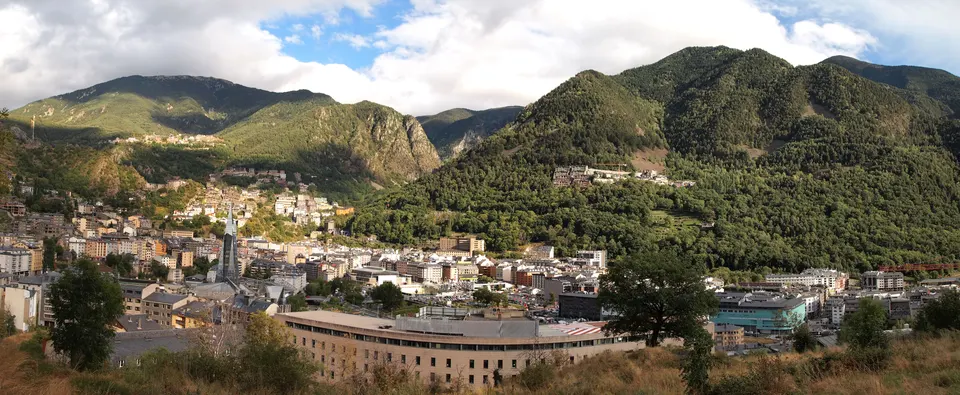

Andorra la Vella is the capital and largest city of Andorra, high in the eastern Pyrenees between France and Spain. At 1,023 metres it is the highest capital city in Europe. The city has about 24,000 inhabitants, and its old town sits where two mountain streams meet to form the Gran Valira. Tourism is the principal industry.
Andorra la Vella, in Andorra, is home to about 20,000 people.
Why go to Andorra la Vella?
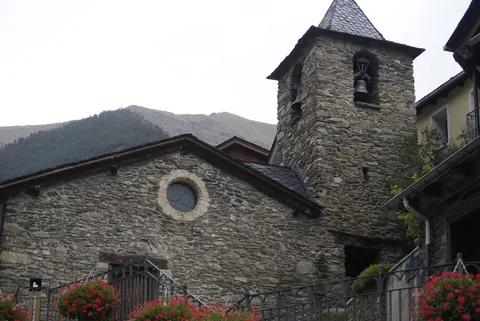
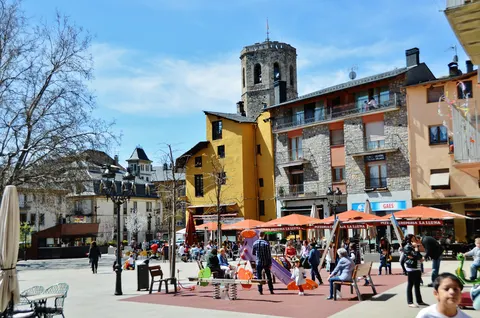
The old town, the Barri Antic, has stone streets and houses that date from the time when the city became Andorra's principal town under the joint rule of French and episcopal co-princes. The Casa de la Vall, built in the early 16th century, has been the country's parliamentary house for centuries. The Romanesque church of Sant Esteve, from the 11th century, stands in the picturesque old quarter. The city is also the country's cultural centre, and the piazza outside parliament hosts events and a winter music festival.
When is the best time to visit Andorra la Vella?
In July and August the average high reaches 24 °C; in January it is closer to 5 °C. If you are after skiing, aim for January, February and December. Nature and hiking trips work best in May, June and September. Any month suits city breaks.
How do I get to Andorra la Vella without flying?
Andorra la Vella has direct bus links to 10 destinations. Within 14 hours, travellers from 833 destinations can get here without flying. The bus from Puigcerdà takes 2h 00m; that is about 0.9 kg of CO₂ per person. Arinsal is 30 min away by bus, with about 0.2 kg of CO₂ per person. Travelling from Encamp, allow 24 min by bus with Govern d'Andorra; that is about 0.2 kg of CO₂ per person.
What to do in Andorra la Vella
Casa de la Vall
The former parliament building in the old town, built in the early 16th century.
Església de Sant Esteve
A Romanesque church in the old town, built in the 11th century.
Government Exhibition Hall
A hall that acts as the city's main theatre and museum.