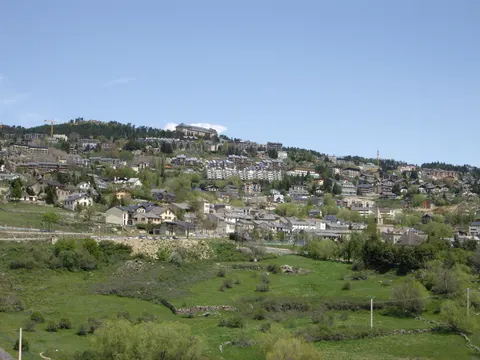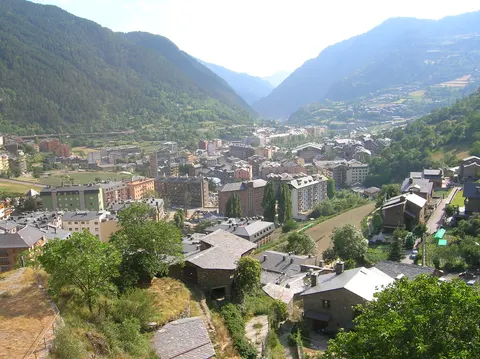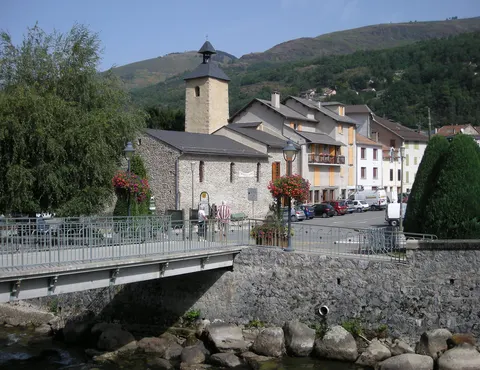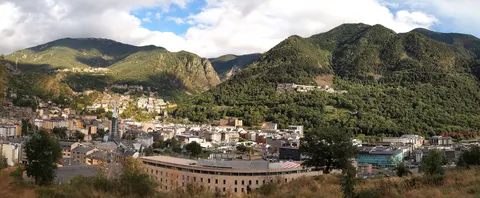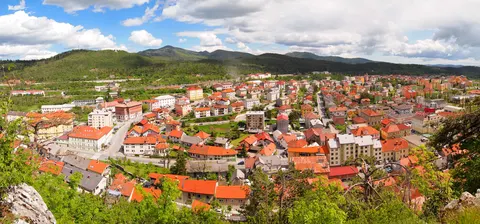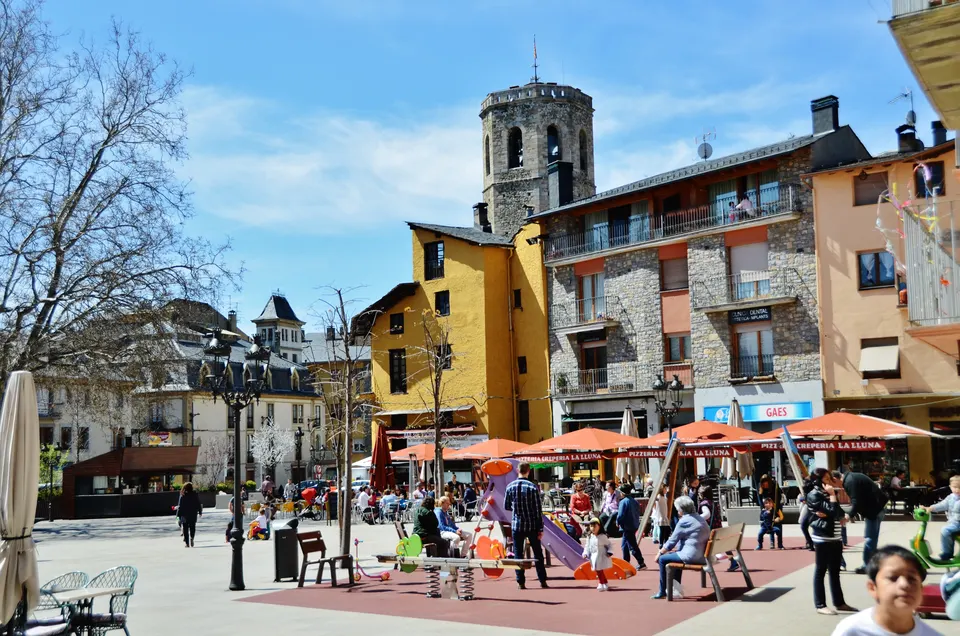

Puigcerdà is the capital of the Catalan comarca of Cerdanya, in the province of Girona in northern Spain. It lies close to the Segre River and sits directly against the French town of Bourg-Madame on the border. King Alfonso of Aragon founded it in 1178, and it replaced Hix as the capital of the valley. Its population is about 10,000.
Puigcerdà, in Catalonia, Spain, is home to about 8,845 people.
Why go to Puigcerdà?
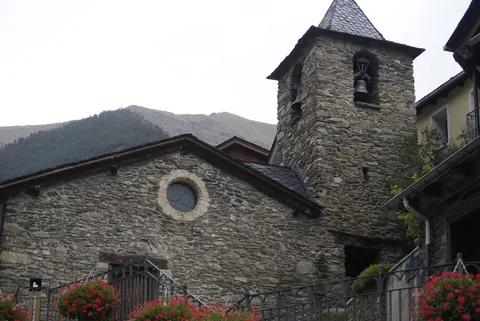
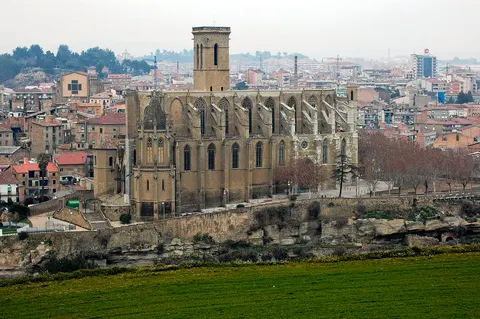
Puigcerdà is a border town with a long history, and its old churches and monuments make that history visible. The Romanesque churches of Sant Tomàs de Ventajola and Sant Andreu Vilallobent stand among the older buildings of the area, and the Old Hospital is a Romanesque-Gothic building. A parish church destroyed in 1936 during the Spanish Civil War survives as ruins, with its bell tower, the Torre del Campanar. During that war the town was unusual for having a democratically elected anarchist council. A railway opened in 1929 crosses the Pyrenees here and links the town with France.
When is the best time to visit Puigcerdà?
In July the average high reaches 24 °C; in January, February and December it is closer to 6 °C. Nature and hiking trips work best in May, June and September.
How do I get to Puigcerdà without flying?
Puigcerdà has direct bus or train links to 10 destinations. Within 14 hours, travellers from 1,319 destinations can get here without flying. The bus from Andorra la Vella takes 2h 00m; that is about 0.9 kg of CO₂ per person. Font-Romeu-Odeillo-Via is 20 min away by bus with .liO 66, with about 0.3 kg of CO₂ per person. Travelling from Encamp, allow 2h 24m by bus; that is about 0.8 kg of CO₂ per person.
What to do in Puigcerdà
Torre del Campanar
The bell tower of a parish church destroyed during the Spanish Civil War, now standing among its ruins.
Sant Tomàs de Ventajola
A Romanesque church in the area around the town.
Sant Andreu Vilallobent
A Romanesque church in the area, later restored.
Convent of St Dominic
A convent founded in the medieval period and completed in later centuries.
Old Hospital
A Romanesque-Gothic building that was once the town's hospital.