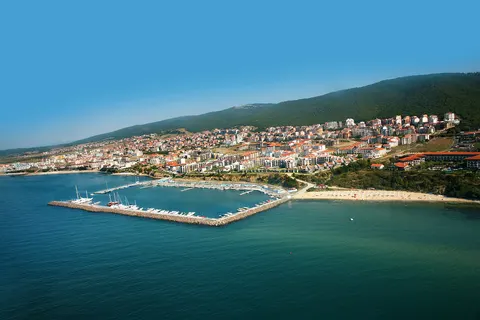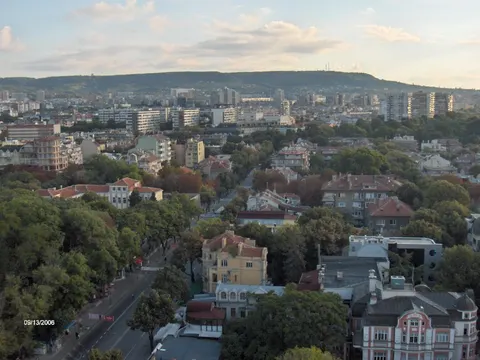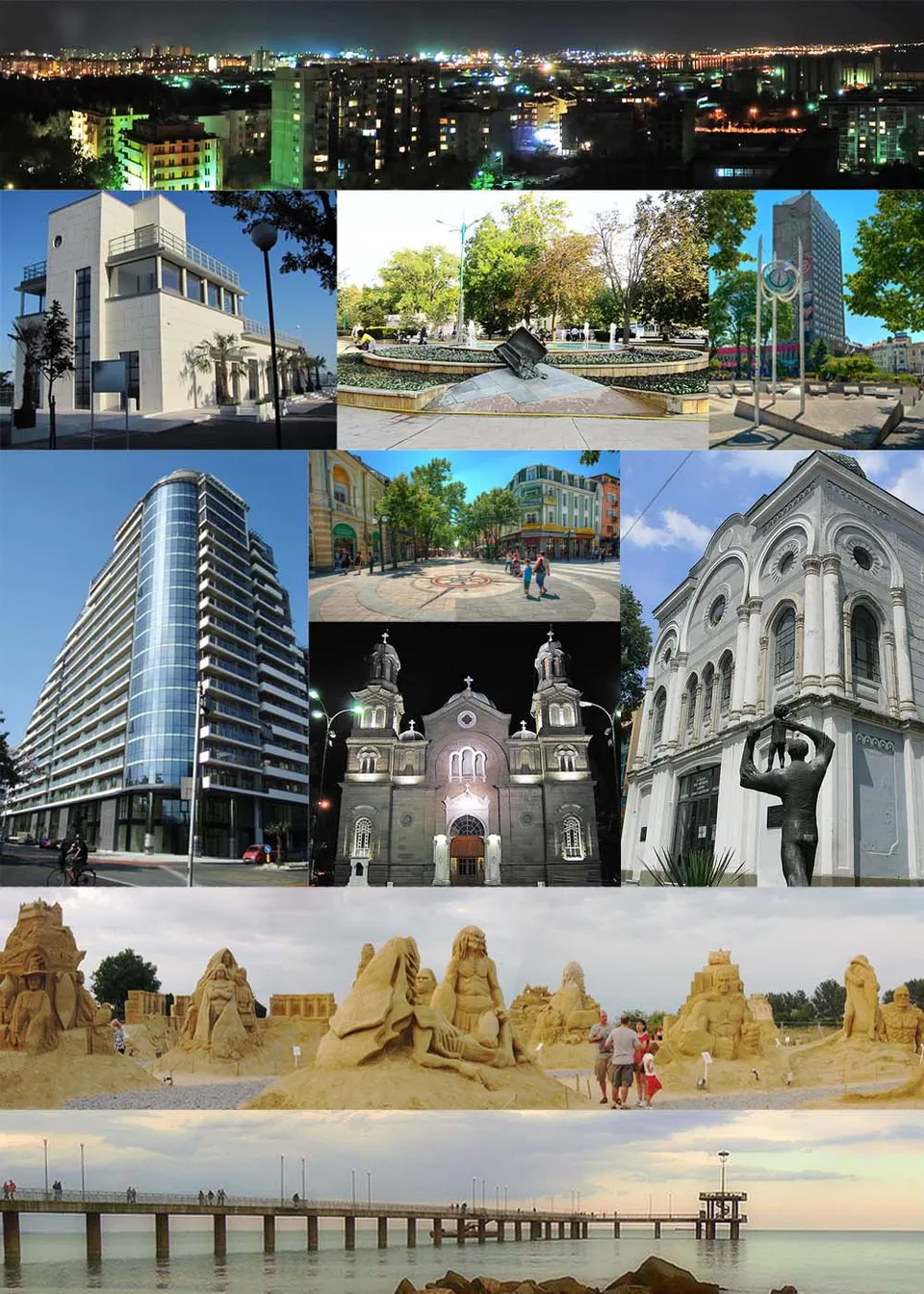

Burgas is the second-largest city on the Bulgarian Black Sea Coast and the capital of Burgas Province. It is surrounded by the Burgas Lakes and lies on the large Burgas Bay. The city is an important industrial, transport, cultural and tourist centre, and the centre of the Bulgarian fishing and fish processing industry.
Burgas, in Bulgaria, is home to about 211,000 people and works as a rail hub.
Why go to Burgas?
Burgas is a Black Sea port with Thracian and Roman remains. The Thracians left a sanctuary at Beglik Tash and a burial mound near Sunny Beach, and they built the mineral baths of Aquae Calidae. The Romans founded the military colony of Deultum, the second most important city in the province of Haemimontus. The city's Sea Garden is a municipal park. Burgas will host the Eurovision Song Contest 2027, the first edition in Bulgaria, after beating Sofia in an open bidding process.
When is the best time to visit Burgas?
In July and August the average high reaches 27 °C; in January and February it is closer to 7 °C. Any month suits city breaks.
How do I get to Burgas without flying?
Burgas has direct bus or train links to 12 destinations. Within 14 hours, travellers from 170 destinations can get here without flying. The train from Sofia with BDZ takes 6h 00m; that is about 8 kg of CO₂ per person, 90% less than the 78 kg of a flight. Varna is 2h 42m away by bus, with about 2.4 kg of CO₂ per person. Travelling from Edirne, allow 6h 48m by bus; that is about 3.2 kg of CO₂ per person.
What to do in Burgas
Sea Garden
A municipal park built in 1910 for the residents of Burgas by the city's chief gardener, Georgi Duhtev.
Baths of Aquae Calidae
Roman and medieval mineral baths on the site of the ancient mineral baths built by the Thracians.
Rusokastro Fortress
A fortress listed among the main sights of Burgas.
Burgas Opera House
Home to the Burgas State Opera and the Philharmonic Society of Burgas.