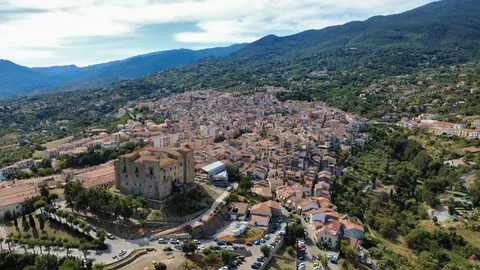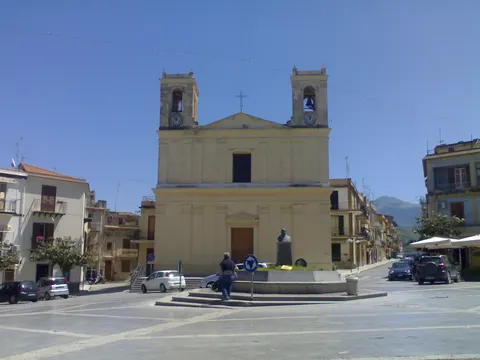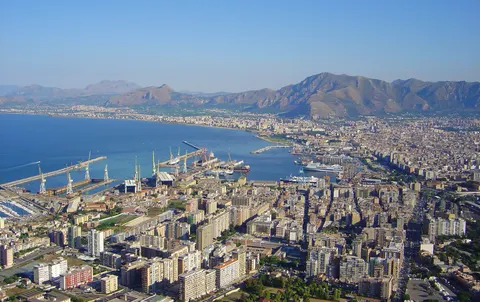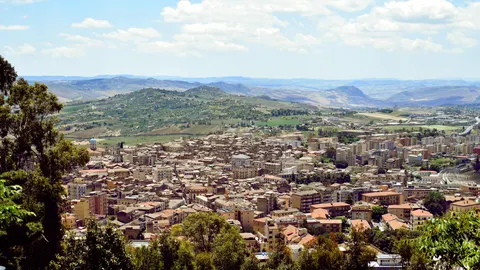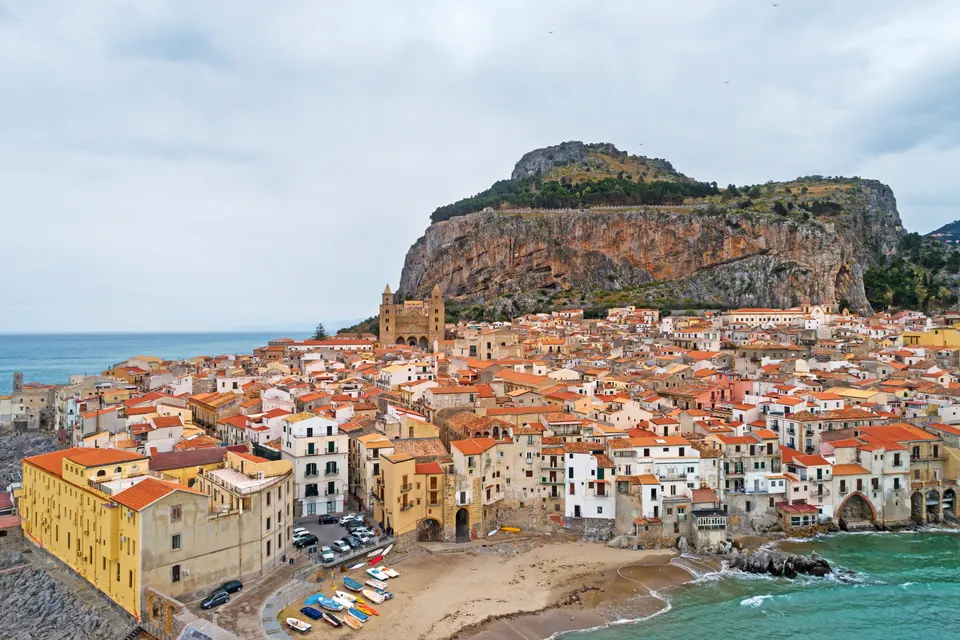

Cefalù was known in antiquity as Cephaloedium, and its old streets still run down toward the sea. The town sits on the Tyrrhenian coast of Sicily, a short way from the provincial capital Palermo, and it is one of the main tourist attractions in the region. Its cathedral and the Museo Mandralisca stand in the old centre, and the Purgatorio church adds a second building to the walk.
Cefalù, in Sicily, Italy, is home to about 12,000 people.
Why go to Cefalù?
Cefalù fits a Sun & Beach trip with a City & Culture side in the old town. The Cefalù Cathedral is the building that stands out on the skyline, and the Museo Mandralisca gives the visit an indoor stop with its collections. The Purgatorio is a smaller stop in the centre. The high rock above the town gives the walk a view over the bay, and the sea is never far from the streets. Sicily's north coast suits a slow visit, with the beaches and the old centre close together. The walk is short enough to link the cathedral, the museum and the churches in one visit.
When is the best time to visit Cefalù?
In July and August the average high reaches 27 °C; in January and February it is closer to 13 °C. Beach holidays work best in July, August and September. Any month suits city breaks.
How do I get to Cefalù without flying?
Cefalù has one direct link, by bus. Within 14 hours, travellers from 109 destinations can get here without flying. The bus from Castelbuono takes 36 min; that is about 0.4 kg of CO₂ per person.
What to do in Cefalù
Cefalù Cathedral
The cathedral is the town's main church, a building that anchors the walk through the old streets and gives the square its focus. Step inside, then walk down toward the sea.
Museo Mandralisca
The Museo Mandralisca is the town's museum, a collection in the old centre that gives the visit an indoor stop between the beaches and the churches.
Purgatorio church
The Purgatorio is a church in the old town, a smaller stop that adds a religious note to the walk through the streets and down toward the sea.
Sun and sea on the coast
The town's beaches sit on the Tyrrhenian coast, and the sea is the setting for much of the Sun & Beach side of the trip. Spend time in the water, then walk back up to the old centre.