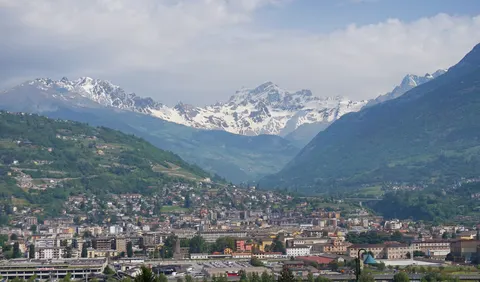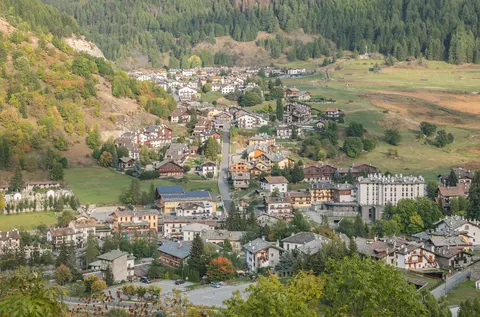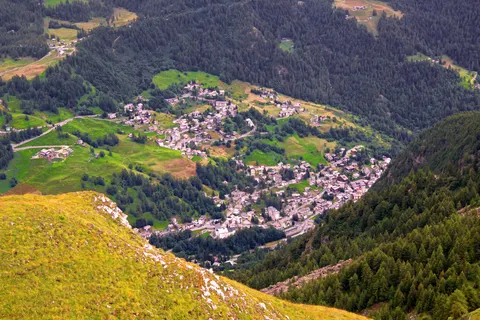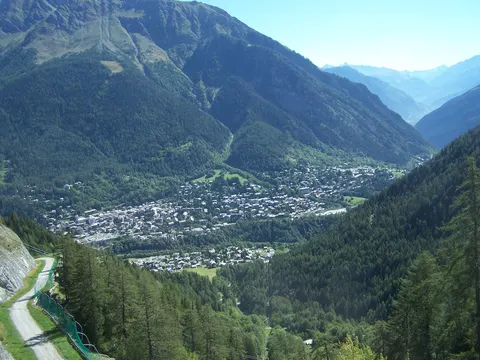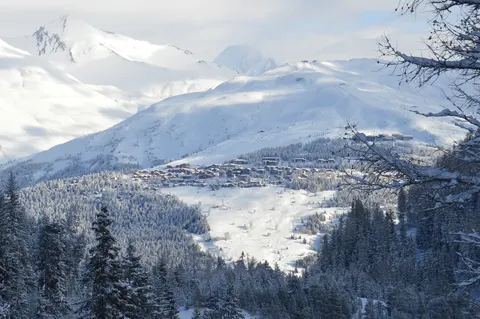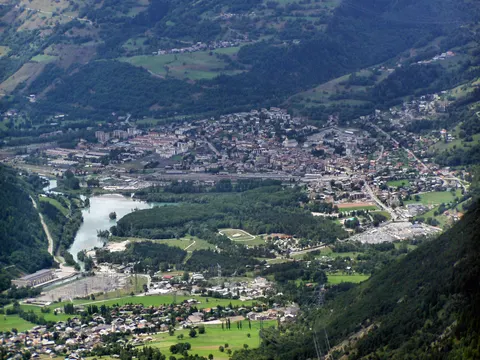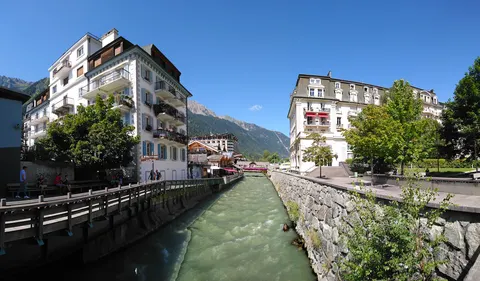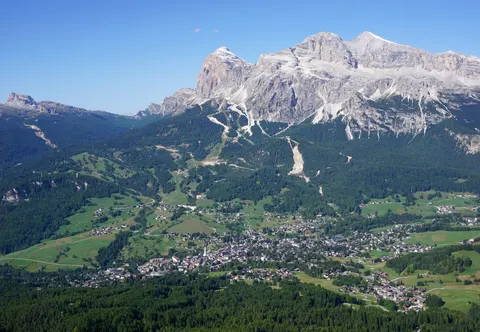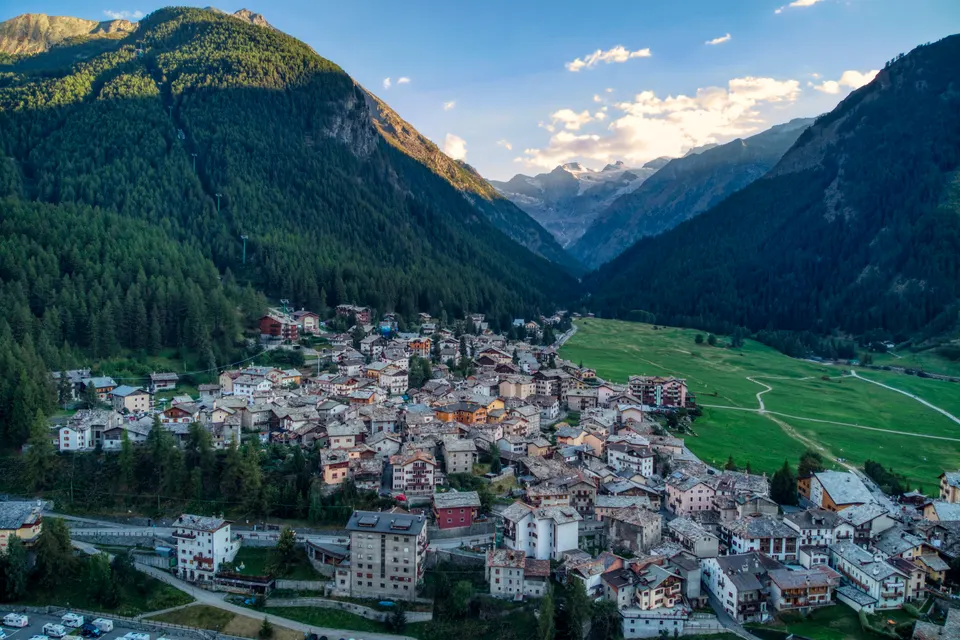

Cogne is a town and comune in the Aosta Valley of northern Italy, and the largest municipality in the region. It lies in the valley of the same name, along a stream called the Torrent Grand Eyvia, and four valleys meet around its town centre. The population of Cogne comes from the Arpitan valleys of Piedmont, and the St Ursus Meadow at the southern edge of the town is protected from construction.
Cogne is in Aosta Valley, Italy, and has a population of about 767.
Why go to Cogne?
Cogne is a mountain town for walkers and wildlife watchers. Ibex, wild goats, marmots and royal eagles are easy to see, and many walks and hikes of different levels lead to lakes and waterfalls. The Pont d'Aël is a Roman aqueduct, now a footbridge over the Cogne valley, more than 60 metres above the bottom. The Paradisia Alpine Botanical Garden shows the plants of high altitude. Until the late twentieth century the town was a mining centre for iron ore, carried to the steel plant in Aosta by a narrow gauge railway.
When is the best time to visit Cogne?
July is the warmest, with highs of about 19 °C, and January and December are the coolest, at about -2 °C. January, February and December are the time for skiing. For nature and hiking trips, go in June, July and August.
How do I get to Cogne without flying?
Cogne has one direct link, by bus. Counting connections, 1,957 destinations can reach it within 14 hours without flying. Travelling from Aosta, allow 1h 00m by bus; that is about 0.4 kg of CO₂ per person.
What to do in Cogne
Pont d'Aël
A Roman aqueduct, now a footbridge over the Cogne valley, more than 60 metres above the bottom.
Paradisia Alpine Botanical Garden
An alpine botanical garden in the town.
St Ursus Meadow
A large meadow at the southern edge of the town centre, where the municipal statute forbids any construction works.