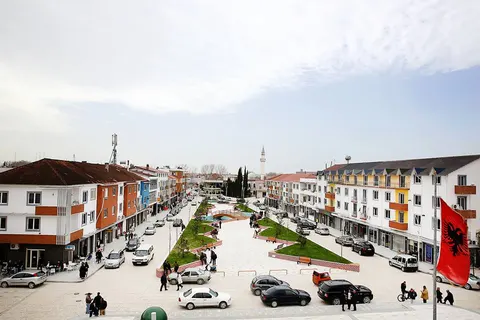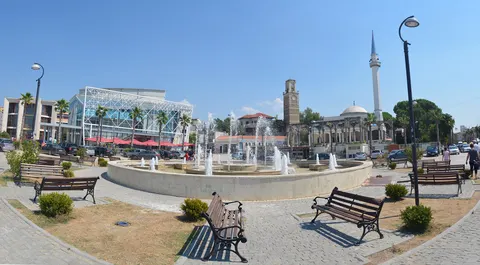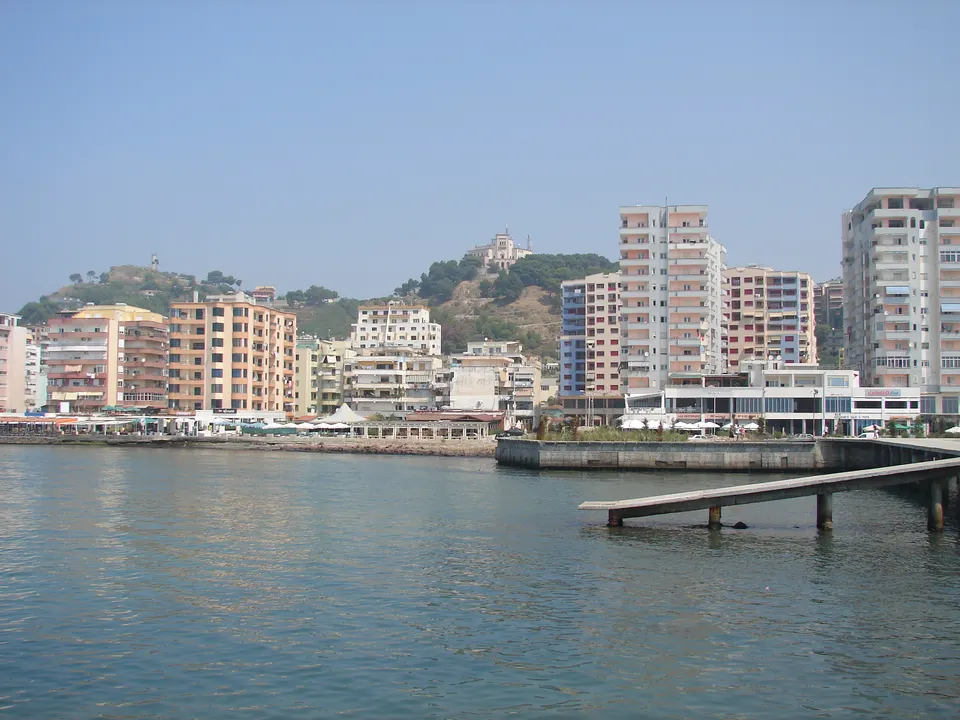

Durrës is the second most populous city of Albania, on a flat plain along the Adriatic coast between the mouths of the Erzen and Ishëm rivers. It is one of the country's oldest continuously inhabited cities, founded by Greek colonists as Epidamnos. Its port is one of the largest on the Adriatic, and its transport links and industry give the city a leading economic position in Albania.
With about 196,000 inhabitants, Durres lies in Durrës County, Albania.
Why go to Durres?
Durrës is best known for its amphitheatre, which once seated 20,000 people and is the largest in the Balkan Peninsula. The Durrës Archaeological Museum sits near the beach and holds Roman funeral steles, stone sarcophagi and The Beauty of Durrës, a colourful elliptical mosaic. Byzantine walls remain just north of the museum. Modernist blocks of flats, new shopping centres and green spaces make up the newer parts of the city, which still show Illyrian, Greek, Roman and Italian influence. The city is also a centre of Albanian theatre and music, with its philharmonic orchestra and the Aleksandër Moisiu Theatre.
When is the best time to visit Durres?
Average highs range from 12 °C in January and February to 26 °C in August. June, July and August are the time for beach holidays. For city breaks, any month of the year works.
How do I get to Durres without flying?
Direct bus or ferry services link Durres with 9 destinations. Allowing for changes, 222 destinations are no more than 14 hours away without flying. Bari is 9h 00m away by ferry with Adria Ferries, with about 15 kg of CO₂ per person against 28 kg for the flight, 46% less. The bus from Tirana takes 48 min; that is about 1 kg of CO₂ per person. From Kavajë, it takes 30 min by bus, with about 0.5 kg of CO₂ per person.
What to do in Durres
Amphitheatre of Durrës
The largest amphitheatre in the Balkan Peninsula, on Albania's tentative list for UNESCO listing.
Durrës Archaeological Museum
The largest archaeological museum in Albania, with Illyrian, Greek and Roman finds from the nearby ancient site.
Byzantine walls
Sixth-century walls north of the museum, built after the Visigoth invasion.
Royal Villa of Durrës
A museum in the city, one of several beyond the main archaeological collection.