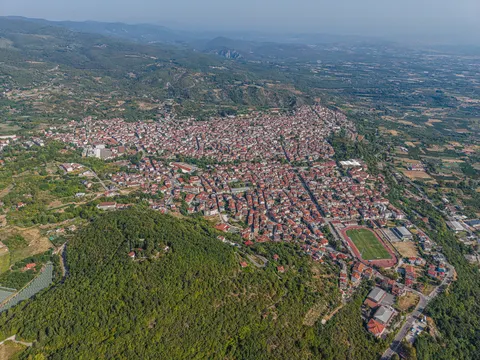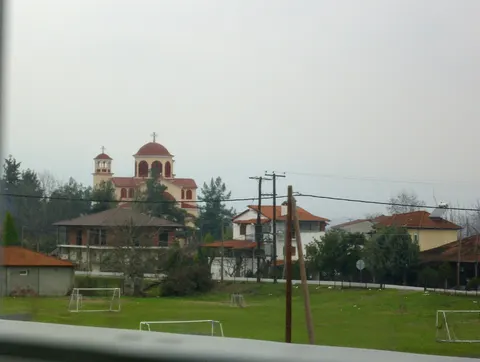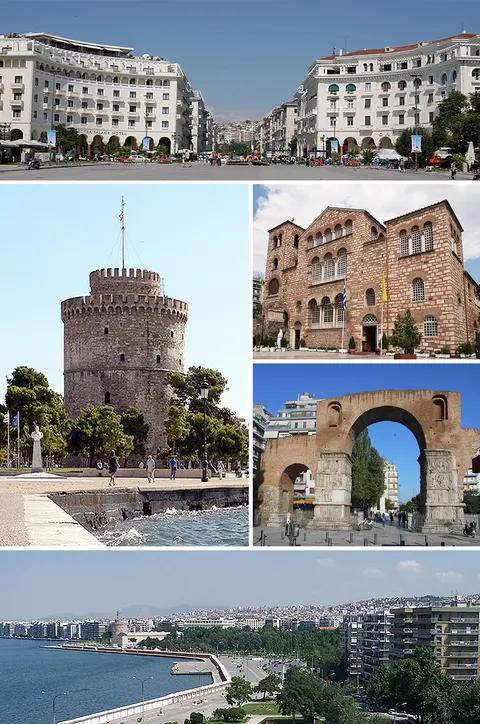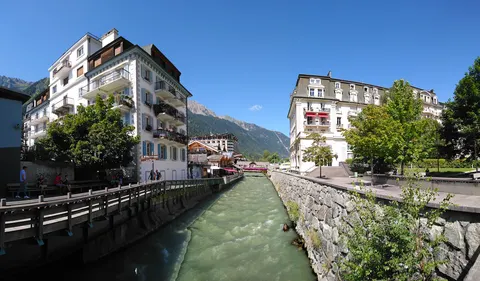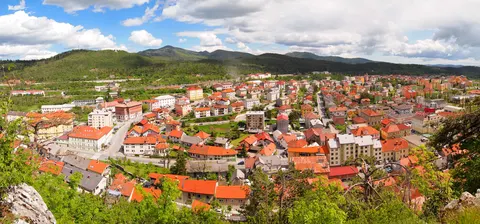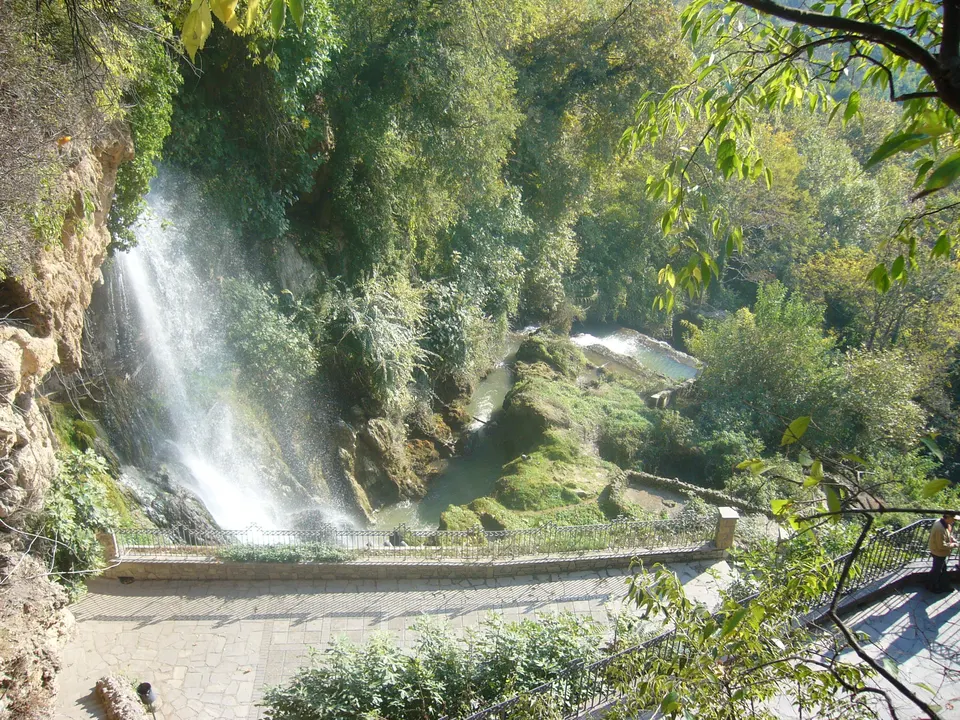

Edessa is a city in northern Greece and the capital of the Pella regional unit in Central Macedonia. Known as Vodena until 1923, it stands where the Via Egnatia enters the Pindus mountains. Textile factories made it one of Greece's industrial centres until the middle of the 20th century. Today its economy rests mainly on services and tourism, and several departments of the University of Macedonia are based there.
About 19,000 people live in Édessa, in Central Macedonia, Greece.
Why go to Édessa?
Edessa's past reaches back to the origins of the Macedonian kingdom. Ancient writers credit Caranus, the legendary founder of the Argead dynasty, with making the city the first capital of ancient Macedon, before the rulers moved their capital to Aegae and then to Pella. Archaeological remains of the ancient city lie just below the modern town, and walls and many buildings have been uncovered. Under the Byzantine Empire the city controlled the Via Egnatia where it enters the Pindus mountains and became a centre of medieval Greek culture, famed for its strong walls and fortifications. After 500 AD the city fades from the record until it reappears in the 11th century under its Slavic name, Vodena.
When is the best time to visit Édessa?
Expect daytime highs of about 31 °C in July, falling to 7 °C in January. If you are after nature and hiking trips, aim for April, May and October.
How do I get to Édessa without flying?
You can get to Édessa without changing from 3 destinations, by bus or train. With changes, Édessa is within 14 hours of 182 destinations without flying. From Náousa, it takes 30 min by bus, with about 0.5 kg of CO₂ per person. Travelling from Flórina, allow 1h 10m by train with TRAINOSE SA; that is about 0.5 kg of CO₂ per person. Alexándreia is 49 min away by train with TRAINOSE SA, with about 0.4 kg of CO₂ per person.
What to do in Édessa
Ancient Edessa
The archaeological remains of the ancient city lie just below the modern town, where walls and many buildings have been unearthed.
Roman colonnade
A colonnade from Roman times that carries an inscription in Greek.