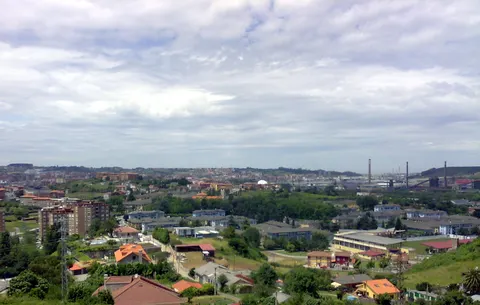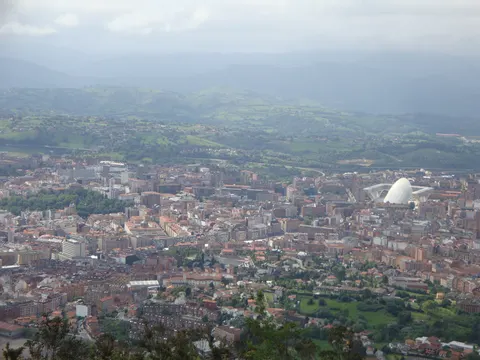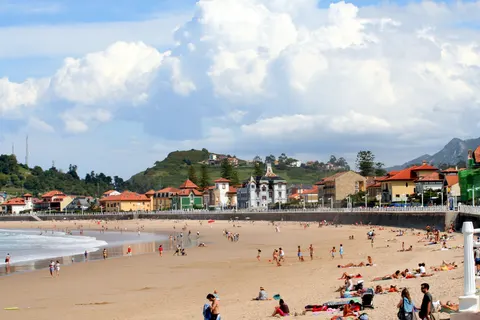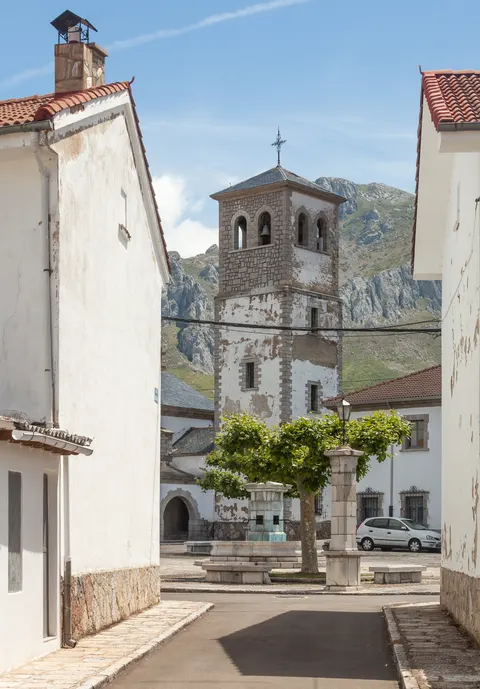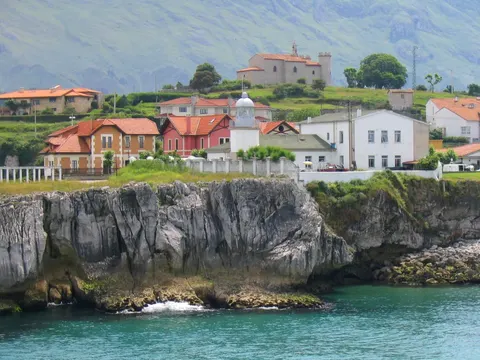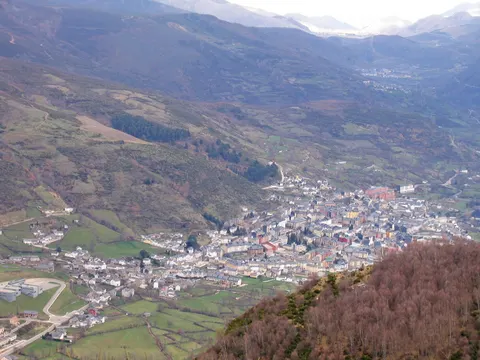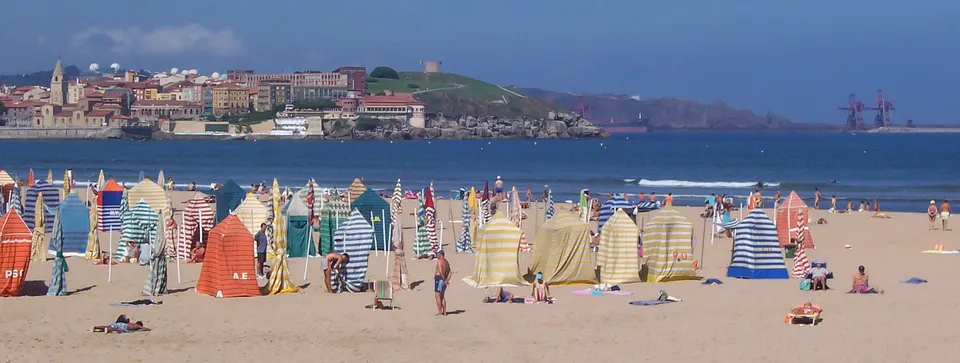

On a first walk through Gijón, the seafront and the beaches are close to the centre, and the port and the old palaces sit in the same stretch of the town. Gijón, also called Xixón, is a city and municipality in the north-west of Spain, and it is the largest city by population in Asturias. The town is a coastal city in its own right, with a long shore and a palace near the front.
About 272,000 people live in Gijon, in Asturias, Spain, and its station is a rail hub.
Why go to Gijon?
Gijón suits a City & Culture trip with beaches, museums and a palace in one place. The Playa de Poniente, the San Lorenzo Beach, the Playa del Arbeyal and the Playa de El Rinconín are the beaches of the town, and they give it a long coastal side. The Revillagigedo Palace is the palace among the sights, and the Universidad Laboral de Gijón is a grand building to see. The International Bagpipe Museum, the Juan Barjola Museum of Painting, the Museum of the Asturian People and the Aquarium of Gijón fill out the museum side of the trip, and the walk between them keeps the sea in view.
When is the best time to visit Gijon?
Expect daytime highs of about 22 °C in August, falling to 12 °C in January. For city breaks, any month of the year works.
How do I get to Gijon without flying?
You can get to Gijon without changing from 3 destinations, by bus or train. With changes, Gijon is within 14 hours of 504 destinations without flying. From Madrid, it takes 5h 00m by train with Renfe, with about 6 kg of CO₂ per person against 88 kg for the flight, 93% less. Travelling from Santander, allow 2h 30m by bus with ALSA; that is about 3 kg of CO₂ per person. Oviedo is 24 min away by train with RENFE OPERADORA, with about 0.2 kg of CO₂ per person.
What to do in Gijon
San Lorenzo Beach
The San Lorenzo Beach is the town's main city beach, and the walk along the seafront from it links the other beaches of the town.
Revillagigedo Palace
The Revillagigedo Palace is one of the grand buildings of the town, and it gives the centre a civic and historic weight.
Museum of the Asturian People
The Museum of the Asturian People covers the region's history and culture, a museum that explains the place beyond its beaches.
International Bagpipe Museum
The International Bagpipe Museum is one of the named museums in town, and it is an unusual stop among the beaches and the palaces.