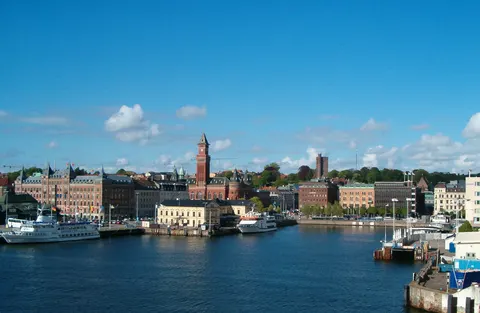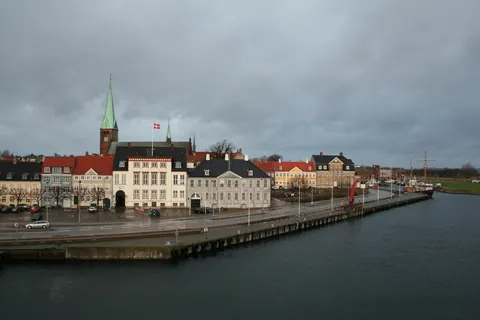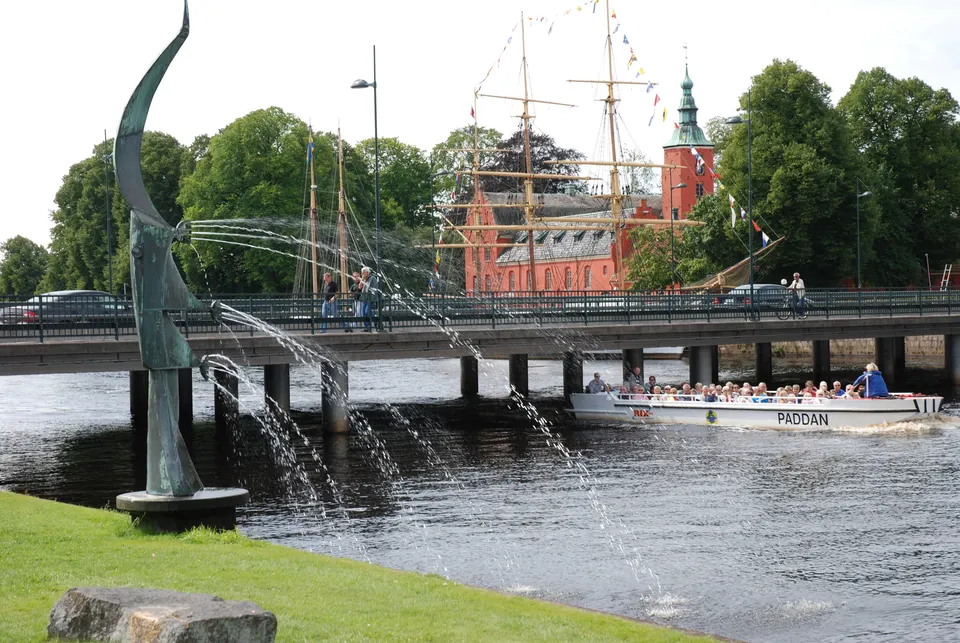

Halmstad is a port, university and industrial city at the mouth of the Nissan River on Sweden's west coast, and the capital of Halland County. It received its city charter in 1307 and lies about midway between Gothenburg and Malmö. Parts of its old fortifications, including one of the city gates, have survived. The town has a long industrial past, and its breweries and foundries were among its first major enterprises.
Halmstad, in Halland, Sweden, is home to about 70,000 people and works as a rail hub.
Why go to Halmstad?
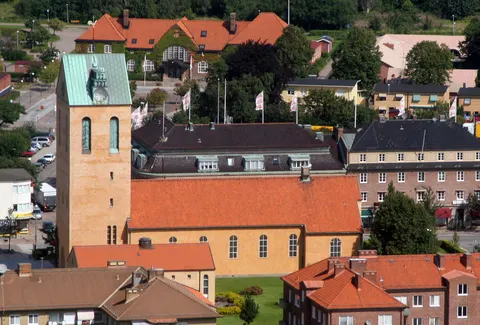
Halmstad mixes old and recreational character. Norre Port is the surviving city gate from the old fortifications, and St. Nikolai church was built in the late Middle Ages. The castle was the setting for a 1619 meeting of Gustav II Adolf and Christian IV, who celebrated the payment of the Älvsborg ransom there. The Riksdag met in the town in 1678. Its history of battles, sieges and occupations is visible in the old buildings and the surviving gate.
When is the best time to visit Halmstad?
In July the average high reaches 21 °C; in January and February it is closer to 2 °C.
How do I get to Halmstad without flying?
Halmstad has direct bus or train links to 6 destinations. Within 14 hours, travellers from 550 destinations can get here without flying. The train from Gothenburg with Öresundståg takes 58 min; that is about 0.3 kg of CO₂ per person. Malmö is 1h 35m away by bus with FlixBus, with about 3.2 kg of CO₂ per person. Travelling from Borås, allow 1h 53m by train with VR Snabbtåg; that is about 0.2 kg of CO₂ per person.
What to do in Halmstad
Norre Port
The surviving city gate of the old fortifications, one of the four gates of the town walls.
St. Nikolai church
A church built in the late Middle Ages, in the town centre.
Övraby
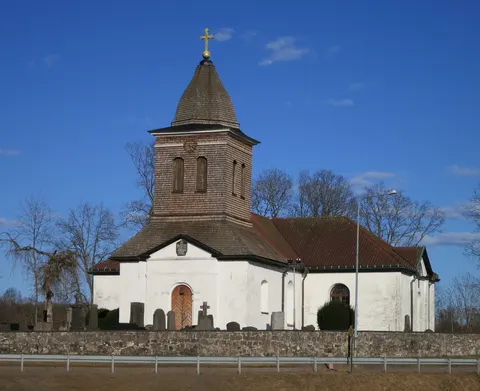
The remains of the first town, upstream on the Nissan, near the old church ruins between a brick works and a former landfill.