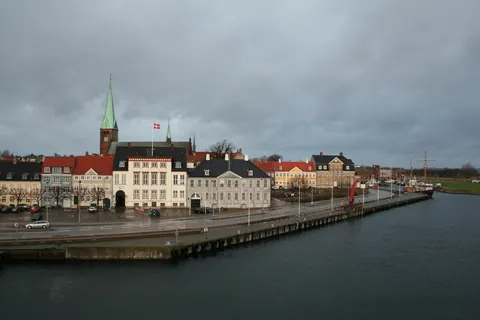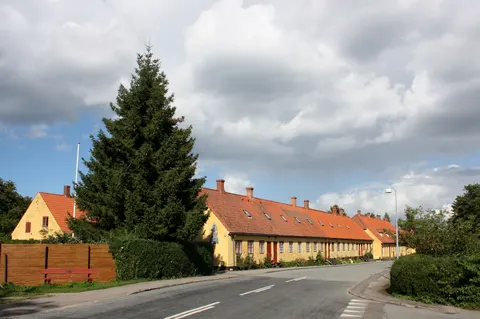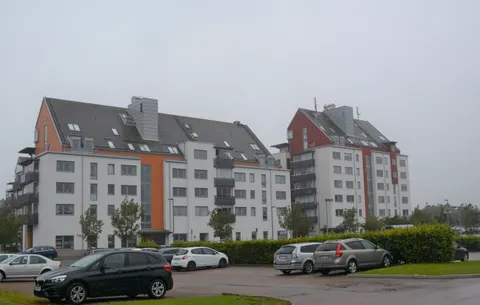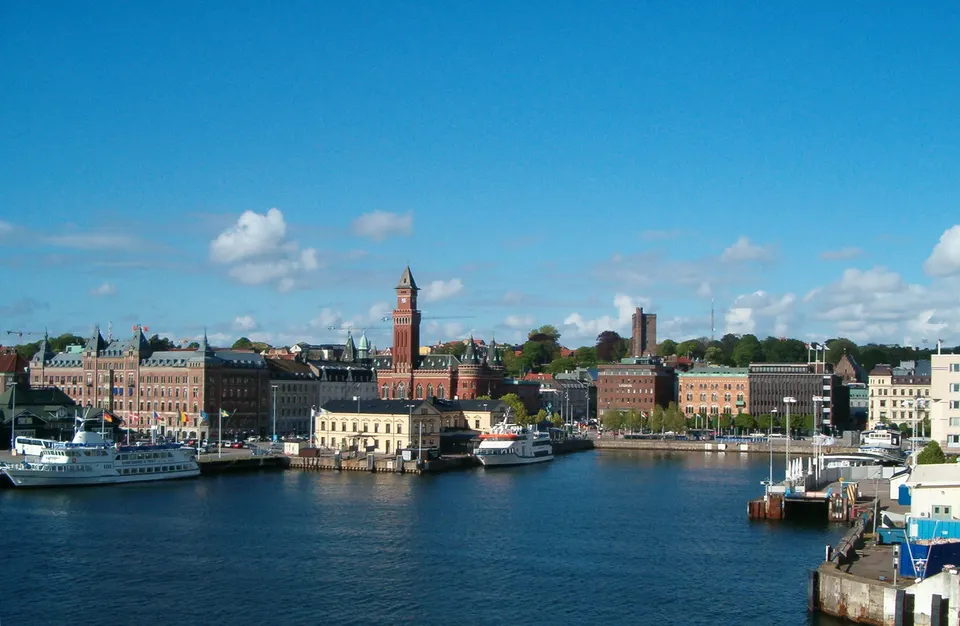

Helsingborg is the second-largest city in Scania, the southern province of Sweden, and the central urban area of northwestern Scania. It sits at the narrowest point of the Øresund, and the Danish city of Helsingør is clearly visible across the strait. The old town is a scenic coastal city, blending old stone churches and a medieval fortress with modern commercial buildings. Its streets run from wide avenues to narrow alleys.
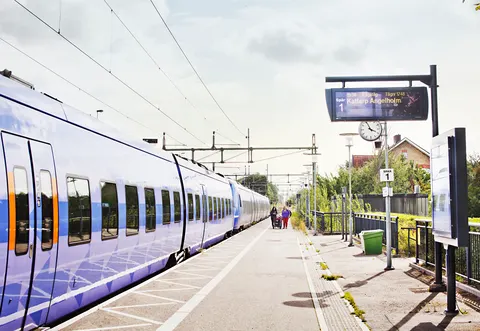
Helsingborg is in Skåne, Sweden, and has a population of about 104,000; it is also a rail hub.
Why go to Helsingborg?
Kärnan, a medieval fortress, stands in the city centre among the old stone churches. The strait's history shaped the town: Denmark levied the Sound Dues on trading vessels passing between Helsingør and Helsingborg, and after the Dano-Swedish War and the Treaty of Roskilde the town became part of Sweden. Jean-Baptiste Bernadotte, later King Charles XIV John, first set foot on Swedish soil here on his way to Stockholm. Kullagatan, the main pedestrian shopping street, was the first of its kind in Sweden. A train ferry once linked the city with its Danish sister city of Helsingør.
When is the best time to visit Helsingborg?
July is the warmest, with highs of about 21 °C, and January and February are the coolest, at about 2 °C. City breaks work best in May, June and August.
How do I get to Helsingborg without flying?
From 14 destinations you can travel to Helsingborg directly by bus, ferry or train. Counting connections, 860 destinations can reach it within 14 hours without flying. Travelling from Gothenburg, allow 2h 30m by bus with VY Bus4You; that is about 5.1 kg of CO₂ per person, 88% less than the 44 kg of a flight. From Malmö, it takes 50 min by bus with FlixBus, with about 1.4 kg of CO₂ per person. The train from Halmstad with Öresundståg takes 35 min; that is about 0.1 kg of CO₂ per person.
What to do in Helsingborg
Kärnan
A medieval fortress in the city centre, about 600 years old.