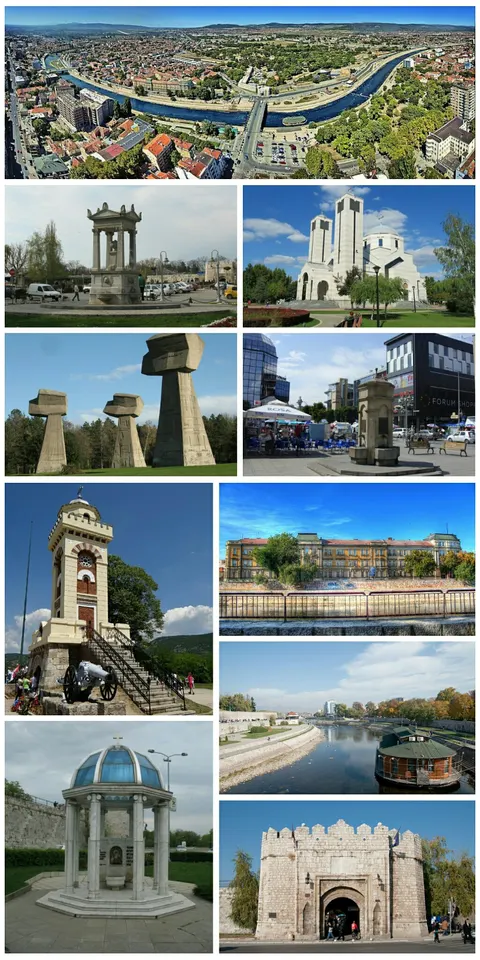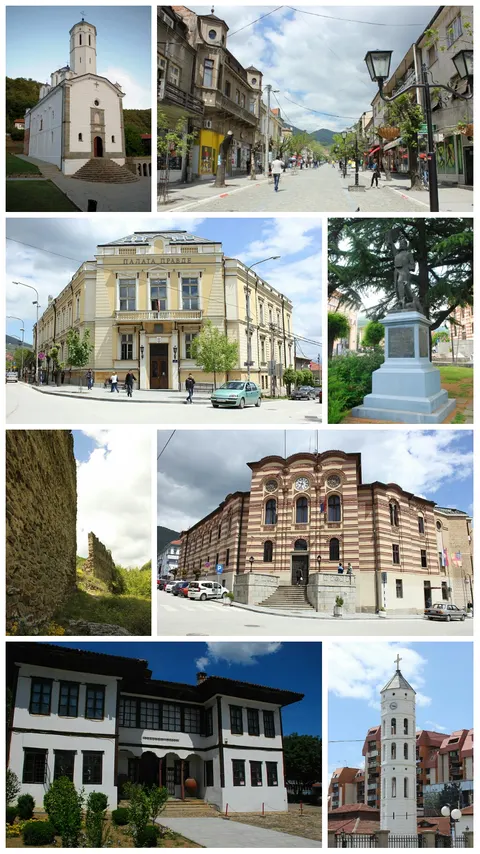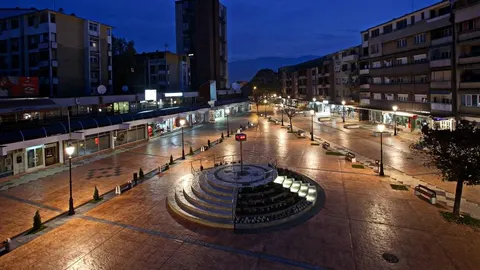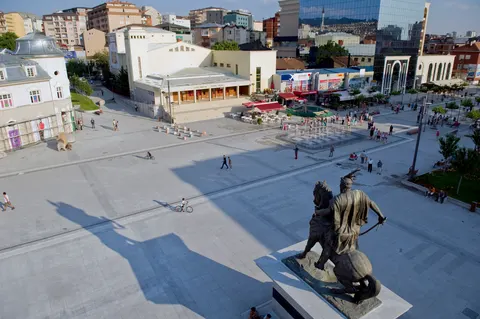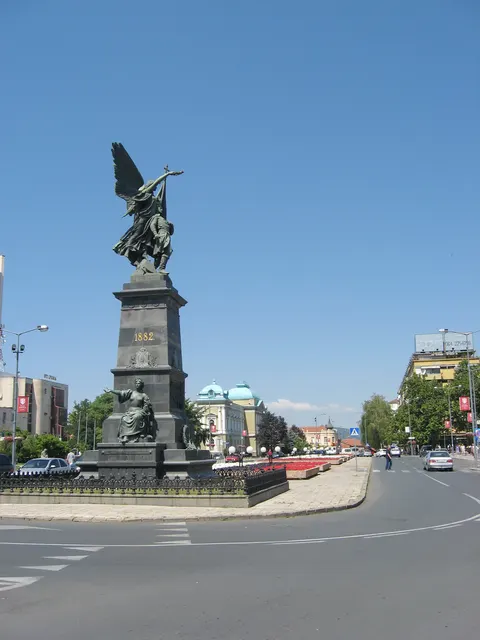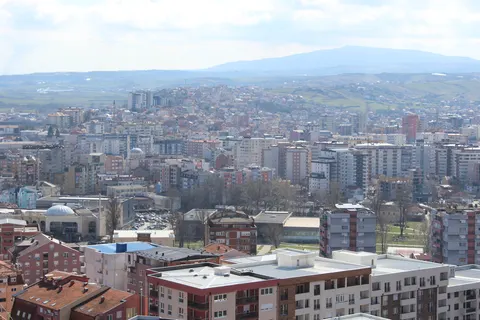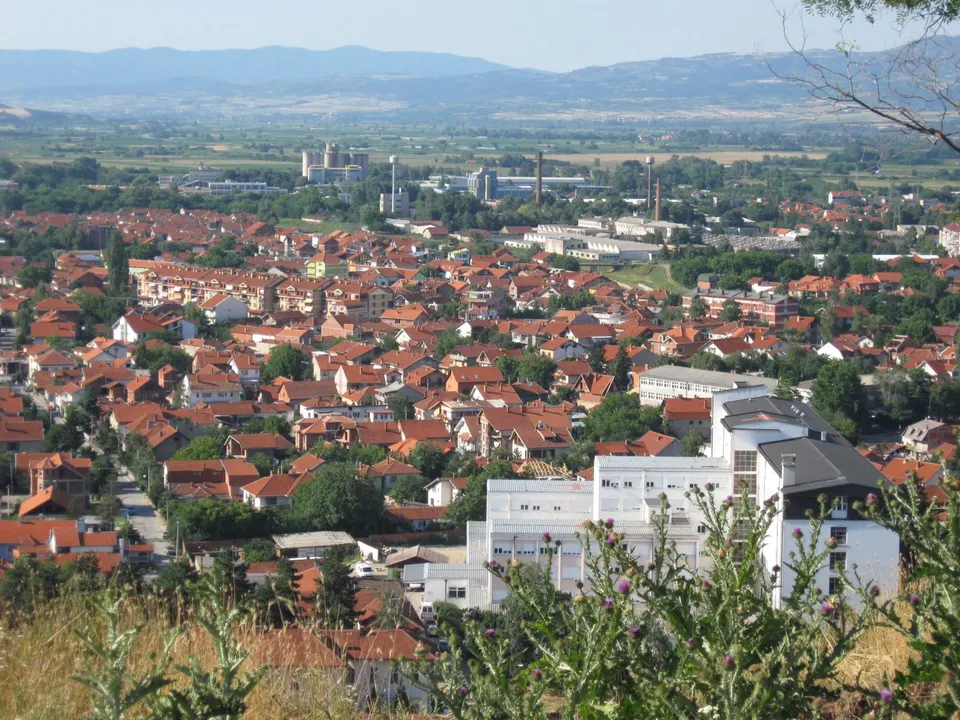

Leskovac is a city and the administrative centre of the Jablanica District in southern Serbia. It sits in the Leskovac Depression, a fertile basin near the point where the small Veternica river meets the South Morava. The town was first mentioned during the reign of Stefan Dušan, and in Ottoman times it became an administrative centre and a notable craft and merchant town.
Leskovac is in Central Serbia, Serbia, and has a population of about 95,000; it is also a rail hub.
Why go to Leskovac?
Food is as much part of Leskovac as its setting. The city is regarded as the meat capital, and each year a six-day grill festival showcases its specialties, including pljeskavica, ćevapi, mućkalica, rotisserie meats and paprika. Its textile industry grew after liberation in the late 19th century and made the town the third largest urban area in the state. The basin around it is wide, with mountains such as Radan and Suva Planina at its edges, and the South Morava is the largest river of the region.
When is the best time to visit Leskovac?
July and August are the warmest, with highs of about 29 °C, and January is the coolest, at about 5 °C.
How do I get to Leskovac without flying?
From 2 destinations you can travel to Leskovac directly by bus or train. Counting connections, 185 destinations can reach it within 14 hours without flying. Travelling from Vranje, allow 1h 00m by train with Srbijavoz; that is about 0.5 kg of CO₂ per person. From Dimitrovgrad, it takes 2h 30m by bus, with about 1.8 kg of CO₂ per person.
What to do in Leskovac
Church of the Holy Trinity of Leskovac
A church in Leskovac.
Find tours and tickets: Church of the Holy Trinity of Leskovac
Saint Paraskeva church in Kumarevo
A church in Leskovac.
Travel on from Leskovac
Direct links run to Vranje and Dimitrovgrad.