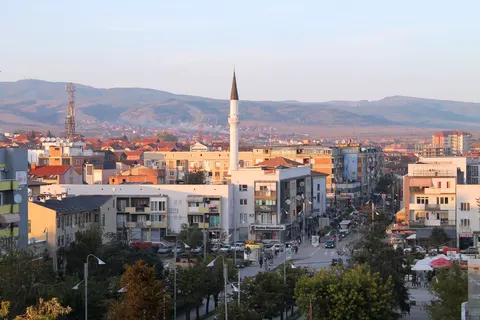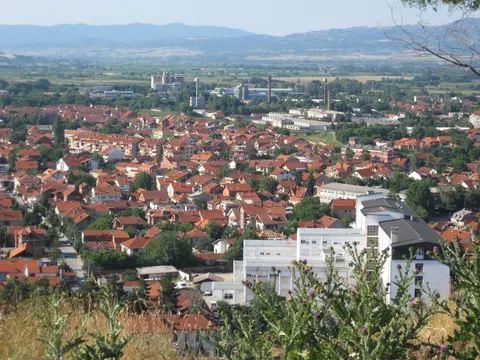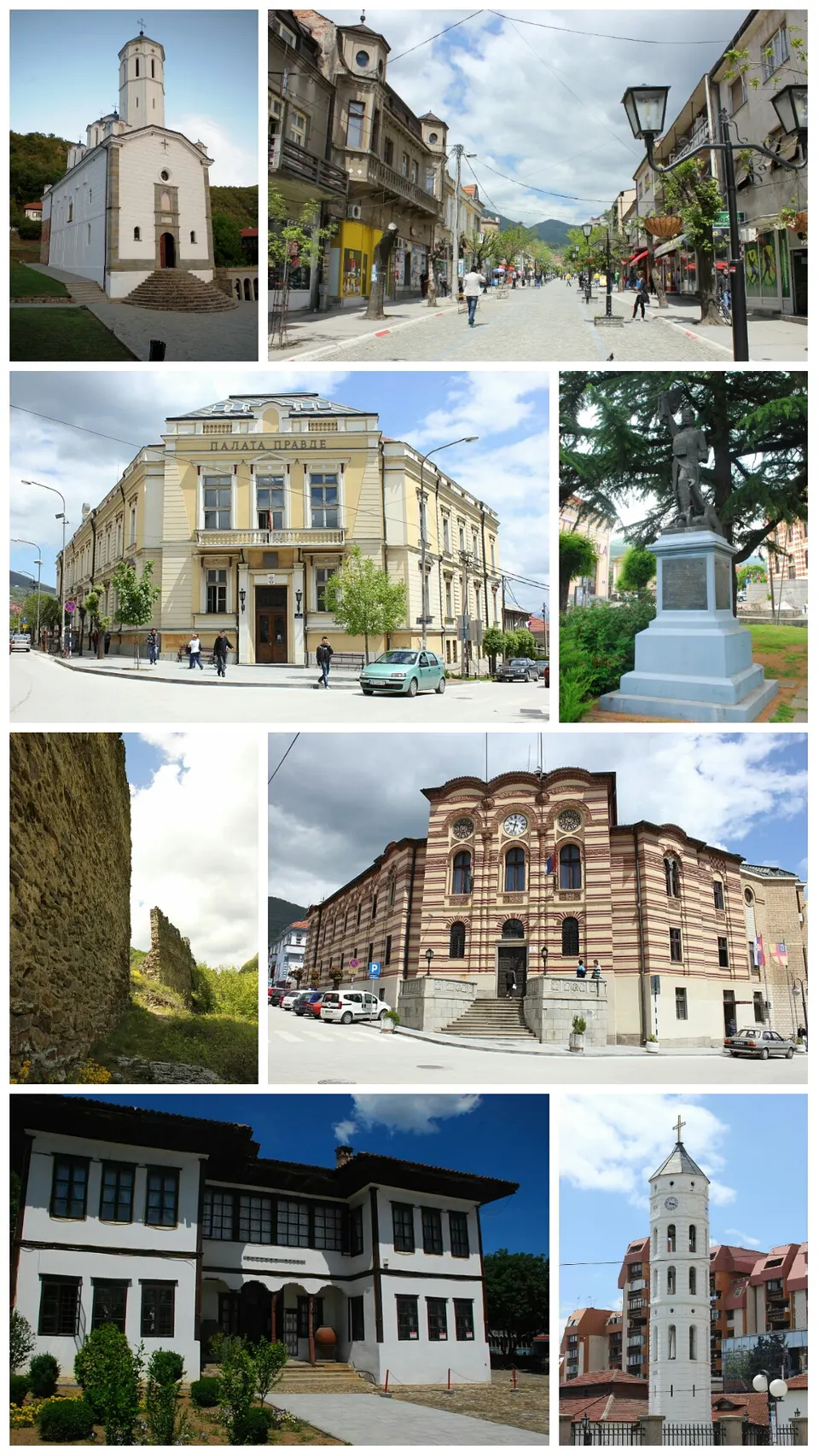

Vranje is a city in southern Serbia and the administrative centre of the Pčinja District. It is the economic, political and cultural centre of the district, and it lies on the Pan-European Corridor X near the borders with North Macedonia, Kosovo and Bulgaria. In 2019 it became the first city in the Balkans to be declared a UNESCO City of Music.
Vranje, in Central Serbia, Serbia, is home to about 56,000 people and works as a rail hub.
Why go to Vranje?
Vranje is known for its old music, which has roots in the theatre piece Koštana by Bora Stanković, set in the city. This music has been renewed in a more oriental form with brass instruments, played especially by the Vranje Romani people. The White Bridge is a symbol of the city and is tied to a tale of forbidden love. The city keeps traditional Balkan and Ottoman architecture, and the 11th-century Markovo Kale fortress stands in its north.
When is the best time to visit Vranje?
In July and August the average high reaches 28 °C; in January and December it is closer to 5 °C.
How do I get to Vranje without flying?
Vranje has direct bus or train links to 9 destinations. Within 14 hours, travellers from 201 destinations can get here without flying. The bus from Pristina takes 2h 30m; that is about 1.7 kg of CO₂ per person. Skopje is 3h 00m away by bus, with about 2 kg of CO₂ per person. Travelling from Leskovac, allow 1h 00m by train with Srbijavoz; that is about 0.5 kg of CO₂ per person.
What to do in Vranje
White Bridge
A symbol of the city, known as the lovers' bridge after a tale of forbidden love.
Markovo Kale
An 11th-century fortress in the north of the city.
National Museum
A museum in a former Pasha's residence built in 1765.
Prohor Pčinjski monastery
A monastery in the Pčinja area, one of the region's places with tourist potential.