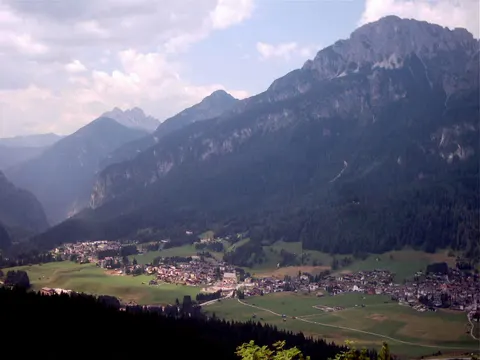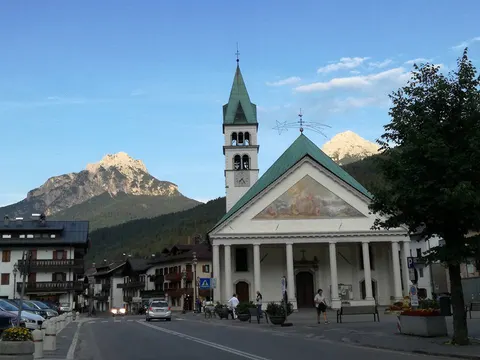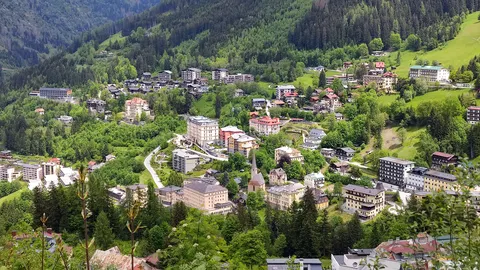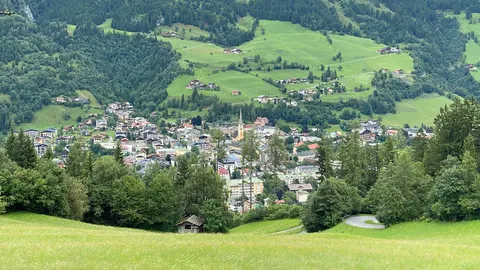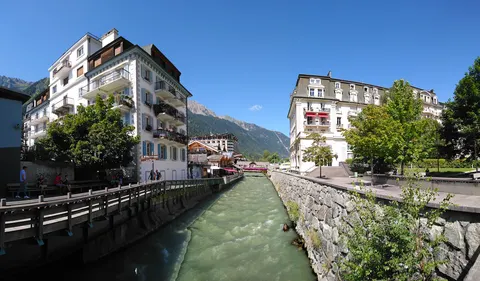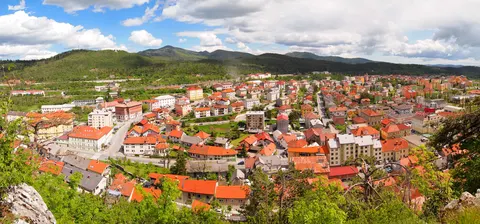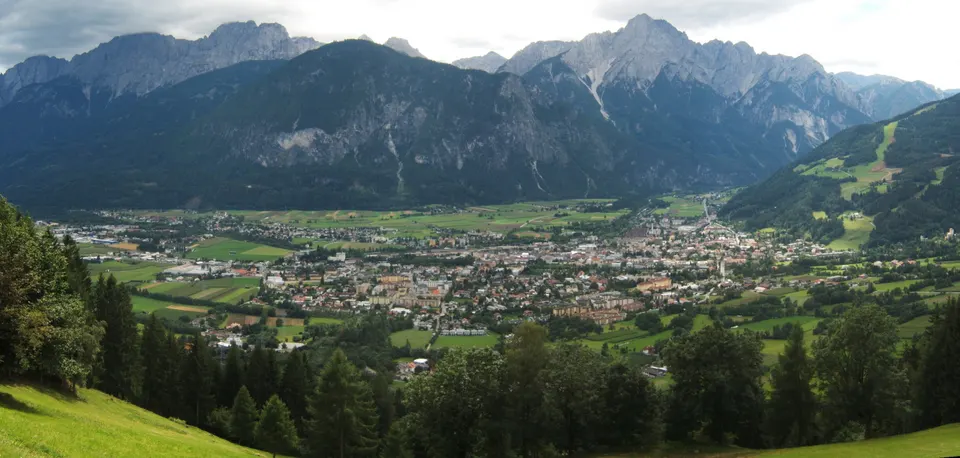

Lienz is a medieval town in the Austrian state of Tyrol and the administrative centre of the Lienz district, which covers all of East Tyrol. It lies where the rivers Isel and Drava meet in the Eastern Alps, between the Hohe Tauern range to the north and the Gailtal Alps to the south. The town was first mentioned around 1030, and it received city rights in 1242.
Lienz is in Tyrol, Austria, and has a population of about 12,000; it is also a rail hub.
Why go to Lienz?
Lienz sits in a setting shaped by water and mountains. It lies on one of the largest alpine megafans, and the rivers Isel and Drava meet at the town. The Iselsberg Pass links Lienz with Winklern in Carinthia. Lienz was once on an important trade route from Venzone in Friuli to Salzburg, and it received city rights in the 13th century. The Counts of Görz chose it as a residence, and their castle, Burg Bruck, served as their local seat until their line died out. Under the Habsburgs the town lost its princely status and became a provincial town. Nearby, the Roman municipium of Aguntum was built by Emperor Claudius.
When is the best time to visit Lienz?
July and August are the warmest, with highs of about 23 °C, and January is the coolest, at about 2 °C. For nature and hiking trips, go in May, June and September.
How do I get to Lienz without flying?
From 7 destinations you can travel to Lienz directly by bus or train. Counting connections, 2,131 destinations can reach it within 14 hours without flying. Travelling from Sappada, allow 1h 15m by bus; that is about 0.8 kg of CO₂ per person. From Spittal an der Drau, it takes 49 min by train with OEBB Personenverkehr AG Kundenservice, with about 0.4 kg of CO₂ per person. The bus from Sesto takes 45 min; that is about 0.9 kg of CO₂ per person.
What to do in Lienz
Schloss Bruck
A castle in Lienz.
Nature and hiking trips in Lienz
September is the ideal month for nature and hiking trips, with average highs of 19 °C.
Travel on from Lienz
Direct links run to Sappada, Spittal an der Drau and Sesto.