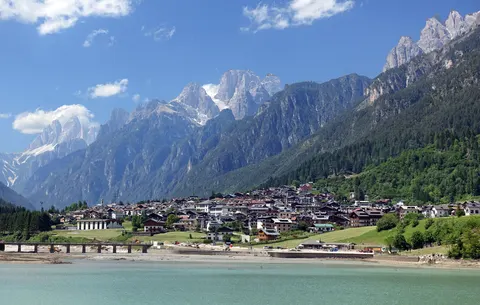
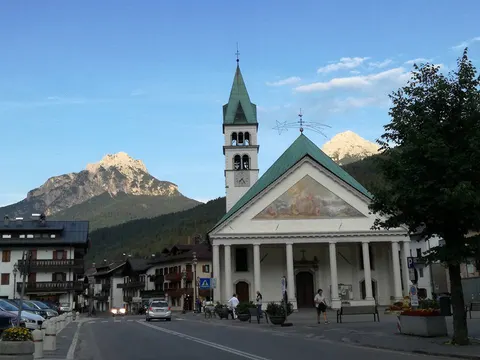
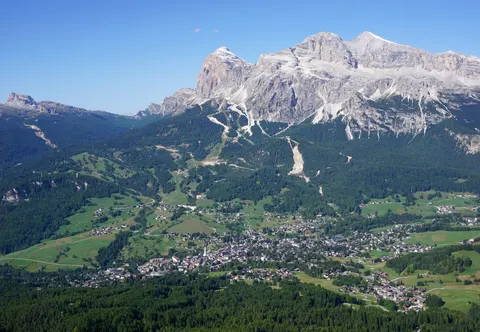
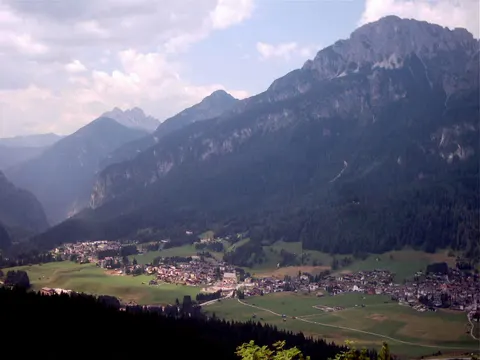
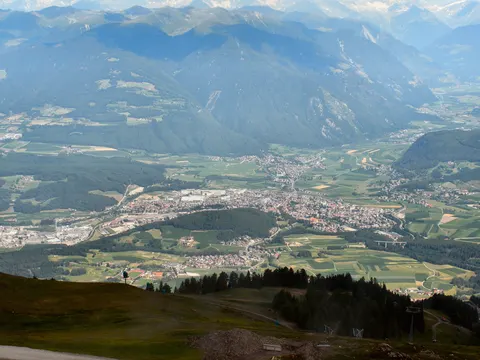
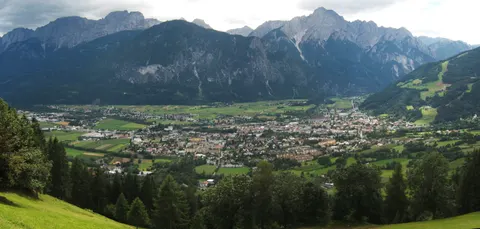
Sesto, known in German as Sexten, is a comune and village in South Tyrol in northern Italy. It sits in a branch of the Puster Valley, near Innichen and Toblach, where the Drava river rises. The village is a summer and winter sports resort in the mountains, and its name comes from the Latin ad horam sextam, meaning at the sixth hour.
Sesto, in Trentino-Alto Adige, Italy, is home to about 902 people.
Why go to Sesto?
The main draw is the mountain setting. To the south lie the Sexten Dolomites and their nature park, which takes in the Drei Zinnen, known in Italian as Tre Cime di Lavaredo. The district borders East Tyrol in Austria to the north, with the Carnic Alps forming the border. In the First World War the village lay on the front line between Italy and the Austro-Hungarian Empire, and it suffered much damage. Italy occupied the area in November 1918, and by 1920 the village had passed under Italian sovereignty.
When is the best time to visit Sesto?
In July the average high reaches 20 °C; in January and December it is closer to -1 °C. If you are after skiing, aim for January, February and December. Nature and hiking trips work best in June, July and August.
How do I get to Sesto without flying?
Sesto has direct bus or train links to 8 destinations. Within 14 hours, travellers from 2,004 destinations can get here without flying. The bus from Cortina d'Ampezzo takes 1h 00m; that is about 0.7 kg of CO₂ per person. Brunico is 1h 00m away by train, with about 0.4 kg of CO₂ per person. Travelling from Sappada, allow 1h 00m by bus; that is about 0.8 kg of CO₂ per person.
What to do in Sesto
Drei Zinnen
The three peaks known in German as Drei Zinnen and in Italian as Tre Cime di Lavaredo, in the nature park south of the village.
Sexten Dolomites Nature Park
A nature park that includes the Sexten Dolomites, to the south of the village.