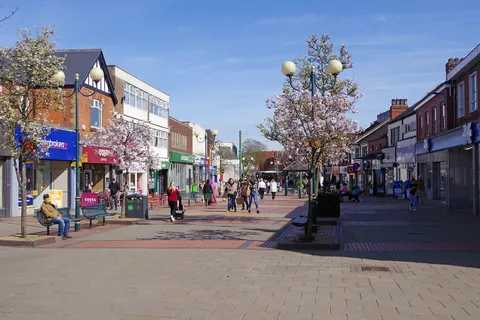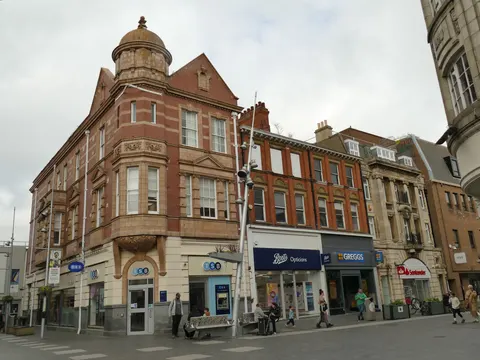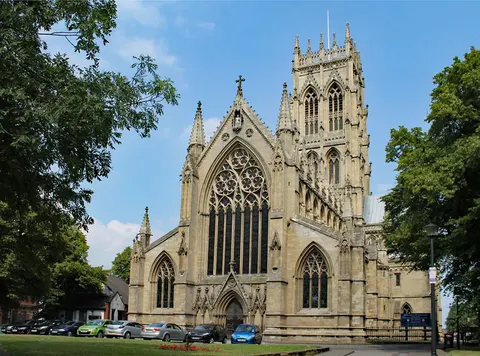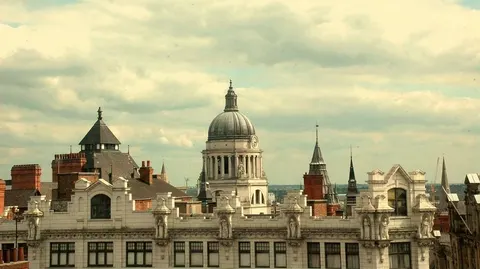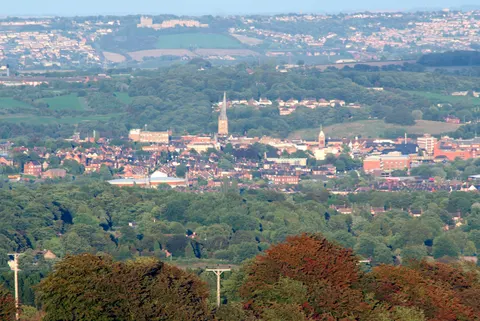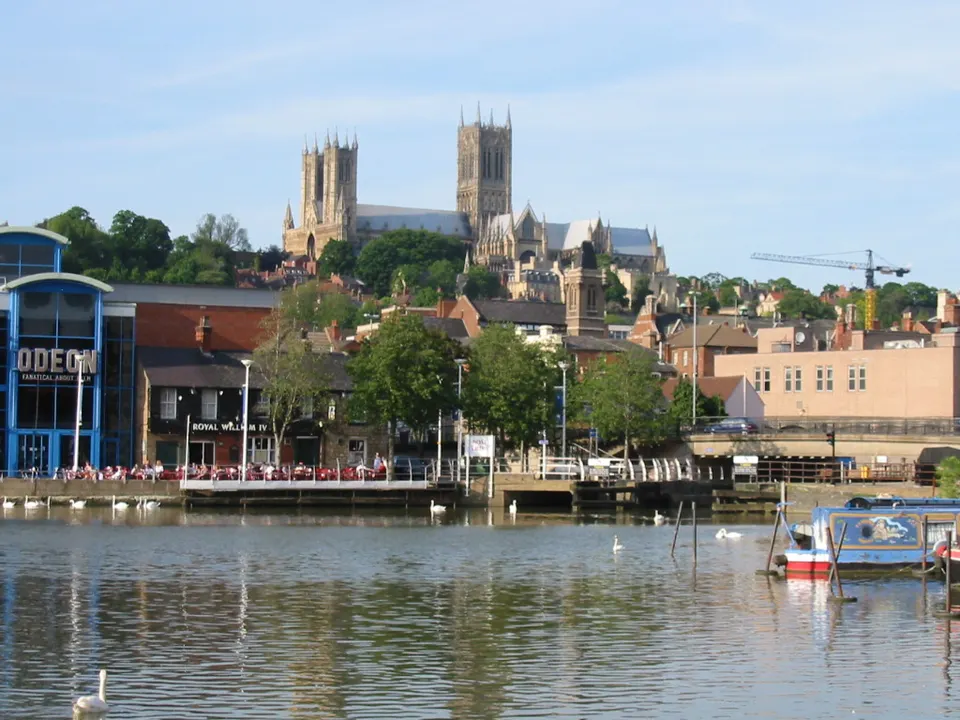

Lincoln is a cathedral city and the county town of Lincolnshire, in eastern England. The River Witham runs through a gap in the Lincoln Cliff escarpment, and the city climbs the hill above the river. Its skyline is shaped by the cathedral, which was for over 200 years the tallest building in the world, and by the 11th-century Norman castle on the hill.
About 104,000 people live in Lincoln, in England, United Kingdom, and its station is a rail hub.
Why go to Lincoln?
Lincoln is a tourist centre for its historic buildings, which include the cathedral, the castle and the medieval Bishop's Palace. The Collection, which includes the Usher Gallery, is one of the region's major attractions and holds material from official archaeological excavations in Lincolnshire. The Museum of Lincolnshire Life and the International Bomber Command Centre add to the list. For decades the annual Christmas market filled the castle grounds, drawing a quarter of a million visitors at its height.
When is the best time to visit Lincoln?
Expect daytime highs of about 21 °C in July and August, falling to 7 °C in January, February and December. For city breaks, any month of the year works.
How do I get to Lincoln without flying?
You can get to Lincoln without changing from 2 destinations, by bus or train. With changes, Lincoln is within 14 hours of 1,550 destinations without flying. From Nottingham, it takes 1h 00m by train with EMR, with about 1 kg of CO₂ per person. Travelling from Kingston upon Hull, allow 2h 00m by bus; that is about 1.6 kg of CO₂ per person.
What to do in Lincoln
Lincoln Cathedral
An English Gothic cathedral on the hill, for over 200 years the tallest building in the world. It dominates the city's skyline.
Lincoln Castle
A Norman castle on Castle Hill, built in the 11th century, above the River Witham.
The Bishop's Palace
A medieval palace that is one of the historic buildings in the cathedral area.
The Collection
A museum that includes the Usher Gallery and holds finds from official archaeological excavations in Lincolnshire.