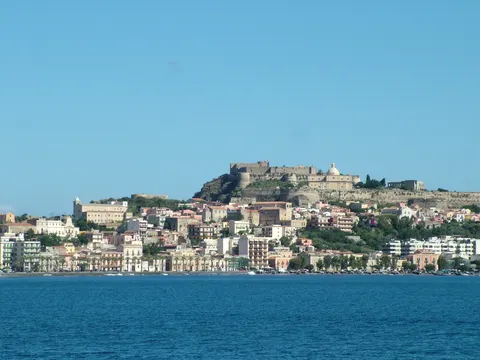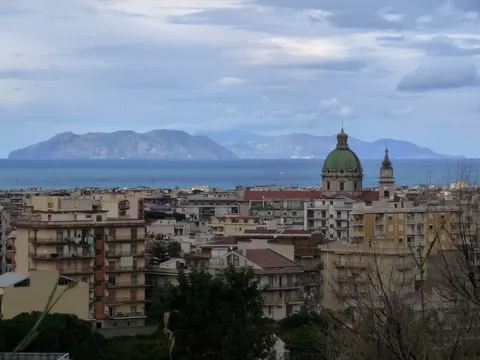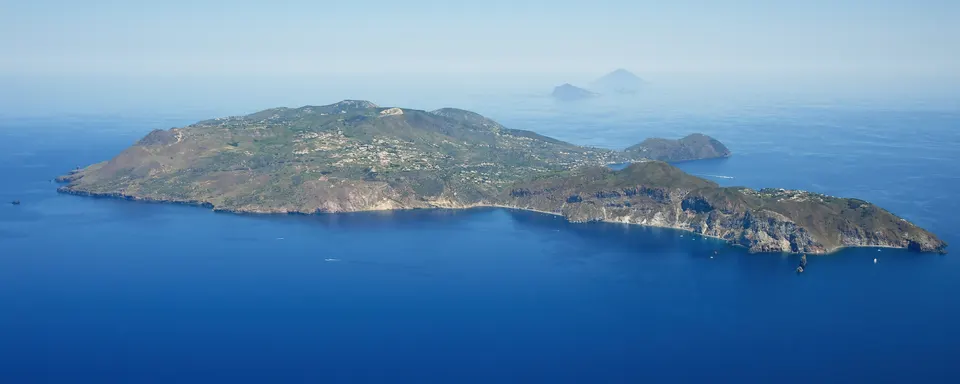

Lipari is the largest of the seven Aeolian Islands, a volcanic archipelago in the Tyrrhenian Sea off the northern coast of Sicily. The island also gives its name to the comune's main town, and the municipality includes six of the islands, among them Vulcano, Panarea and Stromboli. Lipari lies around 30 kilometres from Sicily, and in the summer tourist season its population swells considerably. The ancient geographer Strabo identified it with Aeolia, the island of the winds in Homer's Odyssey.
About 4,263 people live in Lipari, in Sicily, Italy.
Why go to Lipari?
Lipari's appeal lies in its volcanic landscape and its place in ancient stories. The island's archaeological museum covers the Aeolian Islands from prehistoric to classical times, along with vulcanology and the paleontology of the western Mediterranean. Virgil placed the den of the Cyclopes on the island, and the island's Feast of Saint Bartholomew marks the arrival of the apostle's remains. The white pumice slope that flowed into the sea is one of the island's striking features. The summit of Monte Chirica is the highest point on Lipari.
When is the best time to visit Lipari?
Expect daytime highs of about 27 °C in August, falling to 13 °C in February. If you are after beach holidays, aim for July, August and September. For city breaks, any month of the year works.
How do I get to Lipari without flying?
There are no direct train, bus or ferry links to Lipari yet. The trip planner can still look for a route with changes.
What to do in Lipari
Lipari's archaeological museum
A large museum covering the history of the Aeolian Islands from prehistoric to classical times.
Feast of Saint Bartholomew
An annual feast held on the day the saint's remains arrived on the island, in 580.
Monte Chirica
The highest point on the island, rising above the volcanic landscape of Lipari.