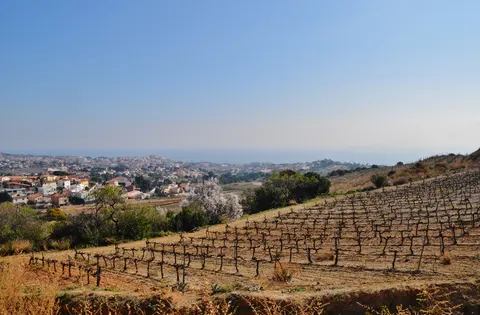
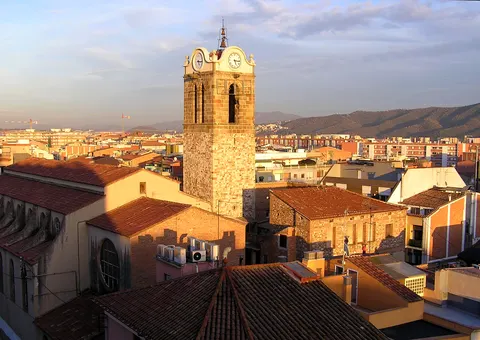
Mataró is the capital and largest town of the Maresme county in Catalonia, Spain. It lies on the Maresme coast, south of the Costa Brava and between Cabrera de Mar and Sant Andreu de Llavaneres. The town is about 30 kilometres northeast of Barcelona. It grew from a Roman village known as Iluro, and the N-II highway now follows the path of the original Roman road, the Via Augusta.
Mataro, in Catalonia, Spain, is home to about 127,000 people and works as a rail hub.
Why go to Mataro?
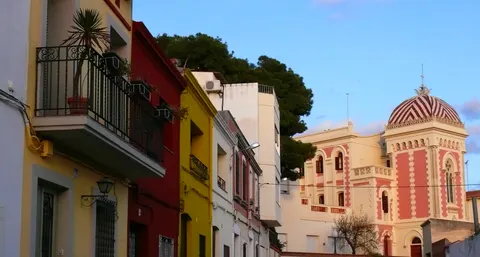
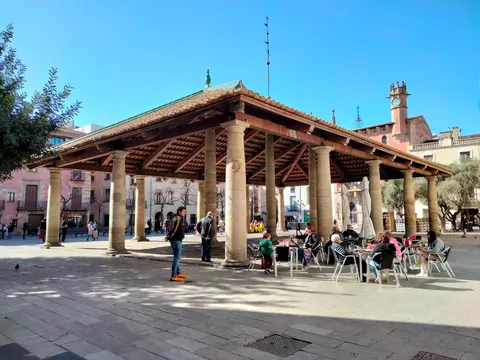
Mataró is worth a visit for its architecture. Josep Puig i Cadafalch, a noucentista architect, was born here and designed the town hall and several notable buildings, among them Casa Coll i Regàs, Casa Parera and Casa Sisternes. The Roman past is visible too, with the ruins of a bath house known locally as the Torre Llauder. The old city wall, designed by the military engineer Jorge de Setara, once had seven large gates and attached defensive towers. The first railway in peninsular Spain opened from Mataró to Barcelona in 1848, through the efforts of the Catalan businessman Miquel Biada, and in 1992 the town was the starting point for the Olympic marathon events.
When is the best time to visit Mataro?
In August the average high reaches 26 °C; in January and February it is closer to 12 °C. Beach holidays work best in July, August and September.
How do I get to Mataro without flying?
Mataro has direct train links to 2 destinations. Within 14 hours, travellers from 1,508 destinations can get here without flying. The train from Barcelona with Rodalies takes 36 min; that is about 1 kg of CO₂ per person. Blanes is 48 min away by train with Rodalies, with about 1 kg of CO₂ per person.
What to do in Mataro
Mataró City Wall
A wall built with small stones and lime mortar, with seven large gates and attached towers for defence.
Torre Llauder
The ruins of a Roman bath house, known locally by this name, which can be visited.
Roman villa of Can Llauder
The archaeological remains of a Roman villa lie near the town.