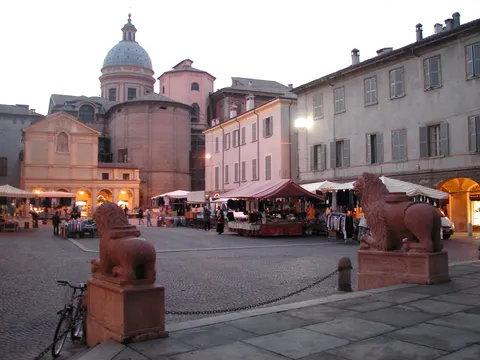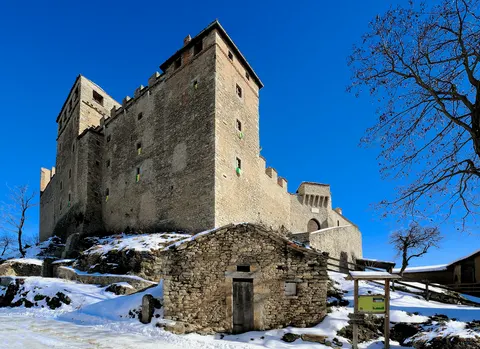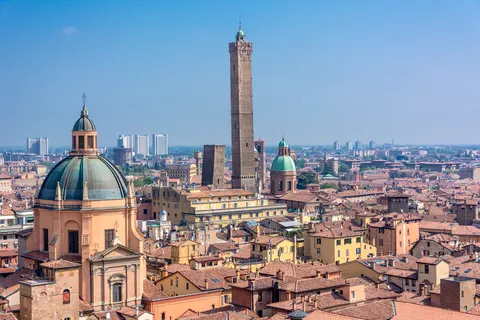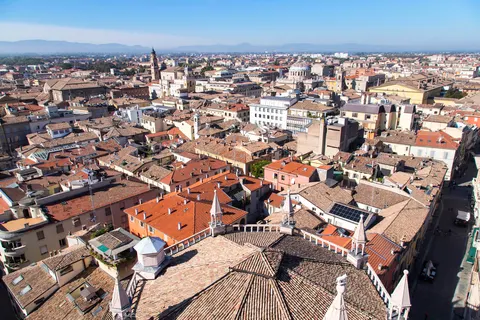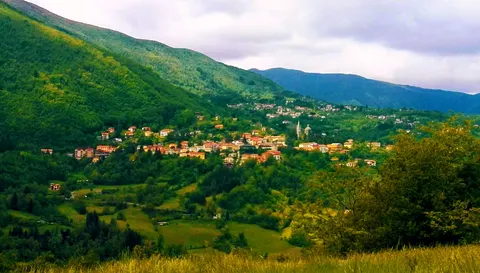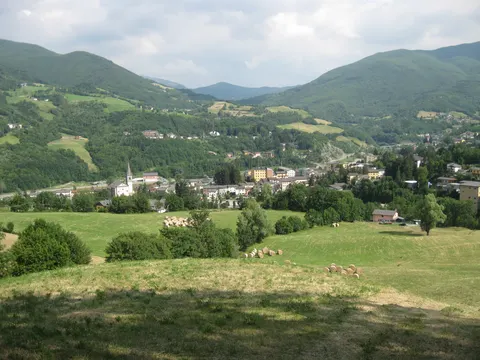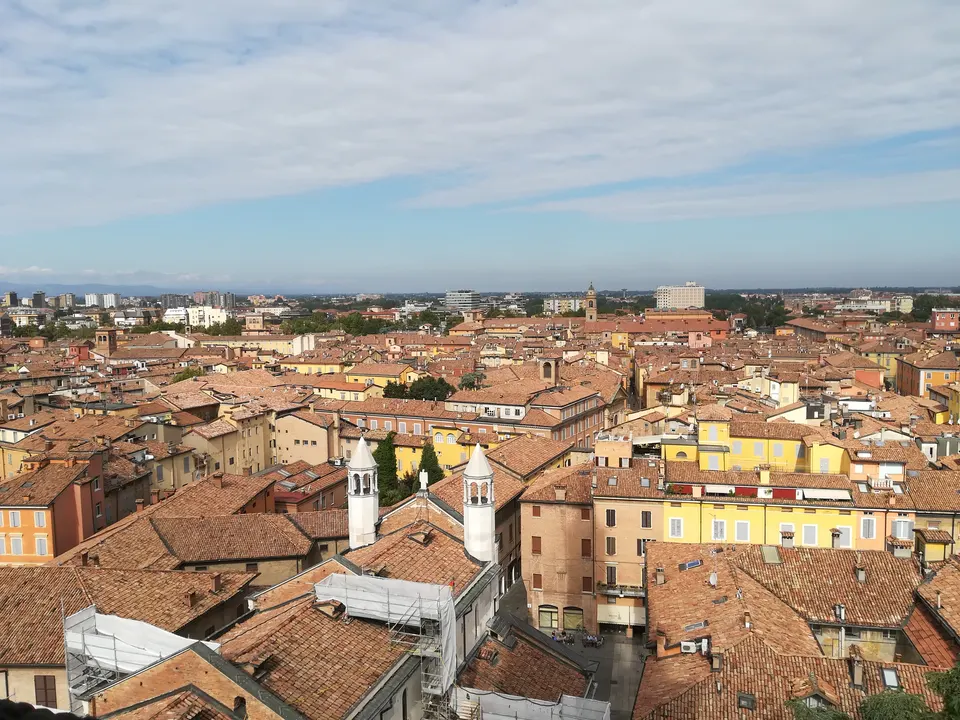

Modena is a city on the south side of the Po Valley in the Emilia-Romagna region of northern Italy. It is known for its car industry, and Ferrari, Maserati, Pagani, De Tomaso and Lamborghini have all been based in or near the city. Ferrari's production plant and its Formula One team are in nearby Maranello. Modena is also the seat of an archbishop, and its historic core reflects a long history as a centre of learning and government.
Modena, in Emilia-Romagna, Italy, is home to about 185,000 people and works as a rail hub.
Why go to Modena?
The historic core rewards time spent there. The Cathedral of Modena, the Torre della Ghirlandina and Piazza Grande have been a UNESCO World Heritage Site since 1997, and the cathedral's Romanesque metopes and roof decorations survive from its building site. The Museum of the Cathedral holds liturgical ornaments along with Roman, medieval and Renaissance stonework found around the building. Modena is also the home of balsamic vinegar, and the city has produced well-known names, including the tenor Luciano Pavarotti, whose home is now a museum, and the chef Massimo Bottura.
When is the best time to visit Modena?
In July the average high reaches 31 °C; in January it is closer to 7 °C. Any month suits city breaks.
How do I get to Modena without flying?
Modena has direct bus or train links to 7 destinations. Within 14 hours, travellers from 2,065 destinations can get here without flying. The bus from Siena with FlixBus-eu takes 2h 50m; that is about 4.1 kg of CO₂ per person, 88% less than the 35 kg of a flight. Bologna is 18 min away by train with Trenitalia, with about 1 kg of CO₂ per person. Travelling from Verona, allow 1h 20m by bus with FlixBus-eu; that is about 2.4 kg of CO₂ per person.
What to do in Modena
Cathedral of Modena
A Romanesque cathedral and part of the UNESCO-listed group with the tower and square.
Torre della Ghirlandina
The tower beside the cathedral, which forms part of the UNESCO-listed group.
Museum of the Cathedral
A collection of liturgical ornaments and reliefs, sculptures and inscriptions found around the cathedral.
San Cataldo Cemetery
A cemetery designed by the avant-garde Italian architect Aldo Rossi.