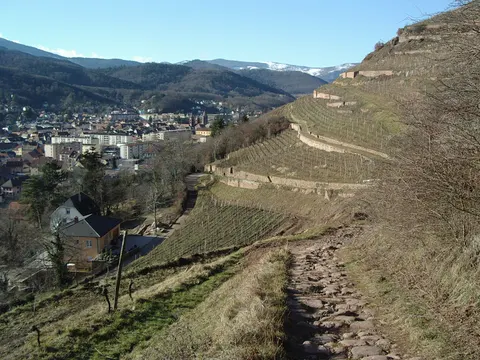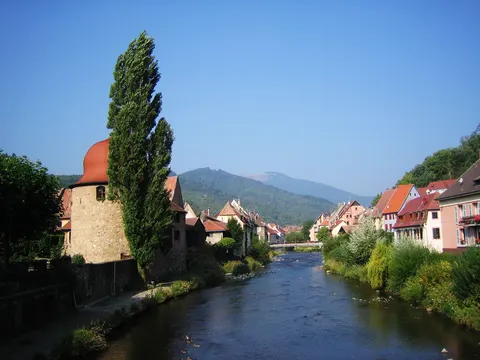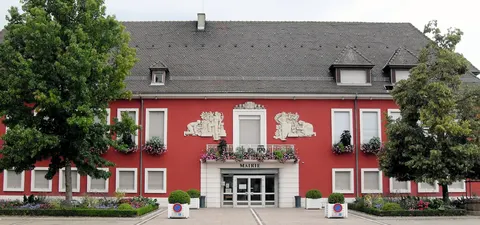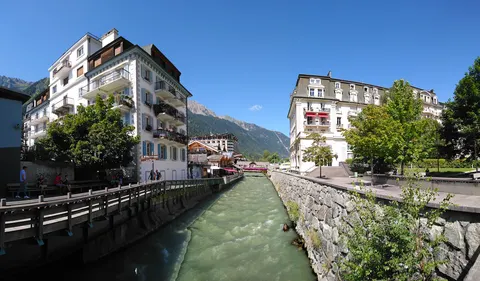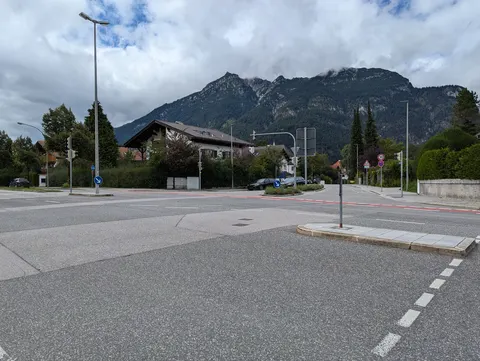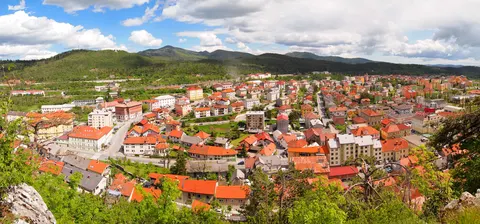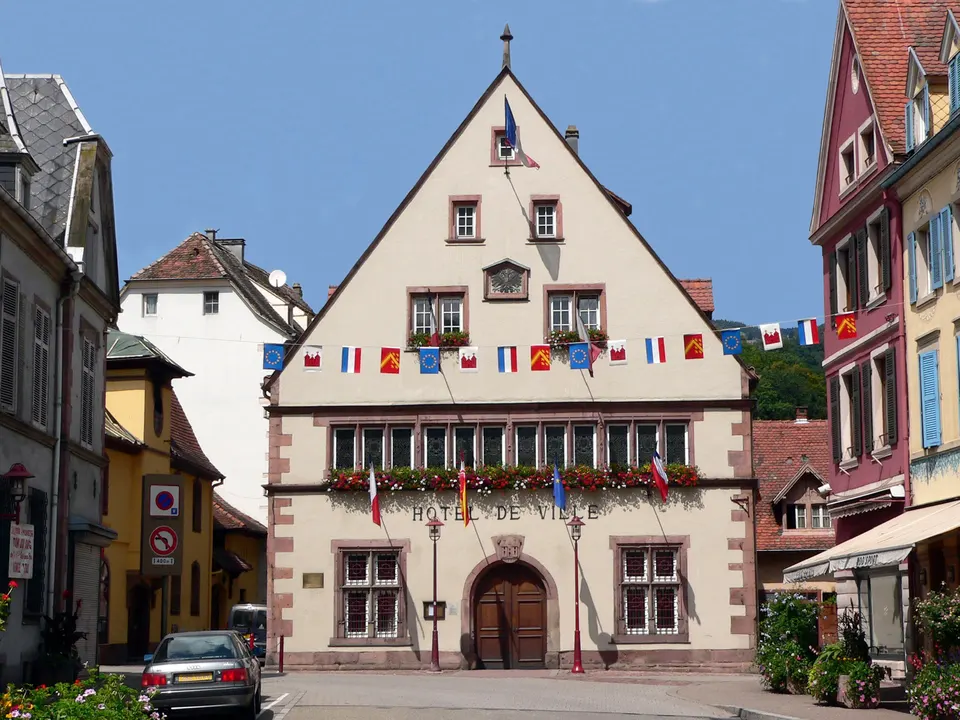

Munster lies in the valley of the Fecht river in the Vosges mountains, on a road that runs toward the Col de la Schlucht and on to Épinal. The town has the look of a mountain valley commune, with a church and a castle among its sights and the UNESCO war cemeteries listed for the place. The valley itself is the main reason to come, and the setting gives the trip its tone.
Munster, in Grand Est, France, is home to about 5,162 people and works as a rail hub.
Why go to Munster?
Munster suits a Nature & Hiking trip, and the Vosges valley gives it the setting. The Église protestante de Munster is the church to see, and the Schwarzenbourg Castle is the castle among its sights. Hohrod German war cemetery, Wettstein National Cemetery and Germania Military Cemetery are UNESCO entries listed for the place, a part of its history that many visitors come to read about. Colmar is a neighbouring town with a direct train link, and Wintzenheim is a train link too. Le Markstein is a bus link into the hills. The valley road climbs toward the Col de la Schlucht, so the drive is part of the day out.
When is the best time to visit Munster?
In July and August the average high reaches 23 °C; in January and December it is closer to 4 °C. Nature and hiking trips work best in May, June and September.
How do I get to Munster without flying?
Munster has direct bus or train links to 3 destinations. Within 14 hours, travellers from 2,375 destinations can get here without flying. The train from Colmar with SNCF VOYAGEURS takes 14 min; that is about 0 kg of CO₂ per person. Le Markstein is 48 min away by bus, with about 0.4 kg of CO₂ per person. Travelling from Wintzenheim, allow 9 min by train with SNCF VOYAGEURS; that is about 0 kg of CO₂ per person.
What to do in Munster
Schwarzenbourg Castle
The castle is one of the sights of the town, and it gives a Nature & Hiking day in the Vosges a historic stop above the valley road.
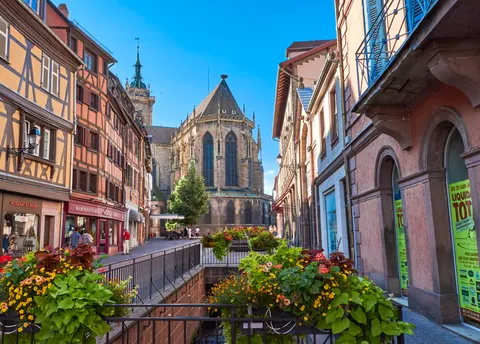
Église protestante de Munster
The church is among the sights, and it sits in the same valley as the castle and the war cemeteries that are listed for the place.
Hohrod German war cemetery
The cemetery is a UNESCO entry linked to the place, and it is a serious stop for anyone interested in the wars that shaped the region.
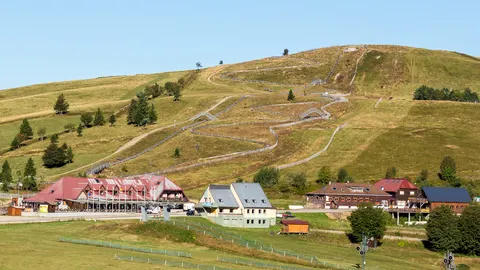
Le Markstein
Le Markstein is a neighbouring town with a bus link, and it gives a Nature & Hiking day a route up into the hills above the valley.
Vosges valley
The Fecht valley runs through the town, and the Vosges mountains give the Nature & Hiking side its setting for every day out.