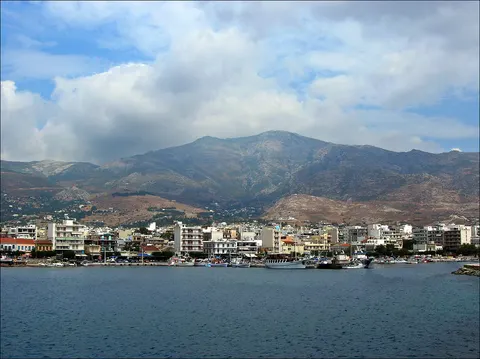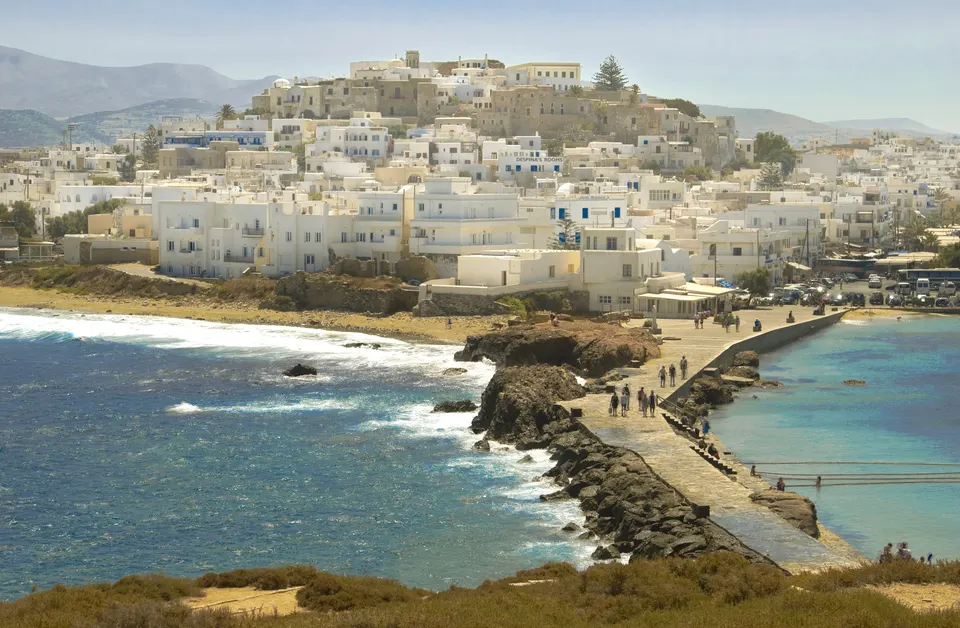

Naxos, also known as Chora, is the main town of Naxos island in the Cyclades, on the island's west side. It was an important centre of Bronze Age Cycladic culture and a major city in the ancient Greek Archaic period. The town is the seat of the municipality of Naxos and Lesser Cyclades, and remains of its long habitation are found across the island.
With about 7,070 inhabitants, Naxos lies in South Aegean, Greece.
Why go to Naxos?
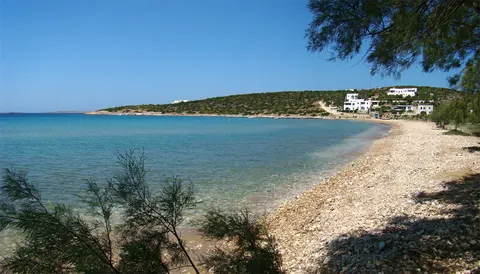
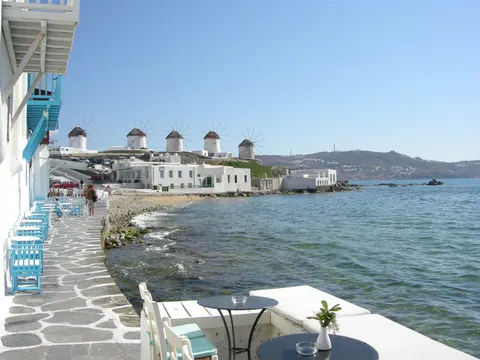
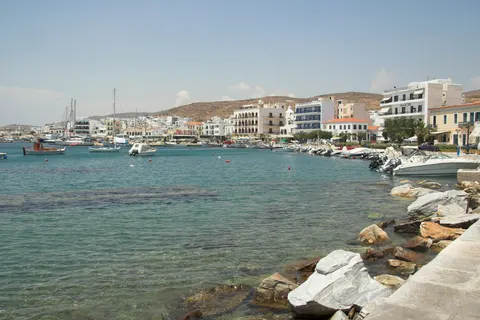
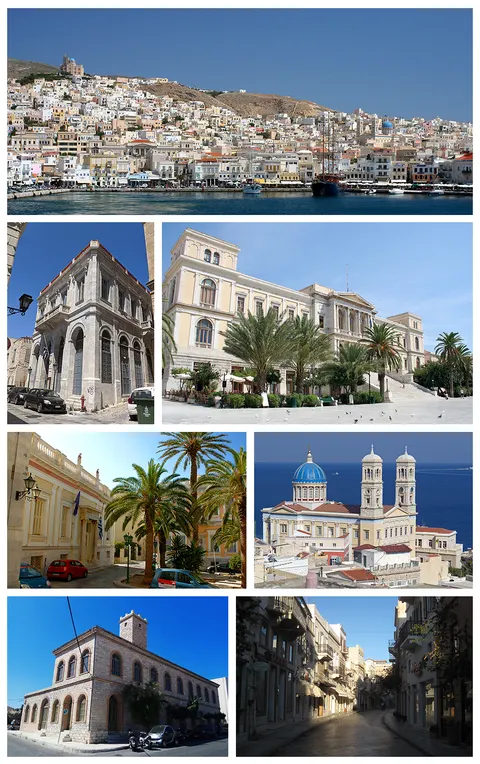
The town's most famous landmark is the Portara, the great marble gateway of an unfinished temple of Apollo that stands on the island's coast. The castle, known as the Kastro, holds the Glezos and Sanudo towers, the Trani Porta gate and the Catholic Cathedral. The promenade and the old market sit along the waterfront, and the beach of St George lies nearby. The Naxos Carnival is a three-day event with parades in costume and torches. Beneath the square in front of the Orthodox cathedral, an underground in-situ museum shows remains of the ancient city.
When is the best time to visit Naxos?
Average highs range from 13 °C in February to 25 °C in August. July, August and September are the time for beach holidays. For city breaks, any month of the year works.
How do I get to Naxos without flying?
Direct ferry services link Naxos with 4 destinations. Allowing for changes, 76 destinations are no more than 14 hours away without flying. Athens is 4h 00m away by ferry with Blue Star / SeaJets, with about 12 kg of CO₂ per person against 40 kg for the flight, 70% less. The ferry from Mykonos with Seajets takes 1h 30m; that is about 0.7 kg of CO₂ per person. From Santorini, it takes 2h 00m by ferry with Blue Star, with about 8 kg of CO₂ per person.
What to do in Naxos
Archaeological Museum of Naxos
A museum in Naxos.
Kastro
A castle in Naxos.
Beach holidays in Naxos
August is the ideal month for beach holidays, with average highs of 25 °C.
City breaks in Naxos
May is the ideal month for city breaks, with average highs of 19 °C.