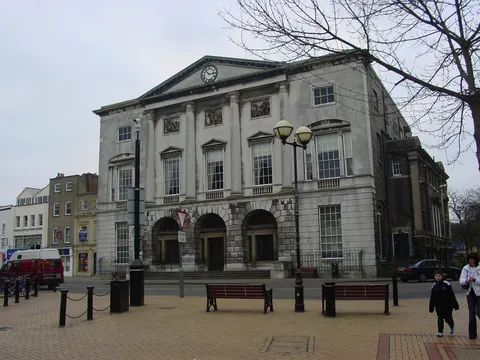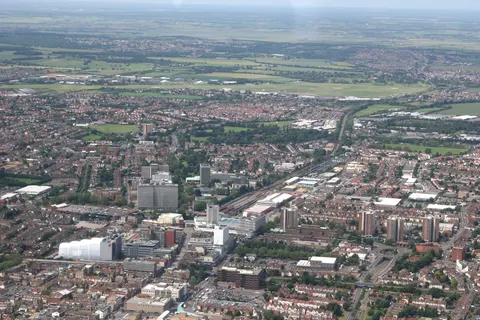

Norwich is a cathedral city and the county town of Norfolk, in eastern England, on the River Wensum. It is the largest settlement in East Anglia and the seat of the Diocese of Norwich. For much of the second millennium it was one of England's most prosperous towns, second only to London.
Norwich, in England, United Kingdom, is home to about 143,000 people and works as a rail hub.
Why go to Norwich?
Norwich has a long literary and artistic record. It was the site of England's first provincial library, and the Norwich School of painters was the first provincial art movement in the country. Julian of Norwich's Revelations of Divine Love was the first book written in English by a woman. The city is a UNESCO City of Literature, with a regional publishing trade. The cathedral, the castle and the cobbled streets of the old city are the main sights, and the market is one of the largest outdoor markets in England.
When is the best time to visit Norwich?
In July and August the average high reaches 20 °C; in January, February and December it is closer to 7 °C. Any month suits city breaks.
How do I get to Norwich without flying?
Norwich has direct bus or train links to 4 destinations. Within 14 hours, travellers from 1,687 destinations can get here without flying. The train from London with Greater Anglia takes 1h 48m; that is about 2 kg of CO₂ per person, 94% less than the 36 kg of a flight. Cambridge is 1h 30m away by bus with FlixBus-eu, with about 2.5 kg of CO₂ per person. Travelling from Ipswich, allow 1h 15m by bus with FlixBus-gb; that is about 1.7 kg of CO₂ per person.
What to do in Norwich
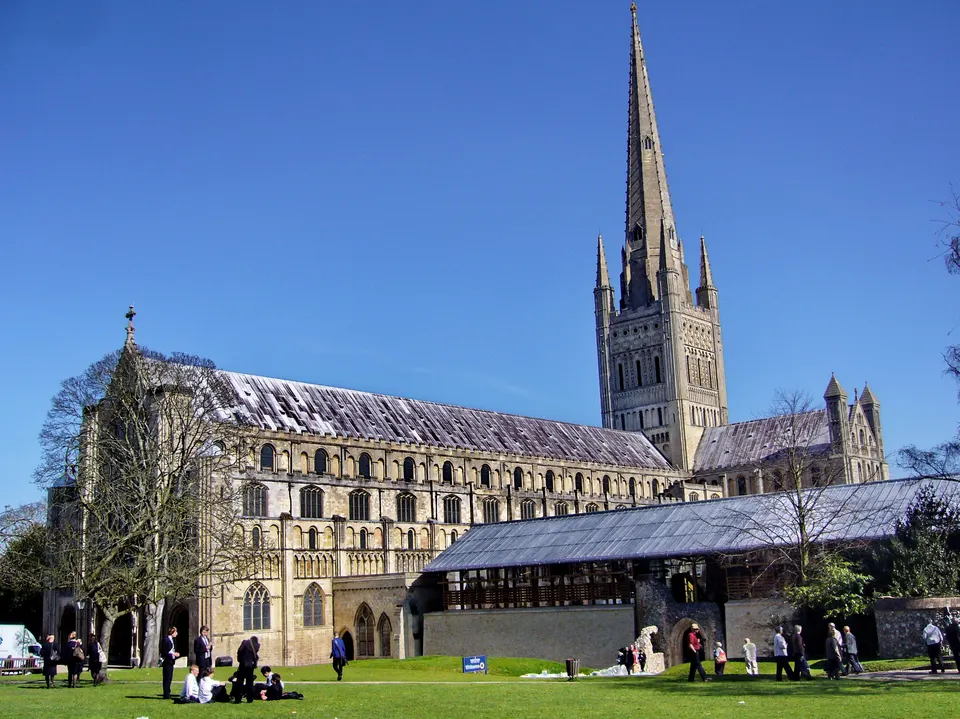
Norwich Cathedral
The 11th-century cathedral, seat of the diocese, at the heart of the old city.
Norwich Castle
A 12th-century castle that now holds a museum of Norfolk's archaeology, art and the largest collection of British teapots.
Dragon Hall
A medieval merchants' trading hall on King Street, unique in Western Europe.
The Forum
A library building designed by Michael Hopkins and Partners, which also houses the regional BBC East headquarters.
Strangers' Hall
A merchant's house, one of the city's oldest buildings, with rooms furnished from the Early Tudor to the Late Victorian.