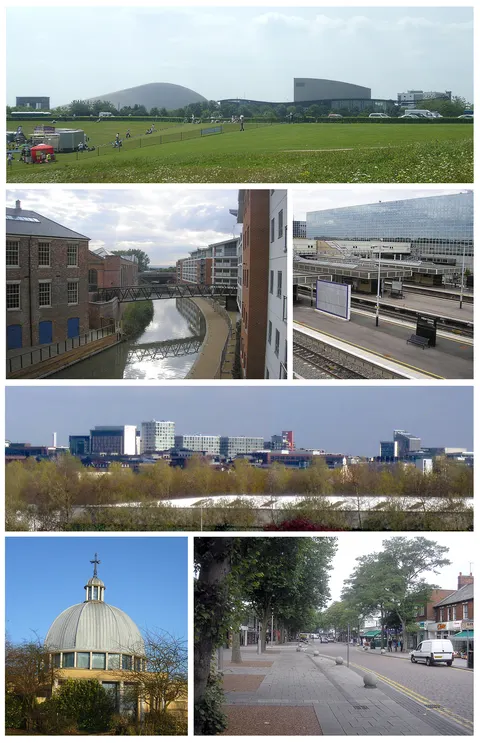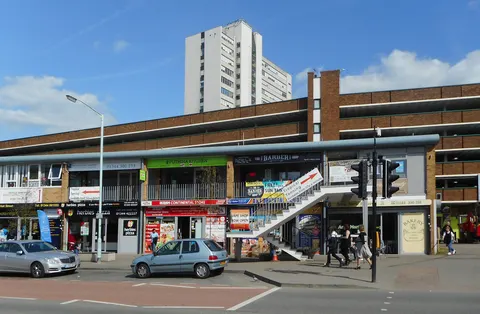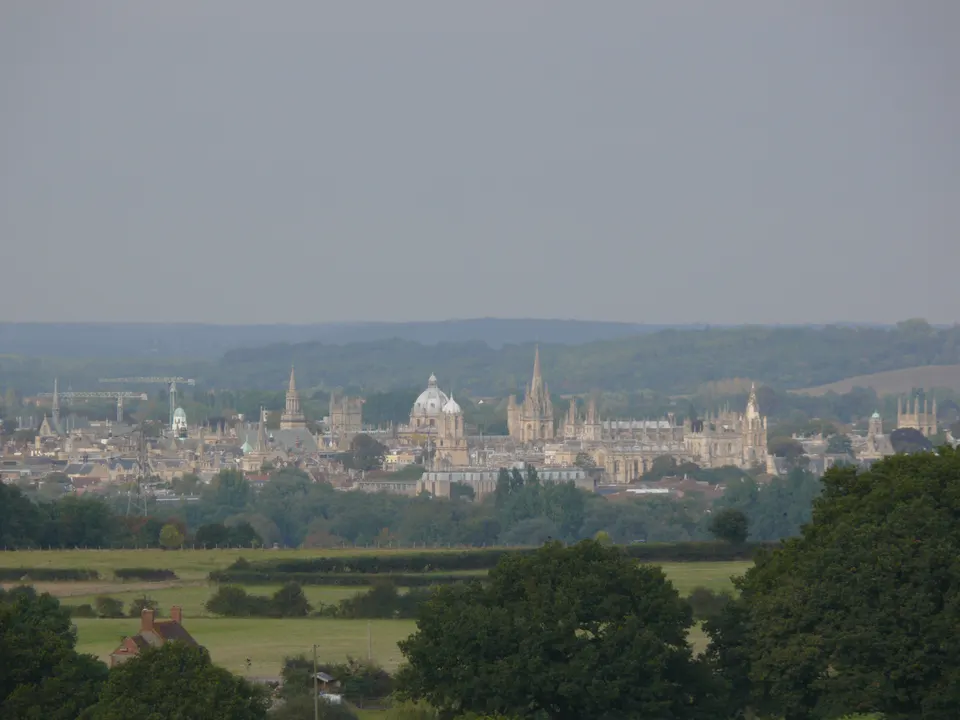

Oxford is a cathedral city and the county town of Oxfordshire in England, where the Thames, known locally as the Isis, meets the Cherwell. It is home to the University of Oxford, the oldest university in the English-speaking world, and its buildings range across every style of English architecture since late Anglo-Saxon times. Industries include motor manufacturing, publishing and information technology alongside education and science.
Oxford, in England, United Kingdom, is home to about 162,000 people and works as a rail hub.
Why go to Oxford?
The university's colleges and buildings are the main draw, and most of the city's museums are free to enter. The Ashmolean Museum, the world's first university museum, holds collections of art and archaeology, including works by Turner and Picasso. Carfax Tower and the University Church of St Mary the Virgin both offer views over the city's spires. In summer, visitors go punting on the Isis and the Cherwell, and the historic Covered Market has long drawn shoppers. The Museum of the History of Science occupies the oldest-surviving purpose-built museum building in the world.
When is the best time to visit Oxford?
In July and August the average high reaches 21 °C; in January, February and December it is closer to 7 °C. Any month suits city breaks.
How do I get to Oxford without flying?
Oxford has direct bus or train links to 3 destinations. Within 14 hours, travellers from 1,810 destinations can get here without flying. The train from London with GWR takes 1h 00m; that is about 1 kg of CO₂ per person. Birmingham is 1h 30m away by bus with FlixBus-eu, with about 2.5 kg of CO₂ per person. Travelling from Reading, allow 42 min by train with Great Western Railway; that is about 0.4 kg of CO₂ per person.
What to do in Oxford
Ashmolean Museum
The oldest museum in the UK and the world's first university museum, with major collections of art and archaeology, including the Alfred Jewel.
University Museum of Natural History
A neo-Gothic building on Parks Road holding the university's zoological, entomological and geological specimens, including a Tyrannosaurus rex skeleton and the most complete dodo remains anywhere.
Find tours and tickets: University Museum of Natural History
Carfax Tower
A tower in the town centre with views over the spires of the city.
Museum of the History of Science
Housed on Broad Street with 15,000 artefacts covering almost every aspect of the history of science.