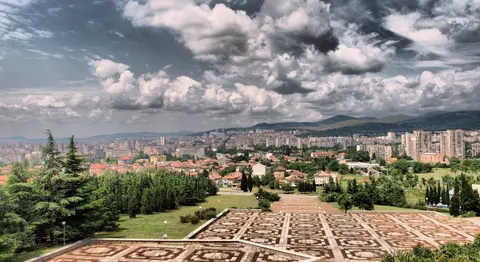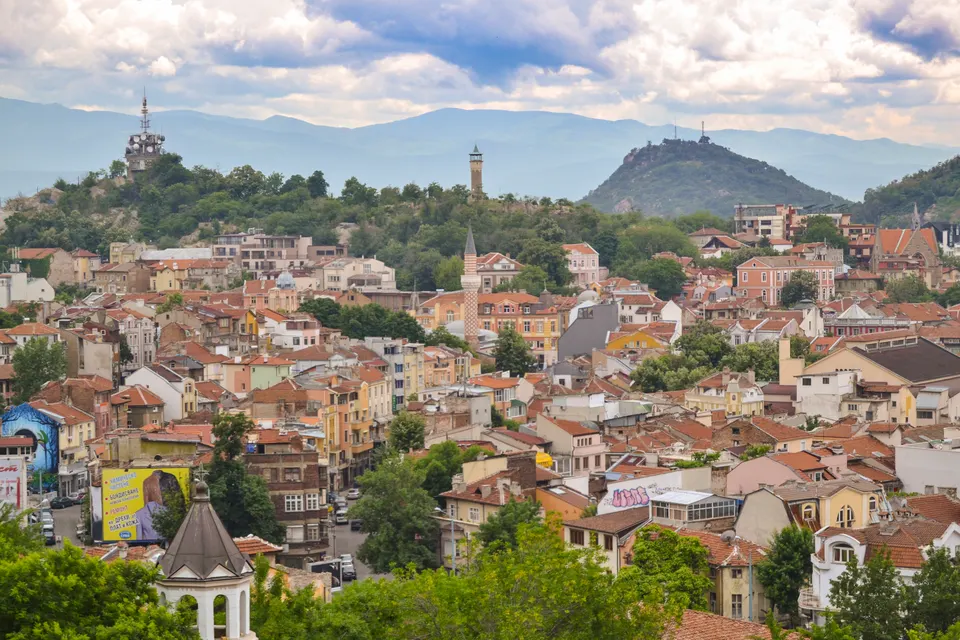

Plovdiv is the second-largest city in Bulgaria and the largest in the Bulgarian part of the historic region of Thrace, southeast of Sofia. It stands on the two banks of the Maritsa river and is built across several syenite hills, which is why it is called the City of the Seven Hills. It was the European Capital of Culture in 2019.
Plovdiv, in Bulgaria, is home to about 329,000 people and works as a rail hub.
Why go to Plovdiv?
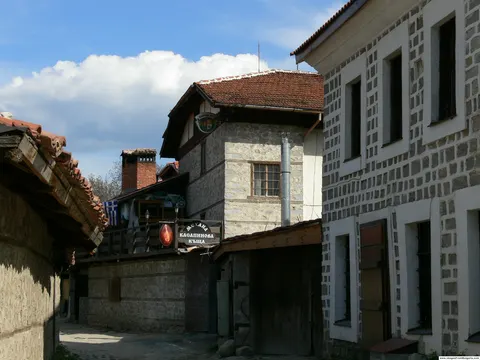
Plovdiv is a city of many layers. It has a large number of archaeological sites, and it is one of the few cities with two ancient theatres. Its Old Town is a well-preserved quarter from the National Revival period, with beautiful houses, churches and narrow paved streets. Ottoman baths and mosques survive alongside Roman ruins, including a Roman odeon and a stadium. The city's cultural life is busy, with the International Fair Plovdiv and the theatre festival A Stage on a Crossroad held each year.
When is the best time to visit Plovdiv?
In July and August the average high reaches 29 °C; in January it is closer to 6 °C. Any month suits city breaks.
How do I get to Plovdiv without flying?
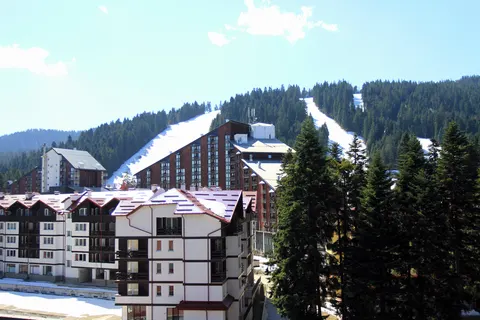
Plovdiv has direct bus or train links to 5 destinations. Within 14 hours, travellers from 210 destinations can get here without flying. The bus from Sofia with FlixBus-eu takes 1h 49m; that is about 3.6 kg of CO₂ per person. Stara Zagora is 1h 48m away by train with BDZ, with about 0.8 kg of CO₂ per person. Travelling from Pamporovo, allow 2h 30m by bus; that is about 1.5 kg of CO₂ per person.
What to do in Plovdiv
Ancient Roman theatre
One of the two ancient theatres in Plovdiv, and one of the Roman remains that the city is known for.
Plovdiv Roman Stadium
A preserved stadium from the city's Roman period, one of the ancient ruins in the city.
Old Town
A National Revival quarter with beautiful houses, churches and narrow paved streets. It was fully restored in the 1970s and 1980s.
Eirene archaeological complex
An archaeological complex in the city, listed among its many remains from antiquity.