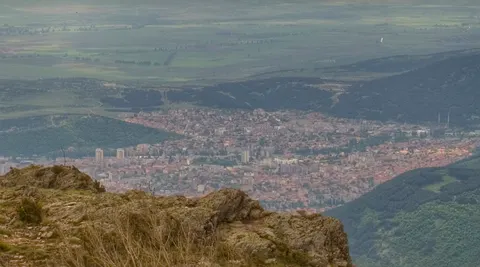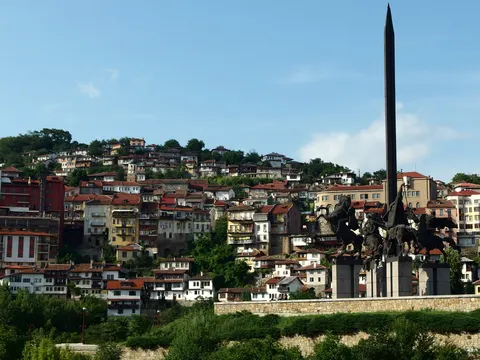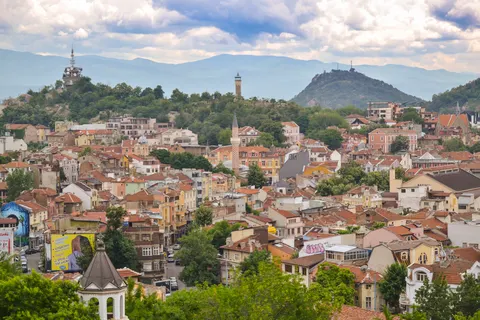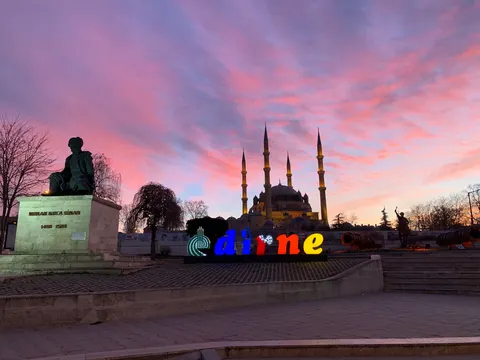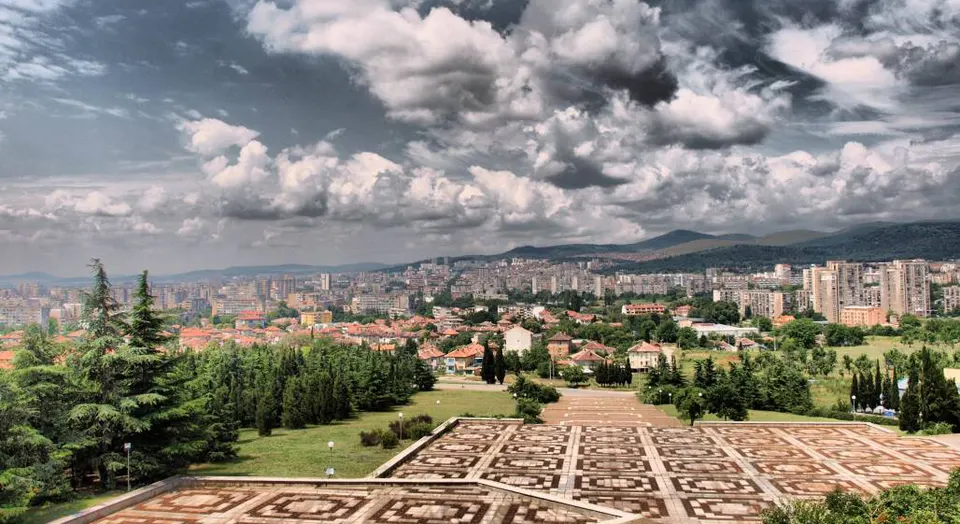

Stara Zagora is a city in central Bulgaria, the administrative capital of its province and the country's fifth-largest city. It lies on the Upper Thracian Plain near Kazanlak, Plovdiv and Sliven, close to the Maritsa Iztok energy complex, where many of its residents work. The site has been settled since prehistory and has carried several names over its long history, including Beroe and Augusta Traiana.
Stara Zagora is in Bulgaria and has a population of about 122,000; it is also a rail hub.
Why go to Stara Zagora?
Many monuments of the Roman city have been excavated and remain visible in place. The city walls, the Antique Forum, Roman streets and buildings, and the Roman Baths are among them. Mosaics of Silenus with Bacchantes and of Dionysus's Procession survive from a 4th-century house, and a monumental auditorium shaped like a theatre overlooks the forum. Neolithic dwellings from the mid-6th millennium BC were found here and turned into a museum, the best preserved collection of its kind in Europe. The Opera House, a more recent addition, adds a modern note.
When is the best time to visit Stara Zagora?
July and August are the warmest, with highs of about 28 °C, and January is the coolest, at about 5 °C. Any month suits city breaks.
How do I get to Stara Zagora without flying?
From 8 destinations you can travel to Stara Zagora directly by bus or train. Counting connections, 194 destinations can reach it within 14 hours without flying. Travelling from Veliko Tŭrnovo, allow 2h 48m by bus; that is about 2 kg of CO₂ per person. From Plovdiv, it takes 1h 48m by train with BDZ, with about 0.8 kg of CO₂ per person. The bus from Sliven takes 1h 30m; that is about 1.7 kg of CO₂ per person.
What to do in Stara Zagora
Antique Forum
The Roman forum, overlooked by an unusual monumental auditorium in the shape of a theatre.
Roman Baths
One of the Roman monuments of the city that have been excavated and remain visible in place.
Neolithic Dwellings Museum
Neolithic dwellings from the mid-6th millennium BC, turned into a museum and the richest collection of their kind in Europe.
Regional Historical Museum
A museum of the history of the region, based in the city.