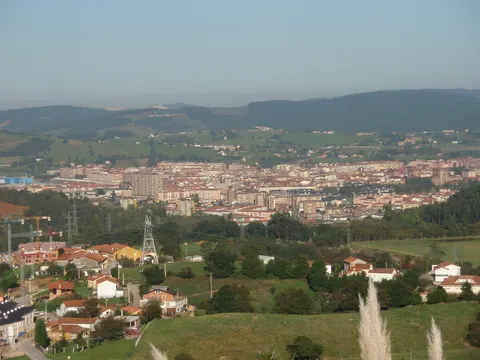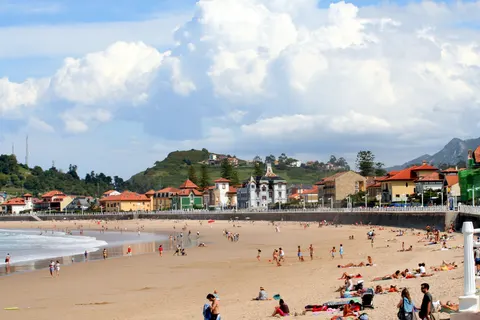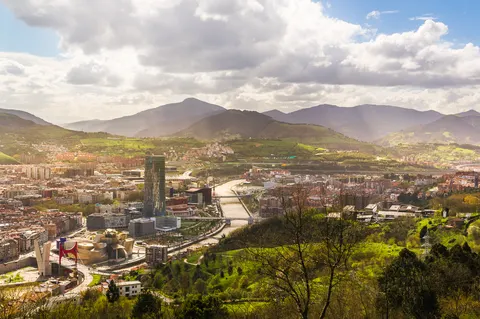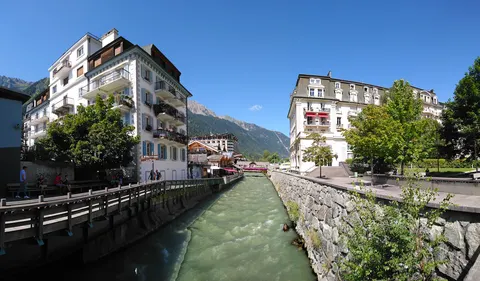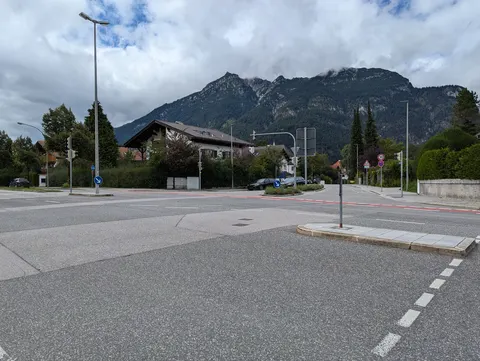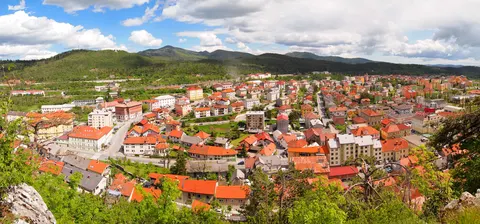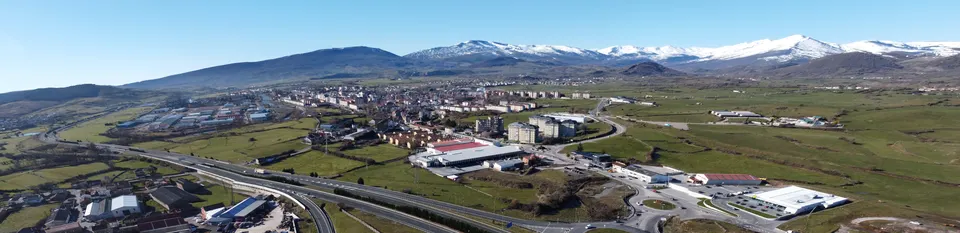

Reinosa is a municipality in Cantabria, in northern Spain, close to the headwaters of the Ebro River. It is one of only three urban centres in Cantabria with city status, which King Alfonso XIII granted in 1927, and the town sits on the main railway line near the A67 motorway. The municipality is surrounded by Campoo de Enmedio and is one of the smallest in Cantabria by area.
About 10,000 people live in Reinosa, in Cantabria, Spain.
Why go to Reinosa?
Reinosa grew on a route north to the port of Santander, and its past shows in its convent and bridges. Charles V, Holy Roman Emperor, fell ill while passing through the town and stayed at the Convento de San Francisco to recover. In the eighteenth century a new highway and a bridge over the River Ebro boosted the local economy. The source of the Ebro lies a few kilometres away at the village of Fontibre, and the Embalse del Ebro, a large reservoir created below the town during the Franco era, is one of the largest in northern Spain.
When is the best time to visit Reinosa?
Expect daytime highs of about 22 °C in July and August, falling to 7 °C in January. If you are after nature and hiking trips, aim for May, June and September.
How do I get to Reinosa without flying?
You can get to Reinosa without changing from 2 destinations, by train. With changes, Reinosa is within 14 hours of 784 destinations without flying. From Palencia, it takes 1h 14m by train with RENFE OPERADORA, with about 1.1 kg of CO₂ per person. Travelling from Torrelavega, allow 47 min by train with RENFE OPERADORA; that is about 0.4 kg of CO₂ per person.
What to do in Reinosa
Church of San Sebastián
A church in Reinosa.
La Casona
A monument in Reinosa.
Nature and hiking trips in Reinosa
June is the ideal month for nature and hiking trips, with average highs of 19 °C.