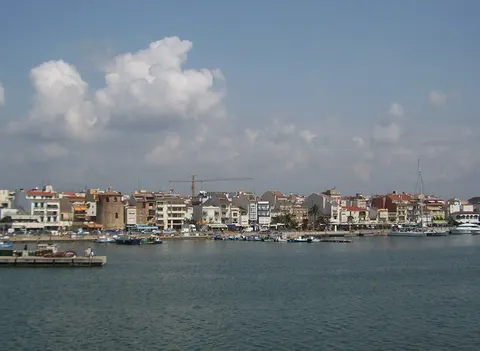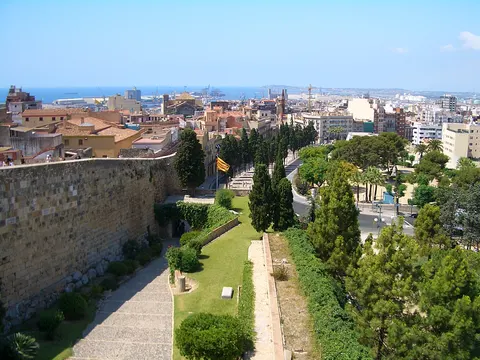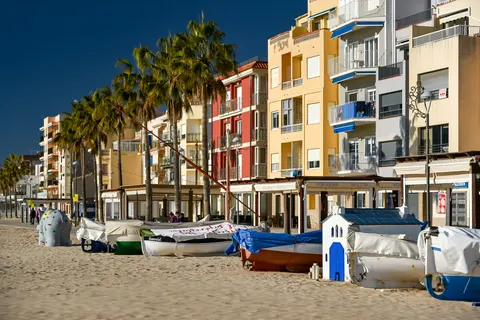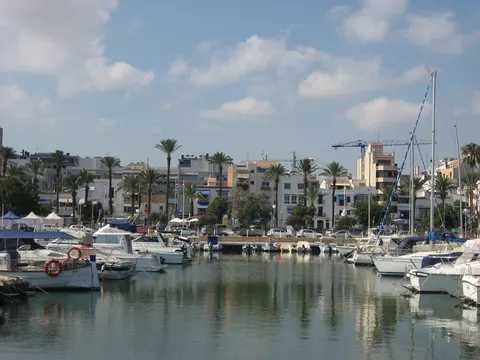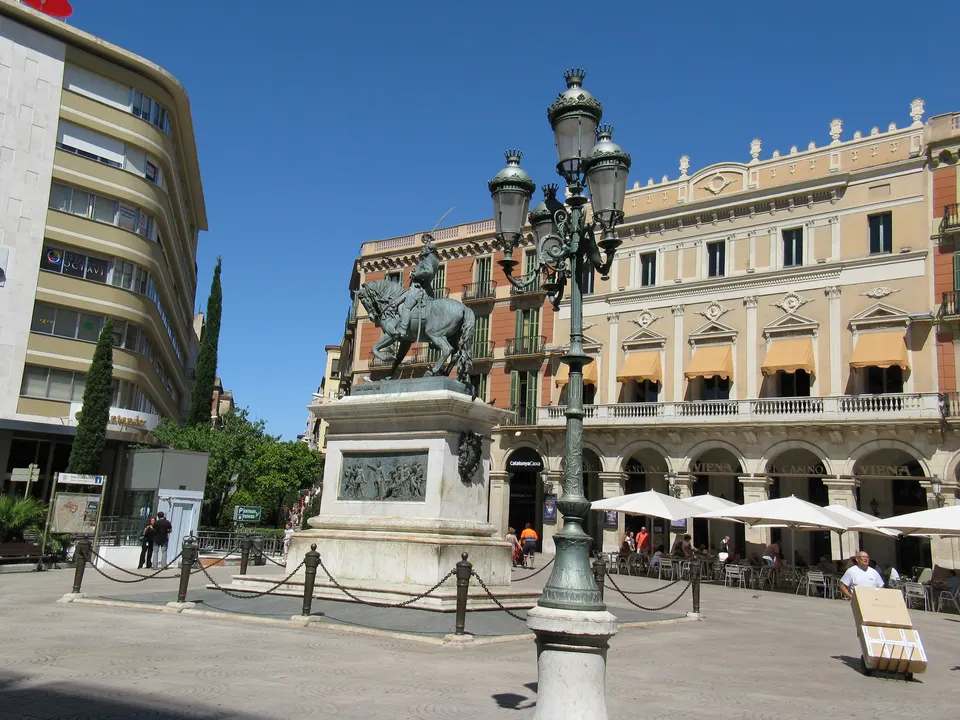

Reus is the capital of the Baix Camp comarca in the Camp de Tarragona area of Catalonia, Spain. It gained significance during the Phylloxera plague and is known for its wines and spirits, its commercial activity and as a centre for rock climbing. It is also the birthplace of the architect Antoni Gaudí. The town sits close to the resort of Salou on the Costa Daurada, and it is served by Reus Airport, which has started to receive low-cost flights.
About 103,000 people live in Reus, in Catalonia, Spain, and its station is a rail hub.
Why go to Reus?
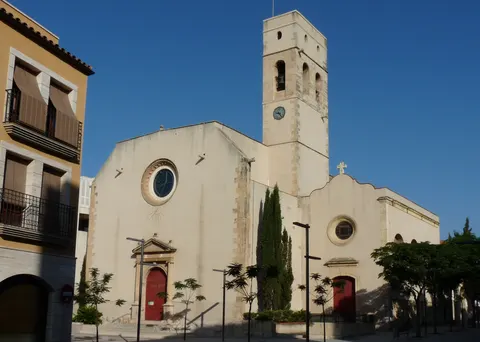
Reus is a Catalan town with a working commercial life and a strong sense of its own history. Its landmarks include the Castell del Cambrer, the Campanar de Reus bell tower, the Town Hall and the Palau Bofarull. The Centre de Lectura and the Museu Salvador Vila-seca add cultural depth, and the Teatre Fortuny is one of the town's theatres. The Gaudí Centre celebrates the architect who was born here. For those heading to the coast, PortAventura World, one of Europe's biggest theme resorts, lies close by, and tour companies and buses run services to Reus from Salou, La Pineda and Cambrils.
When is the best time to visit Reus?
Expect daytime highs of about 29 °C in July, falling to 12 °C in January and December. For city breaks, any month of the year works.
How do I get to Reus without flying?
You can get to Reus without changing from 3 destinations, by train. With changes, Reus is within 14 hours of 1,355 destinations without flying. From Tarragona, it takes 18 min by train with Renfe/Rodalies, with about 1 kg of CO₂ per person. Travelling from Lleida, allow 1h 22m by train with RENFE OPERADORA; that is about 0.6 kg of CO₂ per person. Vila-seca is 9 min away by train with RENFE OPERADORA, with about 0.1 kg of CO₂ per person.
What to do in Reus
Gaudí Centre
A centre celebrating Antoni Gaudí, who was born in Reus.
Campanar de Reus
The town's bell tower.
Teatre Fortuny
A theatre in the town.
Palau Bofarull
A palace in the town, listed among its main sights.