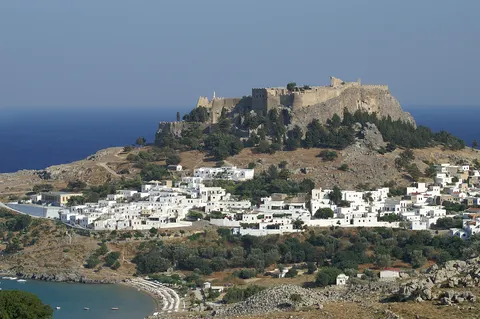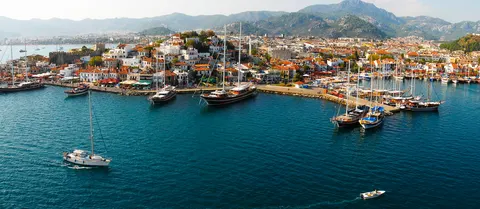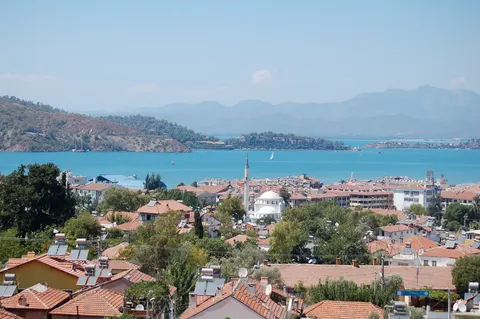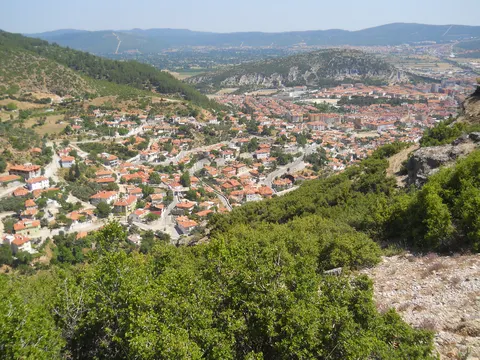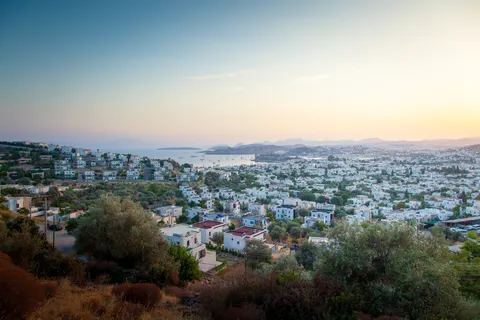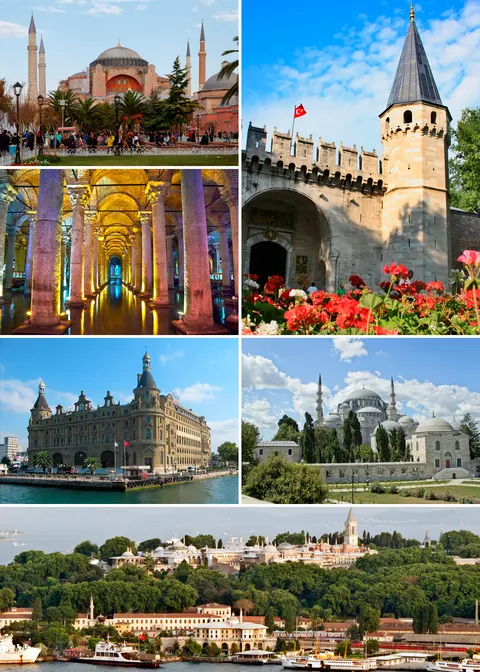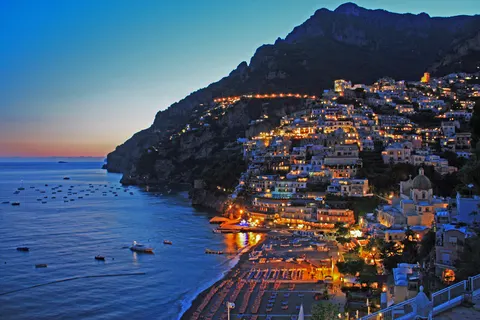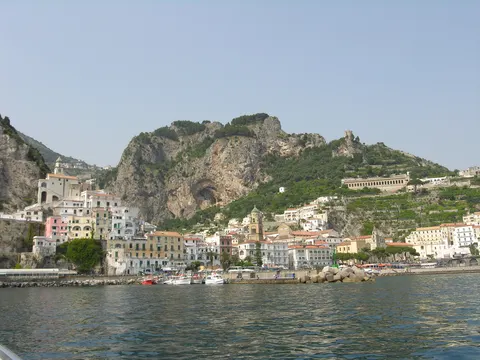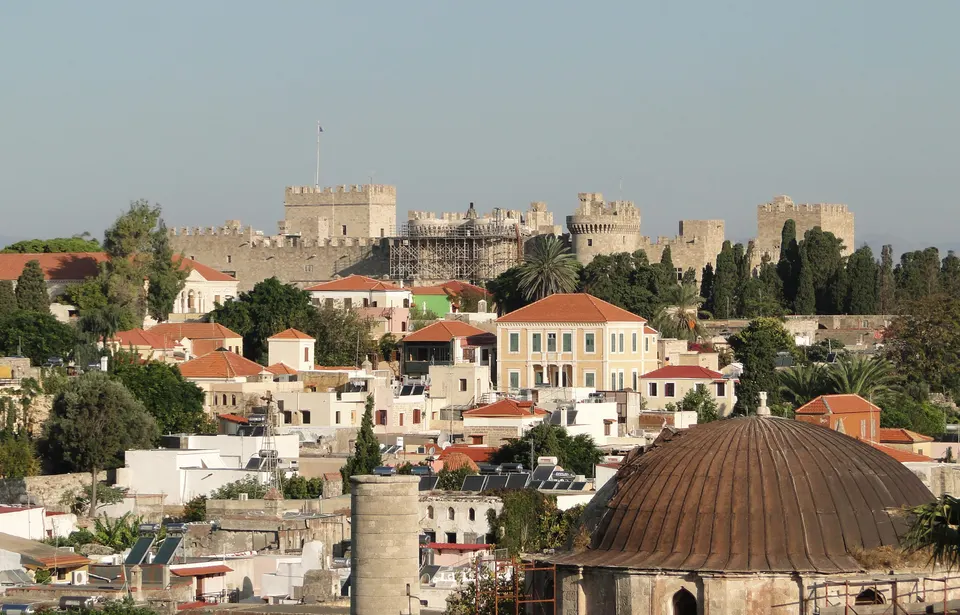

Rhodes is the principal city of the island of Rhodes in the Dodecanese, Greece, and the seat of its municipality. It has a population of about 56,000, and close to 90,000 in its metropolitan area. The city is known for its medieval citadel, built by the Knights Hospitallers, which is one of the best-preserved medieval towns in Europe.
About 56,000 people live in Rhodes, in South Aegean, Greece, and its station is a rail hub.
Why go to Rhodes?
Rhodes is known for its medieval old town, built by the Hospitallers and listed by UNESCO as a World Heritage Site. Inside it, the Grand Master's Palace dates from the 15th century, and the Gothic buildings of the historic upper town line the streets. The city also has much older layers. It is famous since antiquity as the site of the Colossus of Rhodes, one of the Seven Wonders of the Ancient World, and the Acropolis of Rhodes stands on the island's ancient ground. The Byzantine harbour has recently been excavated, uncovering unique medieval shipwrecks.
When is the best time to visit Rhodes?
Expect daytime highs of about 27 °C in August, falling to 14 °C in February. If you are after beach holidays, aim for July, August and September. For city breaks, any month of the year works.
How do I get to Rhodes without flying?
You can get to Rhodes without changing from 8 destinations, by bus or ferry. With changes, Rhodes is within 14 hours of 10 destinations without flying. From Athens, it takes 13h 00m by ferry with Blue Star, with about 20 kg of CO₂ per person against 99 kg for the flight, 80% less. Travelling from Líndos, allow 48 min by bus; that is about 1.1 kg of CO₂ per person. Faliraki is 24 min away by bus, with about 0.3 kg of CO₂ per person.
What to do in Rhodes
Grand Master's Palace
A 15th-century palace in the medieval town, from the period of the Hospitallers.
Kahal Shalom Synagogue
A synagogue in La Juderia, the historic Jewish quarter of the medieval town.
Acropolis of Rhodes
The ancient acropolis of the city, from the island's antiquity.
Rodini Park
A park holding the tomb of Ptolemy I Soter, restored during the Italian rule of the island.